Understanding Car Accident Claims in Anchorage, Alaska
Car accidents in Anchorage, Alaska can cause serious injuries and financial stress. Learn how car accident claims work and protect your rights after a crash.
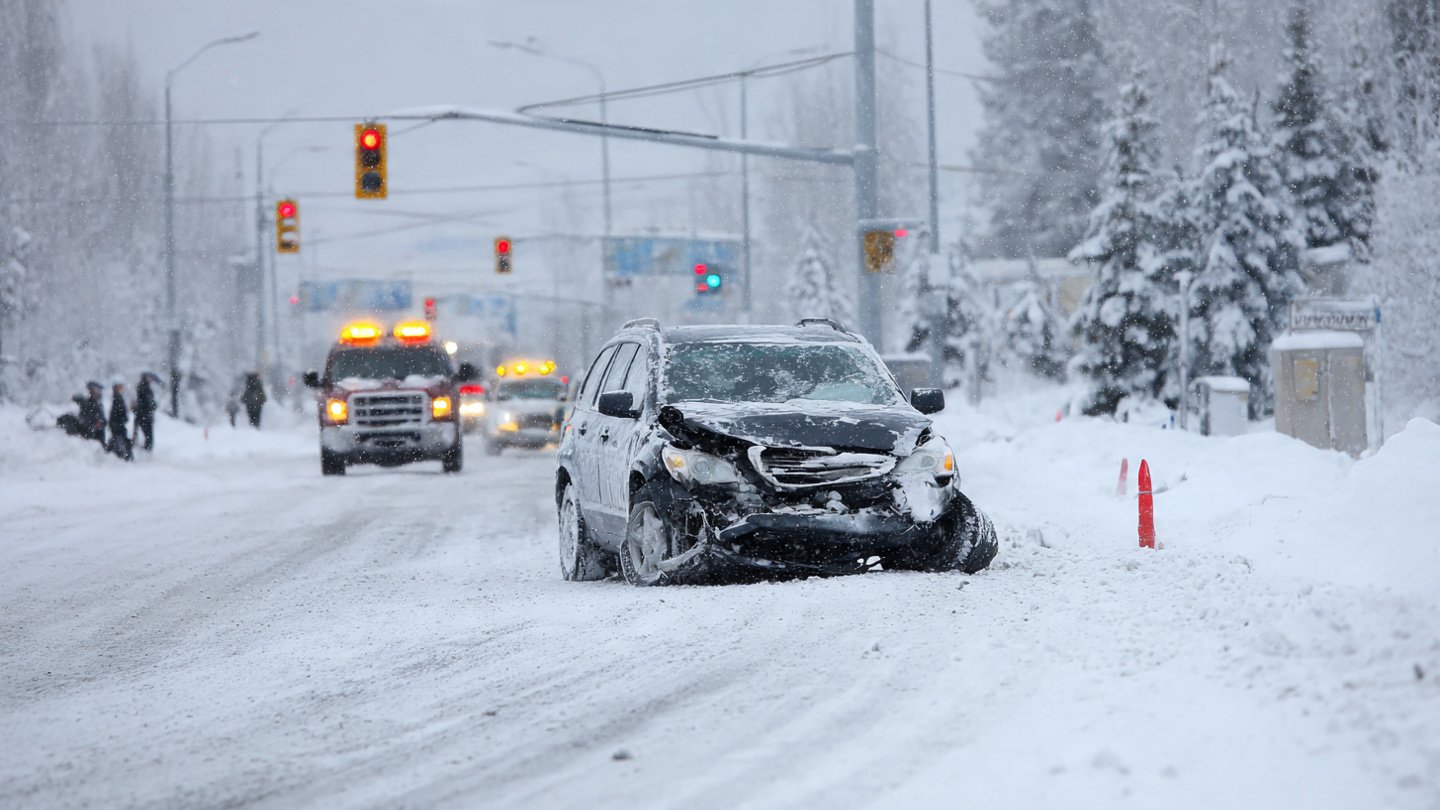
Car accidents remain one of the most common causes of serious injury in Alaska, particularly in Anchorage, where traffic volume, weather conditions, and seasonal driving hazards increase the likelihood of collisions. When a crash occurs, injured drivers and passengers often face medical bills, time away from work, and uncertainty about how insurance claims are handled under Alaska law. Understanding how car accident claims work and what steps to take after a crash can help protect both physical recovery and financial stability.
Common Causes of Car Accidents in Anchorage
Many collisions in Anchorage stem from a combination of environmental and human factors. Ice-covered roads, reduced visibility during winter months, and wildlife crossings all contribute to accident risk. In addition, common driving behaviors such as speeding, distracted driving, and failure to yield frequently play a role in crashes throughout the city.
Rear-end collisions, intersection accidents, and highway crashes are especially common in higher-traffic areas. Regardless of how an accident happens, determining fault is a key part of any injury claim.
What to Do After a Car Accident
After a collision, safety should always come first. Seeking medical attention, even for injuries that seem minor, is important because symptoms may not appear immediately. Reporting the accident to law enforcement and documenting the scene can also be helpful later in the claims process.
Photos of vehicle damage, road conditions, and injuries, along with contact information for witnesses, may support an insurance claim. Drivers should notify their insurance company promptly but avoid making detailed statements before fully understanding their rights.
How Fault Is Determined in Alaska
Alaska follows a pure comparative fault system. This means an injured person can still recover compensation even if they are partially responsible for the accident, though the total recovery may be reduced by their percentage of fault.
Insurance companies often conduct their own investigations to assign blame. This can include reviewing police reports, vehicle damage, witness statements, and traffic laws. Since fault directly affects compensation, disputes frequently arise during this stage of the claim.
Compensation Available After a Crash
Injury claims may include compensation for medical expenses, rehabilitation costs, lost wages, and reduced earning capacity. Non-economic damages such as pain and suffering or loss of enjoyment of life may also be considered, depending on the severity of the injuries.
Insurance coverage limits, policy exclusions, and disputed liability can all impact how much compensation is ultimately available. For more complex cases involving serious injuries or multiple parties, the claims process can become especially challenging.


Why Legal Guidance Can Matter
Navigating insurance claims after a serious crash can be difficult, particularly when injuries affect long-term health or employment. Many injured individuals choose to consult an experienced Anchorage car accident lawyer to help evaluate liability, negotiate with insurers, and pursue appropriate compensation.
Law firms such as Strong Law Accident & Injury Attorneys focus on representing people injured in vehicle collisions and other serious accidents, helping clients understand their options under Alaska law.
Moving Forward After an Accident
Recovering from a car accident often involves more than repairing a vehicle. Medical treatment, insurance negotiations, and legal considerations can quickly become overwhelming. Taking informed steps early and understanding how the claims process works can make a meaningful difference in the outcome of a case. While every accident is different, having accurate information and professional guidance can help injured individuals focus on recovery while their claim is handled appropriately.