How Expert Witnesses Can Help Prove Medical Malpractice
Atlanta medical malpractice lawyers review medical records, assess expert testimony, and help families understand potential claims involving serious injuries, errors, or loss.
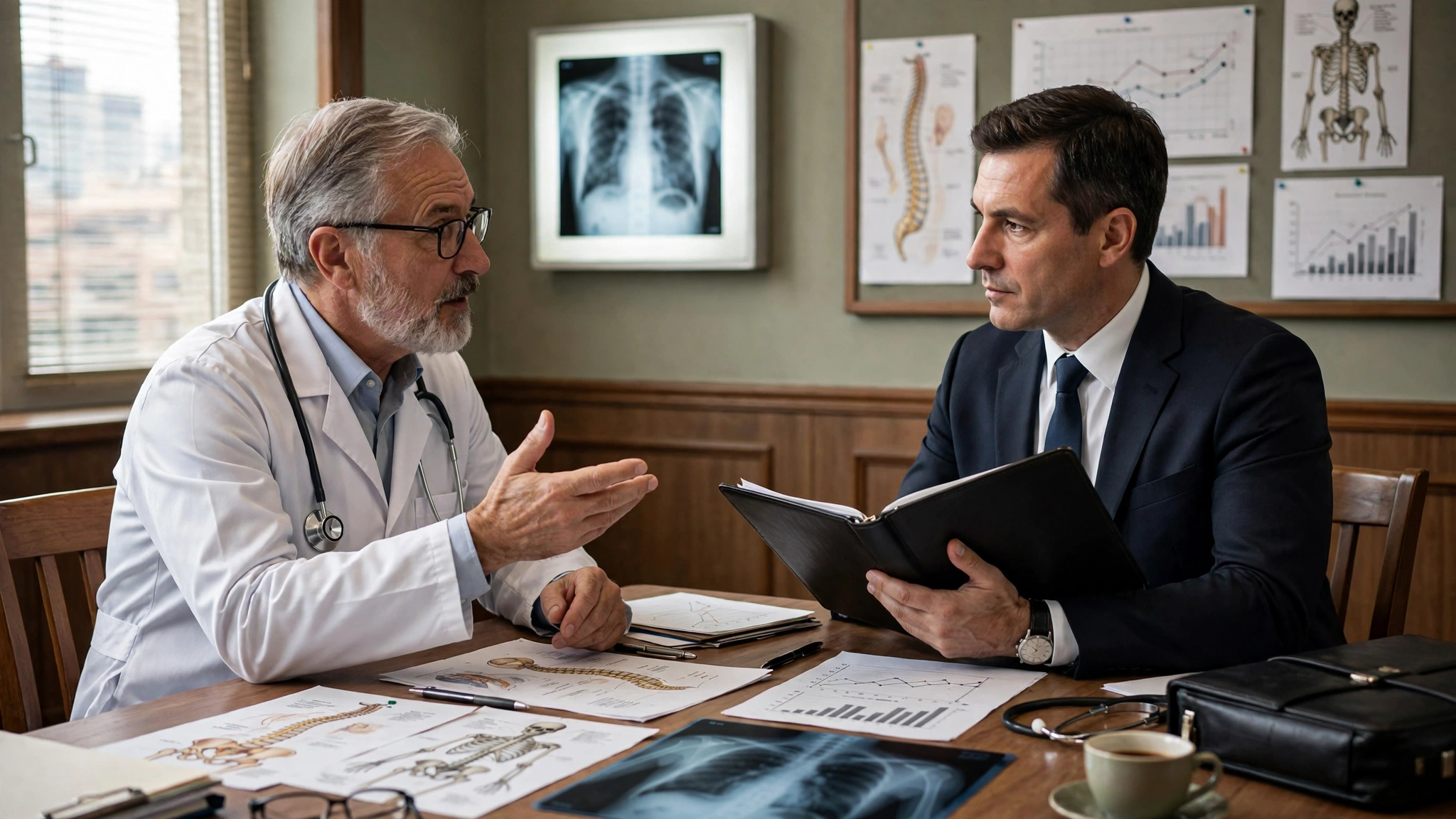
When medical care leads to a serious injury, worsening condition, or unexpected loss, patients and families in Atlanta often need answers that go beyond a confusing chart or a difficult conversation. A poor outcome does not automatically mean malpractice occurred. Still, expert witnesses can play a central role in determining whether a provider’s choices met accepted medical standards and whether a preventable error caused harm.
For people considering a claim, Atlanta Medical Malpractice Lawyers | Chance, Forlines, Carter & King, PC can help evaluate records, identify the medical questions that require expert review, and explain possible next steps. A careful review is especially important in complex cases involving major hospitals, specialty practices, emergency departments, surgery centers, or long treatment histories across metro Atlanta.
Why Medical Outcomes Can Be Difficult to Judge
Medicine involves risk, uncertainty, and complications that may occur even when clinicians act appropriately. An infection after surgery, a delayed recovery, or an unsuccessful treatment does not by itself establish negligence. The key questions are usually whether warning signs were recognized, whether reasonable steps were taken, and whether a different decision would likely have changed the outcome.
Medical records can be lengthy and technical. They may include notes from physicians, nurses, pharmacists, therapists, radiologists, and specialists, sometimes created at different locations and times. Patients can begin organizing that information by following guidance on how to obtain, review, and use their health records as they seek care and consider their options.
What an Expert Witness Does
An expert witness is a qualified professional who reviews the facts of a case and offers an informed opinion within their field of expertise. In a medical malpractice case, the expert may examine records, test results, imaging, medication histories, hospital policies, and witness testimony. The expert’s role is not simply to say that an outcome was unfortunate. It is to explain the medical significance of what happened.
For example, an expert may assess whether symptoms warranted additional testing, whether a surgeon responded appropriately to a complication, whether medication dosing was appropriate, or whether follow-up instructions addressed known risks. If the case proceeds, the expert may provide a written opinion, answer questions under oath, and explain medical issues in court in language a jury can understand.

Explaining the Standard of Care
A core issue in many malpractice claims is the standard of care. In practical terms, this concerns what a reasonably careful and qualified provider in a similar situation should have done. Expert testimony can help distinguish between a reasonable clinical judgment and conduct that fell below accepted professional practice.
How experts evaluate the care provided
- They compare the provider’s actions with the patient’s symptoms, history, test results, and clinical condition at the time.
- They consider whether information available to the provider suggested a need for testing, consultation, treatment, monitoring, or referral.
- They review whether care was timely, particularly when a patient’s condition was deteriorating.
- They explain whether documentation supports the account given by the provider or facility.
In Atlanta cases, the appropriate expert may need experience in the same or a closely related specialty, such as emergency medicine, obstetrics, anesthesiology, oncology, neurology, nursing, or pharmacy. Relevant expertise helps ensure that the opinion addresses the actual medical decisions at issue.


Connecting a Mistake to an Injury
Even when an expert identifies a departure from the standard of care, another question remains: Did that departure cause the patient’s injury? This is often called causation, and it can be one of the most contested parts of a malpractice claim.
An expert may evaluate what likely would have happened if appropriate care had been provided. For instance, the analysis may address whether an earlier diagnosis could have allowed earlier treatment, whether a different medication plan could have avoided an adverse reaction, or whether closer monitoring could have revealed a developing emergency. The expert must account for the patient’s preexisting health conditions and other possible causes of injury rather than relying on assumptions.
Building the Records and Timeline
Expert opinions are only as useful as the information available for review. Patients and families can support a thorough evaluation by preserving documents and creating a clear timeline while events are still fresh. Medical treatment should always come first, especially for severe pain, breathing trouble, heavy bleeding, confusion, weakness, fever, or other urgent symptoms.
Information that may assist an expert review
- Physician and nursing notes, test results, imaging reports, medication records, and discharge instructions.
- A dated timeline of symptoms, appointments, procedures, calls, and changes in condition.
- Photos of visible injuries, treatment areas, or medical devices when appropriate.
- Messages, emails, appointment reminders, bills, prescription containers, and care instructions.
- Names of family members or others who witnessed important conversations or observed changes in the patient’s condition.
- Records of missed work, travel costs, medical equipment, and other expenses related to the injury.
Keep original documents unchanged. If a record appears inaccurate, make a separate list of questions or concerns rather than writing on the original. Missing information, conflicting times, and unexplained changes in the record may require careful follow-up.
Types of Expert Witnesses
Some cases require more than one expert because medical harm can involve several distinct issues. A treating-specialty physician may address diagnosis or treatment decisions, while a nurse expert may evaluate nursing assessments, monitoring, communication, or medication administration. A radiology expert may interpret imaging issues, and a pharmacist may address drug interactions, dispensing, or dosing.
Other experts may help explain the practical consequences of an injury. A life-care planning professional may discuss anticipated care needs, while vocational experts may evaluate how physical or cognitive limitations affect a person’s ability to work. Their opinions can help present a complete picture of how the injury has affected daily life.
Questions, Second Opinions, and Evidence
A second medical opinion can be valuable after a serious diagnosis, major procedure, unexplained complication, or worsening symptoms. Bring records, imaging, medication lists, and a short timeline to the appointment. A new clinician may offer important guidance about current treatment needs, although a second opinion does not automatically resolve legal questions.
Useful questions for the care team may include:
- What was the working diagnosis at each stage of treatment?
- What test results or findings guided the care plan?
- What occurred during the procedure, hospitalization, or medication change?
- What follow-up care is needed now, and what symptoms require urgent attention?
- How can the patient obtain complete records and request correction of factual errors?
When Legal Guidance May Help
Legal guidance may be appropriate when an injury is severe, permanent, fatal, financially damaging, or disputed by the provider or facility. A lawyer can arrange an appropriate expert review, assess the available evidence, and help identify any deadlines that may apply to a potential Georgia claim. Deadlines and legal requirements can vary based on the facts, so waiting until records are difficult to locate can create unnecessary problems.
Expert witnesses do not replace ongoing medical care, and an attorney does not replace a doctor. Together, however, careful medical evaluation, preserved evidence, a reliable timeline, and qualified expert testimony can help Atlanta patients and families determine whether the facts support a medical malpractice claim.