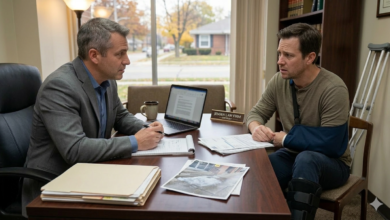
When Out-of-State Estates Require Ancillary Probate in Boca Raton
Ancillary probate in Boca Raton may be required when a non-Florida resident owns Florida property. Understand the process, legal requirements, and estate delays.
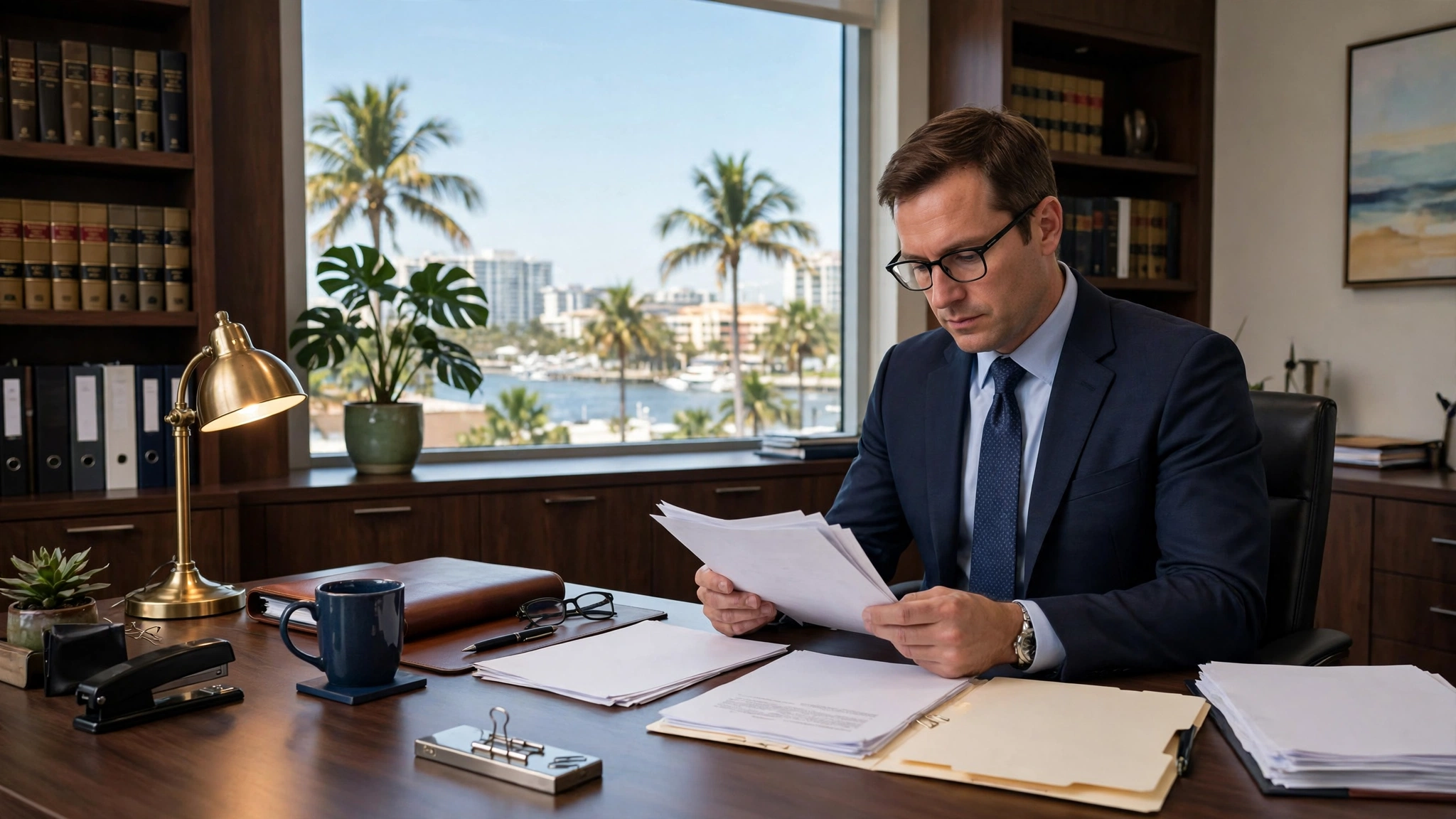
A family may settle an estate in one state and still face legal work hundreds of miles away. Florida real estate can create a separate probate requirement, even when relatives have started the process elsewhere. For families handling property in Boca Raton, understanding ancillary probate can prevent confusion and delays.
When a loved one owned Florida property but lived elsewhere, families may need guidance. Professionals who provide help with ancillary probate matters in Boca Raton can explain the process while the primary estate is handled elsewhere.
Why an Estate May Need Probate in Two States
Probate generally takes place where a person lived when they died. However, real estate is usually handled under the laws of the state where the property is located. This creates a situation known as ancillary probate.
Consider someone who lived in New Jersey but owned a condominium in Florida. After their death, the New Jersey estate may go through its regular probate process. The Florida property may still require a separate proceeding before ownership can pass to the intended beneficiaries.
Florida law addresses this situation through Section 734.102, which covers ancillary administration for nonresident individuals who leave assets in the state. The Florida proceeding addresses property under Florida law; it does not necessarily repeat every task completed elsewhere.
Understanding Which Assets May Require Ancillary Probate
Not every asset owned by someone who lived outside Florida automatically requires ancillary administration. Ownership arrangements, beneficiary designations, and property types all matter.
Real estate is a common reason families encounter this issue. A vacation home, rental property, or condominium titled solely in the deceased person’s name may need probate before it can be transferred or sold. Other Florida assets may require attention depending on ownership.
By contrast, property held in a properly established and funded living trust may pass according to the trust terms rather than through probate. Jointly owned property with valid survivorship rights may also transfer outside the probate process. Families should review ownership records rather than assume every asset follows the same rules.
The Role of the Will and Personal Representative
A will names beneficiaries and may appoint a personal representative, but it does not automatically transfer Florida real estate. Probate may still be required.


The personal representative may gather estate information, address notices, and help complete transfers. Florida law sets qualifications for appointment.
When the original personal representative lives elsewhere, the family may need to determine whether that person qualifies to serve in Florida. Eligibility depends on the will and applicable law. Families should examine estate documents before transferring property.
Choosing Between Summary and Formal Administration
Florida provides different probate procedures depending on an estate’s circumstances. Summary administration may be available when statutory requirements are satisfied.
Under the 2026 Florida Statutes, Section 735.201 permits summary administration when the value of the estate subject to administration in Florida, after excluding property exempt from creditor claims, does not exceed $150,000, or when the person has been dead for more than two years. The Florida summary administration statute explains these requirements.
Formal administration may be necessary when an estate does not qualify for a simplified process. The procedure affects filings, court involvement, timing, and expenses. Eligibility depends on the full circumstances, not property value alone.
Common Challenges for Out-of-State Families
Out-of-state administration can create practical problems. Documents may come from another court, property records may be outdated, and beneficiaries may live far apart.
Families may disagree about selling, keeping, or distributing property, especially before ownership can change.
Common issues include:
- Locating the original will and related estate documents.
- Confirming how Florida property was legally titled.
- Identifying beneficiaries and interested parties.
- Reviewing possible creditor claims and estate expenses.
- Coordinating information between courts and family members.
Early attention can reduce problems and clarify what beneficiaries must do.
Why Local Knowledge Matters for Florida Property
Property value is only one consideration. Deeds, liens, and ownership records can affect transfers.
In Boca Raton, families may be dealing with condominiums, residential homes, investment properties, or vacation residences. Ownership details vary. A Florida probate lawyer can review documents, explain options, and identify next steps.
Local knowledge can help with title records, property obligations, and transfer documents in Palm Beach County.
Remote communication may reduce travel, but court rules and case details determine which steps can be completed from a distance.
Families should also keep copies of court orders, deeds, tax records, and correspondence in one place. These documents can help the personal representative answer questions and show what steps have already been completed. If relatives are unsure who holds a document, they can make a list and request records from the relevant institution.
For property in Boca Raton, confirming its deed and checking liens or unpaid expenses can help prevent surprises during administration. A careful review does not guarantee a quick transfer, but it gives the family a more accurate starting point. It can also help a Boca Raton lawyer identify missing information before preparing a petition or advising beneficiaries about their options at each stage.
Planning Ahead Can Reduce Future Probate Issues
Ancillary probate may arise when ownership was not planned for an out-of-state estate.
Estate planning lets owners consider trusts, ownership arrangements, and beneficiary designations. A trust must be properly funded, while joint ownership can affect control, taxes, and inheritance.
Property owners should review plans after marriage, divorce, retirement, or buying property elsewhere. Planning cannot remove every legal requirement, but it can clarify options.
Frequently Asked Questions
Does owning a Florida vacation home always require ancillary probate?
No. Ownership, applicable law, and estate facts matter. Trusts or survivorship rights may allow a different transfer.
Can an out-of-state family handle Florida ancillary probate remotely?
Often, families can complete many steps without travel. Court rules and document requirements determine what can be done remotely.
Is a Florida will required if the deceased already had a will in another state?
Not necessarily. Florida may recognize a valid out-of-state will, but local proceedings may still be needed for Florida property.
How long does ancillary probate take in Boca Raton?
Timing depends on procedure, court requirements, creditor issues, records, and beneficiary cooperation.
Moving Forward With Greater Clarity
After a loss, unexpected legal work can add stress. Understanding ancillary probate helps families organize documents and identify the steps for transferring property.
Early guidance can help families manage Florida property, meet legal requirements, and make informed decisions about inherited assets.