Common Causes of Car Accidents and How to Prevent Them
Learn the common causes of car accidents and practical safety tips to prevent crashes. Discover how to protect your rights after a collision.
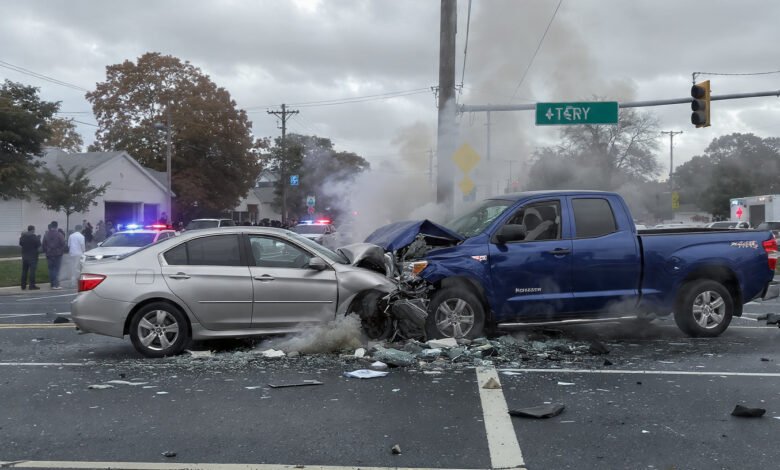
Car accidents remain a serious public safety issue, resulting in thousands of injuries and fatalities every year across the country. Many of these incidents are preventable. By recognizing the main causes of road collisions and addressing them through actionable safety steps, individuals can help reduce the risk of accidents for themselves and others. If you have been involved in a collision, consulting with a reputable car accident lawyer in Denver can be an important step in understanding your legal options and protecting your rights.
The causes of car accidents are varied and often stem from human behavior, environmental factors, or vehicle malfunctions. Implementing safety strategies can help reduce the severity and frequency of these accidents. This article breaks down the most common causes of crashes and how drivers can address them.
Distracted Driving
Distracted driving remains one of the leading causes of vehicle collisions. Actions such as sending text messages, eating, talking on the phone, or adjusting the GPS divert critical attention away from the road. According to the National Highway Traffic Safety Administration (NHTSA), distracted driving claimed the lives of 3,275 people in 2023,¹ underscoring its dangerous impact on road safety. Drivers should avoid multitasking and focus strictly on their driving responsibilities to minimize the risk of accidents.
Additionally, drivers should adopt proactive habits to combat distractions before they occur. For example, setting your GPS route before your drive, pre-selecting playlists or radio stations, and ensuring mirrors and seats are properly adjusted before shifting into gear can further minimize the potential for distractions on the road. Increasing public awareness of the dangers of distracted driving through community campaigns and education plays a crucial role in motivating positive behavior behind the wheel. Parents and guardians can also make a difference by modeling safe driving habits for young drivers and discussing the consequences of distracted driving early and often.
Speeding
Speeding, or driving faster than is safe for current conditions, drastically reduces a driver’s ability to respond to sudden changes, such as obstacles. Drivers need to engage in safe driving. In 2023, speeding contributed to over 11,775 deaths in the U.S., making speed a factor in nearly 29% of all crash fatalities that year (NHTSA).² To prevent accidents, adhere to posted speed limits and adjust your speed as needed based on weather and traffic conditions.
Advanced driver-assistance systems (ADAS) on modern vehicles, such as adaptive cruise control and automatic emergency braking, are increasingly available and can help regulate vehicle speed in traffic while assisting inattentive drivers. Nevertheless, personal accountability remains crucial. In addition to observing posted speed limits, drivers should be aware of conditions in construction zones, residential areas, or school zones, where lower speed limits are essential to safeguard pedestrians and workers. Fines and penalties for speeding, as well as points on a driver’s license, serve as additional deterrents.
Driving Under the Influence
Driving after consuming alcohol or drugs significantly diminishes judgment, reaction time, and motor skills. According to the Centers for Disease Control and Prevention (CDC), alcohol-impaired driving in 2022 caused about 13,524 deaths in the United States.³ Prevention tips include designating a sober driver, utilizing rideshare services, or simply avoiding driving after substance use.
Both alcohol and drug impairment pose a risk, with certain prescription and over-the-counter medications affecting alertness or coordination. Law enforcement continues to enforce zero-tolerance policies for impaired driving, but community responsibility is equally vital. Friends, family, and hospitality professionals can help prevent tragedies by arranging alternate transportation for anyone who may be impaired. Many advocacy organizations also offer awareness programs and resources to connect people with sober-ride options, highlighting the importance of planning.
Reckless Driving
Reckless or aggressive driving includes behaviors such as tailgating, changing lanes without signaling, and ignoring traffic signals. These actions create dangerous scenarios that frequently result in serious incidents. Practicing patience and following all traffic rules helps ensure safer roads for all travelers.

The cumulative effect of repeated reckless behaviors not only raises crash risks but can also escalate road rage incidents. Every driver needs to maintain a calm, composed demeanor on the road, avoid engaging with aggressive drivers, and, if necessary, safely report hazardous driving to local authorities. Community programs and defensive driving courses offer helpful guidance and strategies for navigating situations involving reckless motorists.
Poor Weather Conditions
Adverse weather, such as rain, fog, snow, or ice, can significantly decrease visibility and reduce tire traction on the road. Adjusting speed, turning on the low-beam headlights, and extending the following distance are essential practices for maintaining control in difficult weather conditions. The U.S. Department of Transportation notes that weather is a contributing factor in 21% of all vehicle crashes each year.
Regular checks on tire tread, windshield wipers, and brake function are fundamental for driver safety in inclement weather. In some regions, drivers may also consider using snow tires or carrying chains during the winter months. Local news, weather alerts, and navigation apps can provide real-time updates on hazardous road conditions, allowing motorists to delay travel or select safer routes when possible.
Drowsy Driving
Fatigued or drowsy driving can be just as dangerous as driving under the influence. Tired drivers are more likely to miss important cues and can fall asleep behind the wheel. The NHTSA estimates that drowsy driving was responsible for 684 deaths in 2021. Preventive actions include getting adequate rest, sharing driving duties on long trips, and taking regular breaks.
Recognizing signs of fatigue before they impair driving is essential for all drivers. Warning signs such as frequent yawning, restlessness, or difficulty keeping eyes open should prompt immediate action. Long-distance commercial drivers, shift workers, and those with sleep disorders are particularly at risk. Utilizing rest stops, scheduling overnight accommodations on lengthy trips, and avoiding drowsiness-causing medications can save lives.
Vehicle Defects
While driver behavior accounts for a large portion of crashes, mechanical failures can also contribute. Faulty brakes, worn tires, and defective headlights or brake lights may all trigger unexpected accidents. Regular vehicle maintenance and routine inspections are crucial steps in preventing crashes linked to equipment failure.
In addition, manufacturers may issue recalls for vehicles found to have defective components, and it is the vehicle owner’s responsibility to respond promptly to recall notices.⁴ Keeping a record of all repairs and inspections, adhering to a regular maintenance schedule, and seeking professional help when dashboard warning lights appear all contribute to a proactive approach to vehicular safety.
Running Red Lights or Stop Signs
Failing to stop at stop signs and red lights often results in severe T-bone or side-impact collisions. Such violations, often resulting from hurried or careless driving, endanger not only the offending driver but also other motorists and pedestrians in the intersection. Always come to a complete stop and take an extra moment to check for cross traffic before proceeding.
Enforcement cameras, community policing, and public awareness campaigns have all contributed to a decrease in intersection-related accidents in many regions. Nevertheless, driver vigilance remains indispensable. Approaching intersections with a defensive mindset, anticipating that cross-traffic may not yield as expected, provides an additional safety margin. Motorists can also advocate for local infrastructure improvements, like better signage or enhanced lighting at particularly dangerous intersections.
Conclusion
Most car accidents are preventable through vigilant driving, adherence to traffic laws, and regular vehicle maintenance. Addressing risk factors such as distraction, speeding, impairment, fatigue, and poor weather preparation can significantly reduce the likelihood of a crash. Empower yourself with knowledge to protect your safety and the well-being of everyone sharing the road.
Implementing simple, consistent habits, such as remaining focused on driving, observing speed limits, wearing seatbelts, and avoiding risky behavior, creates safer environments for all road users. Furthermore, communities can work together to spread awareness through education campaigns, local programs, and partnerships with schools or businesses. By taking responsibility as individuals and supporting a culture of safety, the rates of collision and injury can continue to decrease, saving lives and reducing suffering on our roadways.
References
- National Highway Traffic Safety Administration (NHTSA). Traffic Safety Facts: Speeding. U.S. Department of Transportation. https://www.nhtsa.gov/risky-driving/distracted-driving
- National Highway Traffic Safety Administration (NHTSA). Traffic Safety Facts: Speeding. U.S. Department of Transportation. https://www.nhtsa.gov/risky-driving/speeding
- Centers for Disease Control and Prevention (CDC). Impaired Driving: Get the Facts. https://www.cdc.gov/transportationsafety/impaired_driving/impaired-drv_factsheet.html
- National Highway Traffic Safety Administration (NHTSA). Check for recalls https://www.nhtsa.gov/recalls