Common Injuries After Auto Accidents
Learn common auto accident injuries, why early medical care matters, and how a Virginia personal injury law firm can help protect your rights.

Auto accidents can result in a wide spectrum of injuries, from minor scrapes to severe, life-changing conditions. Being aware of these injury types helps victims seek appropriate medical care and understand their legal options after an incident. Consulting a trusted Virginia personal injury law firm can be essential in navigating post-accident recovery and claims.
Understanding what happens during and after a crash, both physically and emotionally, is crucial. Prompt recognition and treatment of these injuries often mean better long-term outcomes. Additionally, knowing how to protect yourself and your loved ones by implementing effective safety measures can significantly improve vehicle safety and health.
Proper legal guidance can help ensure you are adequately compensated for your injuries and losses following an accident. Those navigating the aftermath of a collision may notice symptoms that aren’t always immediately obvious, making legal and medical guidance even more crucial.
Whiplash and Neck Injuries
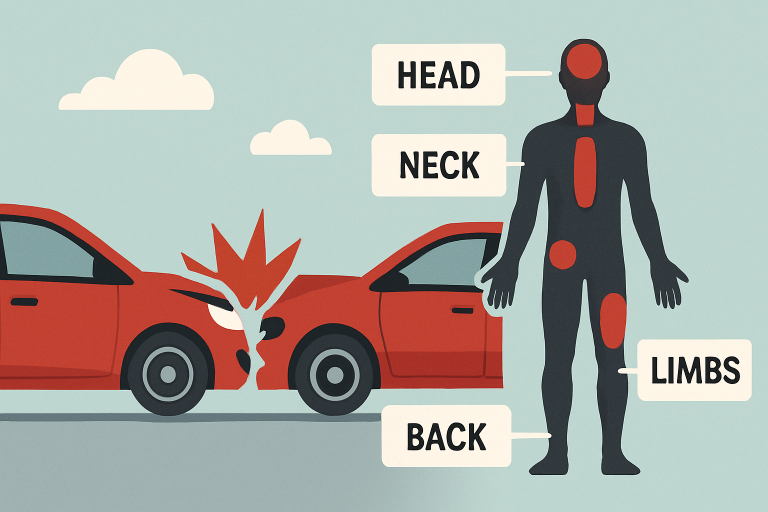
Whiplash is among the most common injuries suffered in rear-end collisions. The sudden forceful movement of the neck, first snapping forward, then backward, can stretch and tear muscles, ligaments, and tendons. While symptoms like stiffness, pain, and restricted movement may appear hours or days later, seeking early medical evaluation is critical for proper recovery and to prevent chronic problems. Consulting a personal injury lawyer in Richmond, Virginia can also help victims understand their legal rights and options for compensation. According to the Mayo Clinic, untreated whiplash may lead to ongoing pain and complications.
Head and Brain Trauma
Traumatic brain injuries (TBIs) and concussions can be life-altering. During a collision, the head may impact a window, steering wheel, or headrest, resulting in bruising, cuts, or internal damage. Even when seatbelts and airbags are used, the risk of head trauma remains. TBIs range from mild to severe and often disrupt memory, cognitive function, mood, and motor skills. If you lose consciousness after a car crash, have persistent headaches, or experience dizziness, it is vital to seek medical care immediately.
Back and Spinal Cord Injuries
The back is highly susceptible to injury in auto accidents. The force of a crash can cause herniated discs, spinal fractures, or damage to the spinal cord itself. These injuries may manifest as chronic pain, numbness, or even partial or complete paralysis. Fast, precise diagnosis and treatment can often determine the extent of mobility retained following the accident and reduce the risk of permanent disability.
Broken Bones and Fractures
Broken bones are another frequent consequence, especially in severe or high-speed collisions. The extremities, pelvis, and ribcage are most vulnerable. While some fractures are uncomplicated, others can be complex, involving multiple breaks or shattering of the bone, often requiring surgical repair and extensive physical therapy. Symptoms such as swelling, severe pain, bruising, or visible deformity should prompt emergency care.
Internal Injuries
Unlike visible injuries, internal damage, including organ trauma or internal bleeding, may not be immediately apparent, but these conditions can be fatal if left untreated. The blunt force of impact often affects organs such as the liver, spleen, kidneys, or lungs. Symptoms might include abdominal pain, dizziness, or fainting. Emergency medical treatment is crucial for survival in these cases, as internal bleeding can escalate rapidly.


Psychological Impact
Physical trauma is only part of the story; auto accidents also carry a significant psychological toll. Victims may develop post-traumatic stress disorder (PTSD), anxiety, depression, sleep disturbances, or phobias related to driving. These conditions can interfere with work, relationships, and daily functioning, and often require professional support for effective management. Talking to a mental health professional after an accident can help with both immediate and long-term emotional recovery, as discussed by Healthline.
Delayed Onset of Symptoms
Not all injuries show themselves at the scene. Adrenaline and shock can mask pain and other symptoms such as whiplash, soft tissue trauma, or internal bleeding for hours or even days. Ignoring subtle or delayed signs can result in more serious complications. Always seek a comprehensive medical evaluation after an accident, even if you feel uninjured at first; early detection allows prompt intervention and a better prognosis.
Preventive Measures
While not all collisions are avoidable, there are effective strategies to mitigate serious injury:
- Always wear a seatbelt and make sure all passengers do the same.
- Obey speed limits and be cautious in hazardous weather conditions or poor visibility.
- Avoid distractions, such as texting or adjusting navigation systems, while driving.
- Keep your vehicle well-maintained, especially tires, brakes, and airbags.
- Take regular breaks on long drives to prevent fatigue-related errors.
These simple habits have been proven to significantly lower injury severity in motor vehicle accidents and promote road safety.
Understanding the range of possible injuries and their symptoms aids timely treatment and recovery. If you or a loved one has been involved in a car crash, prioritize your health, seek legal guidance, and consider professional help for mental and physical healing.
Final Thoughts
Auto accidents can lead to a wide variety of injuries, some immediate and obvious, others delayed and hidden. Recognizing the signs, seeking prompt medical attention, and understanding the potential long-term effects are crucial steps to protecting your health and supporting your recovery.
Equally important is knowing your legal options. Consulting a personal injury law firm can help ensure that you are fairly compensated for medical expenses, lost wages, pain and suffering, and other losses resulting from a crash. Legal guidance can also relieve the stress of dealing with insurance companies and complex claim processes.
Ultimately, combining timely medical care, preventive safety practices, and skilled legal support empowers accident victims to recover physically, emotionally, and financially, helping them move forward with confidence and security.