Cybersecurity Failures Lead to Increased Legal Risks for Executives and Boards
Cybersecurity is now a board-level responsibility. Learn how poor security oversight can trigger shareholder lawsuits and legal risks for executives.

Key Takeaways
- Board members and executives now face direct legal risks for failing to oversee cybersecurity measures.
- Regulatory changes and legal precedents have raised the bar for cyber governance in the boardroom.
- Lapses in cybersecurity can lead to major financial, legal, and reputational consequences, including potential shareholder lawsuits.
- Best practices for governance, transparency, and ongoing education are essential for mitigating risks.
Understanding the Shift in Accountability
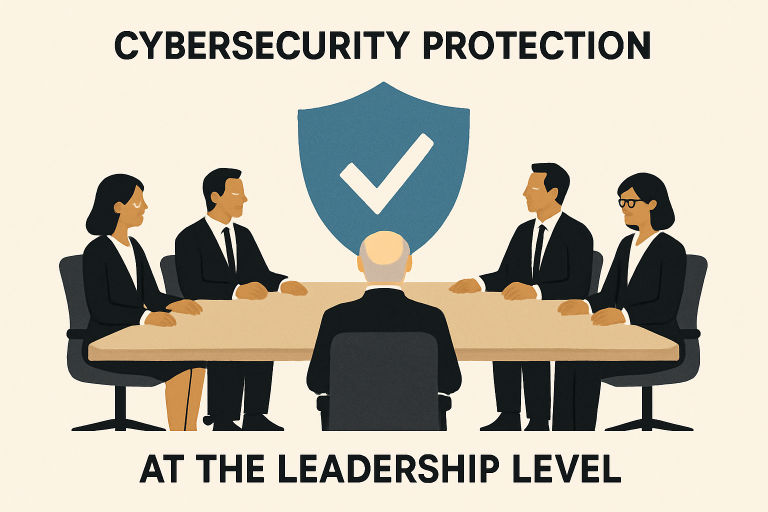
In today’s digital age, cybersecurity has become a central concern in corporate governance. No longer is the safeguarding of data and digital assets just a technical duty for IT teams. Organizations are recognizing that poor oversight in this area can have legal ramifications for those at the highest levels of leadership. As companies acknowledge that poor cybersecurity could mean shareholder lawsuits, the roles of boards and executives have shifted from passive observers to proactive decision-makers in cybersecurity strategy.
A pronounced shift in attitude has taken hold, as highlighted in recent research reporting that 91 percent of cybersecurity professionals now believe ultimate responsibility for security breaches lies with company boards rather than with technical managers. This evolution means boards must be fully aware of current threats, legal expectations, and their organizations’ security posture.
Regulatory Changes Amplify Responsibilities
Regulators have responded to the mounting risks with strict new mandates. The U.S. Securities and Exchange Commission (SEC) now requires public companies to disclose material cybersecurity incidents within four days and to clarify the board’s role in cyber risk oversight. Organizations unable or unwilling to meet these requirements face heavier scrutiny and the threat of significant penalties. These changes demand board-level engagement with cybersecurity, moving responsibility squarely onto the agenda of corporate directors and top executives.
Regulatory action is not limited to the United States. The European Union and other global markets are also embracing tougher reporting and oversight frameworks, holding companies and their leadership accountable for taking active roles in risk management. This trend reflects how the marketplace is hardening expectations around transparency and due diligence from those governing corporations.
As executives confront expanding regulatory duties, it has become crucial to understand how international norms, such as those found in the EU’s General Data Protection Regulation (GDPR), shape governance and compliance requirements globally. For more context on evolving regulatory frameworks, the MIT News details the SEC’s rule changes and the broader shift in board accountability.
Legal Precedents Set the Stage
The legal landscape for executive accountability in cybersecurity has dramatically changed in recent years. A landmark moment arrived in 2022, when Uber’s former chief security officer was convicted for his role in concealing a data breach. This case signaled to corporate America that personal liability for mishandled or hidden cyber incidents is very real. Executives found to be negligent, reckless, or deceptive in their duties surrounding cyber incident response could face significant legal repercussions.
These developments have heightened pressure on company leaders to implement robust security protocols and ensure prompt, transparent handling of cyber incidents. As more cases emerge, board members and executives need to be vigilant and accountable, as future rulings are likely to follow the precedent set in these high-profile cases.


Financial Implications of Cyber Incidents
The cost of failing to prioritize cybersecurity can be devastating, not just in technical or legal terms, but also financially. Recent analyses found that the financial impact of major cyberattacks can be severe, with some claims exceeding $300 million and typical ransomware incidents causing nearly a month of operational downtime. These types of financial losses not only threaten a company’s liquidity but can also significantly erode shareholder trust and the company’s market value.
Investors are increasingly sensitive to cybersecurity risks, and the reputational damage from a publicized breach can quickly lead to class-action lawsuits and loss of market position. Shareholders are now more likely than ever to seek accountability from directors and officers they believe have failed in their fiduciary duties. This environment makes a strong case for prioritizing risk analysis and effective security management at the highest levels of an organization.
Best Practices for Boards and Executives
Boards and company leaders can reduce their cyber risk exposure by embedding best practices into their oversight frameworks. Among the most effective measures:
- Integrating cybersecurity fully into the company’s broader risk management strategy.
- Scheduling regular briefings on current cyber threats and on the organization’s preparedness to face them.
- Cultivating a culture of transparency so that cyber incidents are reported, escalated, and disclosed appropriately and promptly.
- Regularly investing in cybersecurity training and awareness programs, ensuring that all leaders understand the evolving threat landscape and their responsibilities.
Implementing these safeguards helps ensure accountability while protecting the organization and its stakeholders. Ongoing dialogue between IT specialists and the board is key to fostering a resilient and proactive risk culture.
Conclusion
Cybersecurity oversight is now a fundamental governance issue for boards and executives, not just a technical afterthought. The legal, regulatory, and financial landscapes have converged, making leadership personally accountable for protecting the company’s digital assets and reputation. By staying engaged, informed, and transparent, senior leaders can minimize their exposure to legal risks and help their organizations thrive amid prevalent cyber threats.