How Legal Guidance can Strengthen Rental Property Operations
Protect your rental investment with expert eviction legal services. Ensure compliance, reduce risks, and build strong landlord-tenant relationships with guidance.

Key Takeaways
- Legal guidance helps ensure compliance and reduces risk in rental operations.
- Clear lease agreements prevent misunderstandings and disputes.
- Staying up to date on laws helps avoid penalties and legal issues.
- Good communication builds stronger landlord-tenant relationships.
- Fair screening practices support compliance and consistency.
- Proper maintenance and documentation protect property and liability.
- Evictions must follow strict legal procedures to be effective.
- Ongoing legal support improves efficiency and long-term success.
Managing rental properties requires a strategic approach that goes far beyond collecting monthly rent. Landlords must remain vigilant about laws and regulations to effectively protect their investments and tenants. Seeking a professional eviction legal service early can help streamline management, reduce liability, and ensure compliance with evolving legal requirements. Expert advice empowers landlords to confidently navigate leasing challenges and uphold their responsibilities.
Legal guidance is not just about avoiding problems but about creating robust, transparent, and positive landlord-tenant relationships. When both parties understand their rights and obligations, disputes become less frequent. Well-informed landlords are better equipped to address tenant needs, adapt to regulatory shifts, and maintain a profitable, well-run operation. Proper legal support also helps prevent mistakes that could lead to costly litigation or property loss.
Understanding Lease Agreements
Lease agreements form the core of the rental relationship. Clearly articulated leases establish expectations for both landlords and tenants, preventing misunderstandings that can escalate into legal battles. Every lease should comply with local and state laws and outline payment terms, maintenance responsibilities, pet policies, and other relevant rules. Review and update these documents regularly to reflect new legislation, court rulings, or changes in property management practices. Transparent leases provide a solid foundation for all future interactions.
Staying Compliant with Local Laws
Rental laws are shaped by rapidly changing regulations at the city, county, and state levels. These laws govern everything from eviction notice periods to rent control protocols and security deposit limits. Landlords must remain current on local statutes to avoid hefty penalties or unintentional discrimination. For example, California’s complex housing laws have undergone significant updates, affecting everything from eviction moratoriums to rental caps. Staying informed is necessary to avoid costly mistakes. Regular consultations with legal professionals, housing authorities, or local landlord associations can help property owners maintain compliance. Keeping up to date with regulations also reassures tenants that their rights are prioritized, fostering trust and encouraging long-term tenancies.
Effective Communication with Tenants
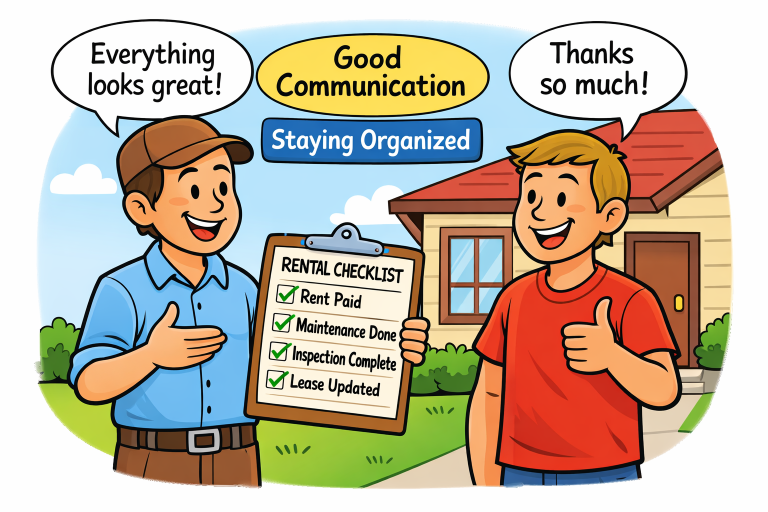
Clear, consistent communication is fundamental to successful property management. Landlords should proactively share information about policies, payments, repairs, and changes to the property. Setting expectations around communication channels and response times helps prevent misunderstandings. For example, providing written notices about maintenance procedures or policy updates can serve as protection if disputes arise later. Open lines of communication demonstrate professionalism and foster goodwill, making tenants more likely to maintain the property and fulfill their contractual obligations.
Implementing Fair Tenant Screening Practices
Screening tenants is a critical step in protecting property investments and maintaining a positive rental community. Landlords must establish objective, non-discriminatory criteria that comply with fair housing laws at every stage of the process. Uniform use of applications, background checks, and income verification helps avoid bias or the perception of unfair treatment. Consistent procedures serve as evidence of compliance if potential tenants challenge the decision, and they reduce the risk of legal claims based on discrimination or privacy violations.
Proactive Maintenance and Repairs
Every rental property must be habitable and safe in accordance with local codes and standards. Regularly scheduled maintenance inspections, prompt responses to repair requests, and detailed documentation of completed work are crucial to upholding this obligation. Neglecting property maintenance can expose landlords to legal claims, resulting in financial losses or even forced evacuations. By documenting all repair efforts and communication, landlords protect themselves from liability and strengthen tenant satisfaction. Keeping properties well-maintained also preserves value and enhances curb appeal.


Handling Evictions Legally
Evictions are among the most complex and regulated aspects of property management. All steps must strictly adhere to local laws, from giving adequate notice to filing necessary court documents. Grounds for eviction typically involve nonpayment of rent, lease breaches, or illegal activities, but these must be proven through proper documentation and evidence. Any deviation from prescribed procedures can nullify the case, resulting in lost rent and delayed turnover. Landlords facing eviction situations should consult licensed attorneys to ensure each step is taken properly.
Utilizing Legal Counsel
Legal counsel provides a crucial safeguard for rental operations, from lease drafting to dispute resolution. Real estate attorneys bring expertise in interpreting statutes, structuring effective agreements, and representing landlords during litigation. Engaging experienced professionals reduces risks, saves time, and often results in more favorable outcomes in court or settlement discussions. Ongoing relationships with legal advisors make it easier to anticipate compliance challenges, respond to legal threats, and maintain a hands-on management approach while minimizing costly missteps.
Conclusion
Strong legal guidance forms the backbone of efficient, compliant, and profitable rental property operations. By staying informed, engaging qualified professionals, and implementing comprehensive procedures, landlords can mitigate risks and create a positive environment for tenants. The result is predictable cash flow, fewer disputes, and a reputation for professionalism in an often unpredictable industry.