The Future of Whistleblowing in Corporate America
Explore how whistleblowing is evolving in Corporate America, including new protections, reporting options, and legal guidance for employees.

Whistleblowing has long been an essential part of corporate oversight, empowering employees to report unethical conduct that might otherwise go unchecked. As the business landscape adapts to legislative and technological changes, the need for well-structured protections and accessible reporting options grows even more pressing. Those considering disclosing wrongdoing often consult Brown, LLC whistleblower lawyers for guidance on legal rights and the best course of action amid a changing regulatory environment.
Over recent years, Corporate America has seen a dramatic evolution in both attitudes and policies regarding internal reporting. Legislative reforms, digital platforms, and broader acceptance of whistleblowers as vital contributors to integrity all help shape this new era. Understanding the latest developments can help companies, employees, and policy leaders navigate emerging risks while encouraging ethical behavior at every level.
Recent Legislative Developments
In response to the ever-evolving corporate landscape, lawmakers have increased their focus on protecting those who report illegal activities. In March 2025, Senators Charles Grassley and Elizabeth Warren reintroduced the SEC Whistleblower Reform Act. The primary goal of this bill is to close gaps in existing protections by covering employees who report securities violations within their organizations, rather than only those who raise concerns directly with regulators. Moreover, in July 2025, the Department of Justice’s Antitrust Division introduced a whistleblower rewards program to incentivize disclosures of antitrust violations affecting areas such as the U.S. Postal Service.
These legislative shifts indicate a growing awareness of the substantial challenges whistleblowers face and signal a government commitment to both incentivizing and safeguarding whistleblowing. As legal frameworks are strengthened, employees are likely to feel more confident about coming forward when they witness wrongdoing.
Technological Advancements in Reporting
The process of whistleblowing is no longer limited to quiet conversations with HR or navigating complicated reporting chains. The proliferation of digital reporting platforms has revolutionized how employees can speak out securely and, if necessary, anonymously. According to a 2025 industry report, web-based reporting systems are now in place at nearly half of U.S. companies, making it easier for individuals to document and escalate concerns from anywhere.
These technologies not only streamline the process but also improve the traceability and follow-up of concerns, enhancing overall accountability. Digital tools have the potential to remove much of the fear historically associated with exposing misconduct, furthering a culture of compliance and ethical conduct.
Corporate Culture and Whistleblower Protection
Establishing a strong culture of support for whistleblowers is more critical than ever. Some organizations are leading the way by supporting robust internal controls, developing comprehensive training initiatives, and continually updating policies to ensure clarity around the reporting process. When employees know there are clear procedures and meaningful protections in place, they are more likely to trust the system and step forward without hesitation.
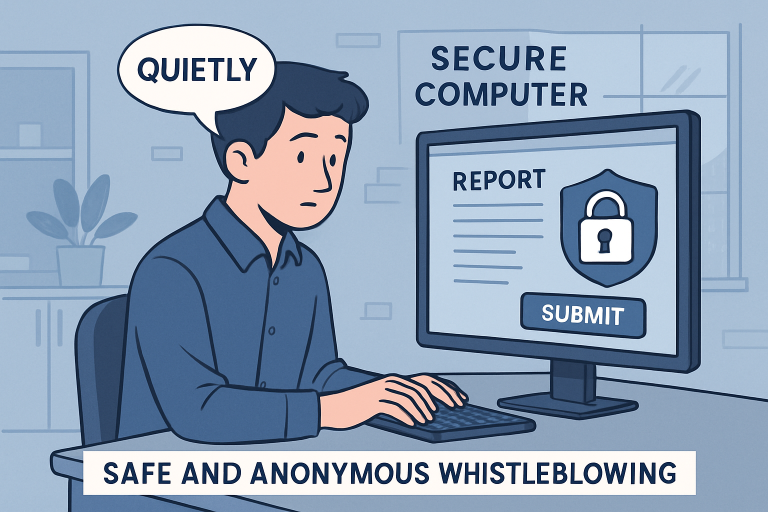
Transparent channels for disclosure, paired with assurances against retaliation, play a pivotal role in driving change. Companies benefit by identifying weaknesses or illegal activities early, while whistleblowers gain security that their efforts will be heard and addressed efficiently. As this cultural transformation progresses, ethics become embedded in daily business operations.


Impact of Whistleblowing on Corporate Governance
Whistleblowing is a crucial lever for improving corporate governance. By shedding light on internal misconduct or regulatory breaches, whistleblowers encourage organizations to act promptly, address deficiencies, and implement enhanced compliance frameworks. These actions can ultimately lead to stronger risk management, reduced risk of future legal entanglements, and improvements in relationships with both investors and the public.
As companies become more transparent, external stakeholders gain greater assurance in their operations and leadership, which in turn fuels a virtuous cycle of trust and accountability.
Challenges and Risks for Whistleblowers
Despite increased legal support, those who go public with serious allegations still face significant risks. Retaliation, damaged reputations, and stunted career growth remain harsh realities for many, even after advanced protections are put in place. The tragic experience of Allison Bailey, a Nevada National Guard member who allegedly faced fatal retaliation after reporting misconduct, demonstrates the immense personal cost such exposure can carry.
Comprehensive legal and emotional support is vital to ensure that individuals do not have to shoulder the risks alone. Companies and lawmakers are increasingly pressed to consider not just financial but also psychological protections for those upholding ethical conduct in the face of adversity.
The Role of Nonprofit Organizations
Nonprofit organizations occupy a unique position in supporting whistleblowers. Groups such as The Signals Network offer services ranging from legal assistance to psychological counseling and advocacy. Their aid helps bridge the gap between internal policies and real-world experiences by providing resources for individuals who may not trust in-house channels or fear company bias.
Beyond direct support, these nonprofits advocate for continued legislative reforms and shape broader public dialogue about the importance of whistleblower protections. Their work underpins the notion that reporting misconduct is a public good deserving robust support systems.
Future Trends and Predictions
Looking forward, corporations and lawmakers are likely to strengthen partnerships to further refine whistleblower protections and rewards. Anticipated legislative updates will close loopholes in existing laws and may offer additional incentives for speaking up. Technology will remain a driving force, delivering easier-to-use, more secure platforms for voicing concerns while integrating data analytics to identify trends and enable proactive interventions.
Meanwhile, as public awareness of corporate ethics grows, companies face heightened pressure to demonstrate a genuine commitment to transparency and accountability. Cultivating a sustainable, ethical environment will become increasingly tied to competitive advantage and company reputation.
Conclusion
The evolution of whistleblowing in Corporate America is well underway, defined by legislative innovation, new technologies, and a shift in social expectations around corporate ethics. By embracing these changes, organizations position themselves to foster safe, transparent, and accountable environments that further refine whistleblower protections and rewards towards integrity and progress.