What Does “Premises Liability” Actually Mean for Your Michigan Slip and Fall Case?
Understanding premises liability is key after a slip and fall in Michigan. Learn how fault, responsibility, and legal guidance affect your compensation options.
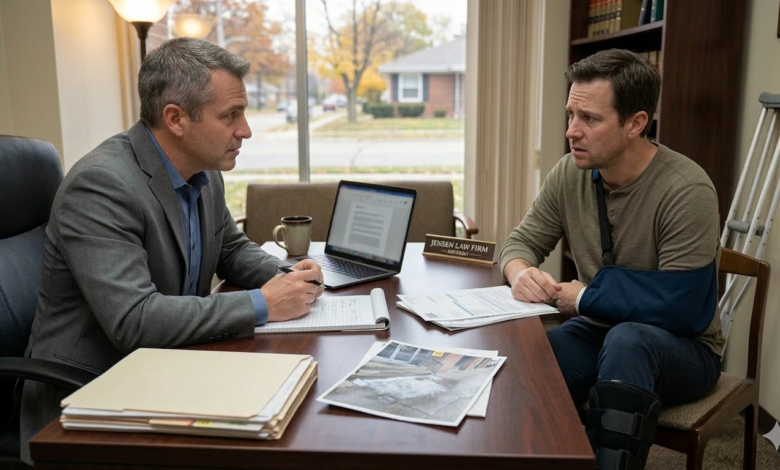
The phrase “premises liability” gets thrown around a lot in legal conversations, but most people have no idea what it actually means in practice. If someone slipped on an icy parking lot, tripped over a broken step, or fell because of a wet floor with no warning sign, they’ve likely already heard this term from a lawyer, an insurance adjuster, or a concerned friend.
Understanding premises liability isn’t just an academic exercise. For anyone dealing with a slip and fall injury in Michigan, it’s the legal foundation that determines whether a property owner can be held responsible and whether compensation is actually recoverable. Talking to a Slip and Fall Injury Lawyer in Michigan is the most direct way to understand how these rules apply to a specific situation, but knowing the basics first puts injured people in a much better position to ask the right questions.
Premises Liability in Plain Language
At its core, premises liability is the area of law that holds property owners and occupiers legally responsible for injuries that happen on their property due to unsafe conditions. The word “premises” simply refers to property, whether that’s a grocery store, a private home, an apartment complex, a restaurant, a parking garage, or even an outdoor public space.
The core legal idea is straightforward: people who own, control, or maintain property have a duty to keep it reasonably safe for others. When that duty is neglected and someone gets hurt as a result, the law provides a path to seek compensation.
In Michigan, slip and fall cases almost always fall under this legal framework. That means the outcome of a claim depends heavily on premises liability rules, specifically who was on the property, what condition caused the fall, and whether the property owner knew or should have known about it.
The Duty of Care: It Depends on Who You Are
Not everyone who steps onto a property has the same legal protections. Michigan law An invitee is someone who has been invited onto the property, either explicitly or implicitly, for a business or public purpose. Customers in a store, guests at a hotel, diners at a restaurant, and patients in a medical office are all invitees. Property owners owe invitees the highest duty of care. That means actively inspecting for hazards, fixing dangerous conditions in a timely manner, and warning visitors when a hazard can’t be immediately corrected.
Licensees
A licensee is someone who has permission to be on the property but for their own purposes rather than the owner’s benefit. A social guest at a private home is the classic example.
Property owners must warn licensees about known dangers that the visitor wouldn’t be expected to discover on their own, but they aren’t required to actively inspect for unknown hazards.
Trespassers
Trespassers generally receive the least protection under Michigan law. Property owners typically don’t owe a duty to trespassers, with one significant exception: the attractive nuisance doctrine, which applies when a dangerous condition like an unfenced pool or abandoned equipment poses a foreseeable risk to children who may not understand the danger.


For most slip and fall cases involving injuries in stores, parking lots, restaurants, or apartment buildings, the injured person is an invitee, which means the highest standard of care applies.
What Has to Be Proven in a Michigan Slip and Fall Case
Just because someone fell on someone else’s property doesn’t automatically mean the owner is liable. Michigan law requires injured people to establish several key elements.
The Property Owner Knew or Should Have Known About the Hazard
This is often the most contested part of a premises liability claim. There are two types of knowledge that matter legally:
Actual knowledge means the owner was directly aware of the dangerous condition. Maybe an employee created it, or a manager received a complaint about it hours before the accident.
Constructive knowledge means the owner should have known about it through reasonable inspection and maintenance. If a spill sat on a grocery store floor for two hours before causing a fall, a court may find that a proper inspection routine would have caught it.
Proving constructive knowledge often requires surveillance footage, maintenance logs, employee testimony, and evidence about how long the condition existed before the accident.
The Hazard Was Not Open and Obvious
Michigan has a specific legal rule that can block recovery in some slip and fall cases: the open and obvious doctrine. If a dangerous condition was so apparent that a reasonable person would have noticed and avoided it, the property owner may not be held liable.
Courts apply this rule to conditions like standing water in front of an entrance during a rainstorm, icy sidewalks in winter, or construction zones with visible barriers. However, there are important exceptions. If the hazard was effectively unavoidable, meaning there was no reasonable way to get around it, or if the owner had a special reason to expect that people would be distracted and fail to notice it, the open and obvious defense loses its strength.
This is a nuanced area of Michigan law, and one of the main reasons why consulting a Slip and Fall Injury Lawyer in Michigan is so important before assuming a claim isn’t viable.
The Injury Was Caused by the Hazardous Condition
Proving causation means connecting the dangerous condition directly to the fall and the fall directly to the injury. Medical records, accident reports, and sometimes expert testimony are used to establish this link clearly.
Common Hazards That Lead to Michigan Slip and Fall Claims
Premises liability cases arise from a wide variety of conditions. Some of the most frequently encountered include:
- Wet or freshly mopped floors without adequate warning signs
- Uneven pavement, cracked sidewalks, or unmarked elevation changes
- Ice and snow accumulation on walkways, steps, or parking lots
- Torn or bunched carpeting in commercial properties
- Poor lighting in stairwells, parking garages, or hallways
- Loose handrails or broken steps
- Merchandise or debris left in store aisles
- Potholes in parking lots that haven’t been repaired
The physical location of the fall matters too. Falls inside a business carry different legal weight than falls in an apartment building common area or on a government-owned sidewalk, since each situation involves different rules about liability and deadlines for filing claims.
Damages Available in Michigan Slip and Fall Cases When a premises liability claim succeeds, Michigan law allows for the recovery of both economic and non-economic damages.
Economic damages include:
- Emergency room visits, surgery, and ongoing medical treatment
- Physical therapy and rehabilitation costs
- Lost wages during recovery
- Future lost earnings if the injury causes long-term limitations
- Out-of-pocket expenses directly related to the injury
Non-economic damages cover the less tangible but equally real consequences:
- Physical pain and suffering
- Emotional distress and anxiety
- Loss of enjoyment of everyday activities
- Permanent disability or disfigurement
Michigan doesn’t cap non-economic damages in most premises liability cases, which means the severity of the injury and its impact on the person’s quality of life are central to the value of a claim.
Mistakes That Can Undermine a Slip and Fall Claim
Even with a strong factual case, certain errors can seriously weaken a claim or eliminate it altogether.
Not reporting the incident immediately. Leaving a store or property without formally reporting the fall gives the owner a chance to deny it happened, clean up the hazard, and destroy evidence.
Delaying medical treatment. Gaps between the accident and medical care are used to argue the injury wasn’t serious or wasn’t caused by the fall.
Assuming the owner’s insurance will handle it fairly. Insurance adjusters work to minimize payouts. They may quickly offer a settlement that doesn’t come close to covering long-term medical needs.
Waiting too long to consult an attorney. Michigan’s statute of limitations for personal injury claims is three years from the date of the accident. Claims against government entities, such as falls on public sidewalks or government buildings, may have notice requirements as short as 60 days.
Connecting with a personal injury attorney in Michigan early in the process protects the claim and ensures deadlines aren’t missed.
Practical Steps After a Slip and Fall Injury in Michigan
Taking the right steps immediately after a fall sets the foundation for a viable claim:
1. Report the incident to the property manager, store owner, or supervisor on-site
2. Request a written incident report and keep a copy
3. Photograph the hazard, the location, any visible injuries, and the footwear worn at the time
4. Collect contact information from any witnesses
5. Seek medical attention the same day, even if injuries seem minor
6. Avoid giving recorded statements to insurance representatives without legal advice
7. Consult a Slip and Fall Injury Lawyer in Michigan before accepting any settlement offer
Conclusion
Premises liability is the legal thread that runs through every slip and fall case in Michigan. It defines who owes a duty of care, what that duty requires, and what needs to be proven to hold a negligent property owner accountable. The rules aren’t always simple, especially when the open and obvious doctrine comes into play or when government entities are involved, but they’re navigable with the right legal guidance.
For anyone hurt in a slip and fall accident in Michigan, firms like Cochran, Kroll & Associates P.C. handle premises liability cases across the state and offer consultations to help injured people understand whether they have a claim and what it might be worth.