State Laws Requiring Physician Oversight in Clinics
This article explains how physician oversight laws work, why they exist, and how clinics can navigate the regulatory landscape to operate legally and safely.
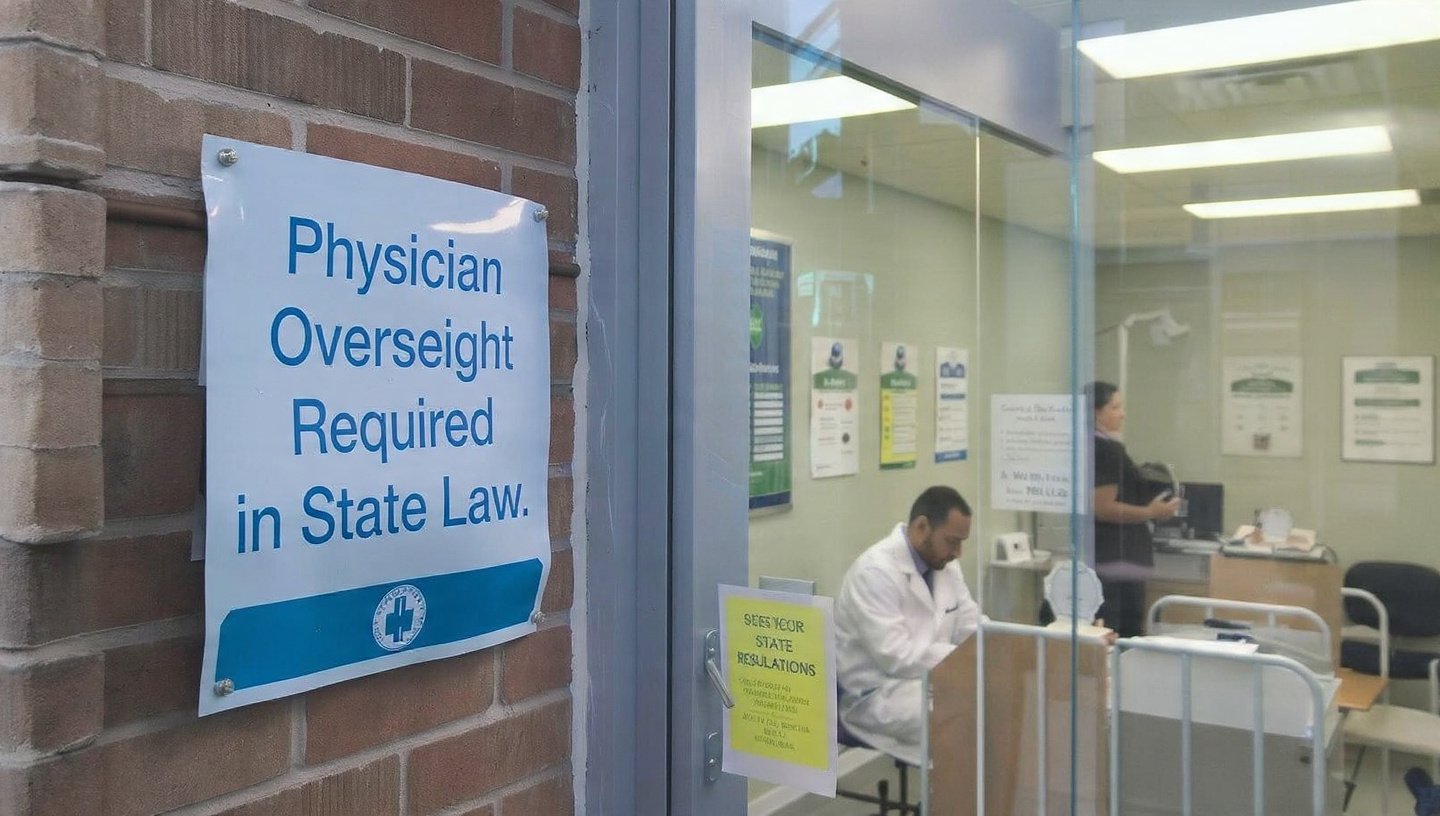
Healthcare regulations in the United States are complex and vary significantly from state to state. One of the most important regulatory frameworks affecting modern clinics is the requirement for physician oversight. Many states require certain healthcare services, especially those involving prescriptions, diagnostics, or medical procedures, to operate under the supervision of a licensed physician. These rules help maintain high standards of care, protect patient safety, and ensure compliance with professional licensing laws.
Understanding state laws that require physician oversight is essential for healthcare providers, clinic owners, and entrepreneurs who want to operate compliant practices. Whether launching a weight-loss clinic, medical spa, telehealth service, or primary care office, physician supervision may be required, depending on the services offered and the state in which the clinic operates.
This article explains how physician oversight laws work, why they exist, and how clinics can navigate the regulatory landscape to operate legally and safely.
Why Physician Oversight Laws Exist
Healthcare regulations are designed to protect patients by ensuring that medical care is delivered by qualified professionals working within clearly defined scopes of practice. Physician oversight laws help uphold these standards by requiring non-physician providers, such as nurse practitioners (NPs), physician assistants (PAs), and other clinicians, to collaborate with or be supervised by a physician in certain circumstances.
These laws typically address responsibilities such as:
- Prescribing medications
- Performing medical procedures
- Supervising clinical staff
- Delegating patient care responsibilities
- Establishing treatment protocols
In many cases, physician oversight is formalized through a collaborative practice agreement that outlines the roles, responsibilities, and scope of practice of physicians and other healthcare providers.
These agreements help ensure patient care remains coordinated, medically appropriate, and consistent with professional standards while allowing clinics to operate under team-based care models.
How State Laws Regulate Physician Oversight
In the United States, healthcare practice laws are regulated primarily at the state level. As a result, physician oversight requirements vary widely depending on location. Some states allow certain healthcare providers to practice independently, while others require ongoing physician collaboration or supervision.
According to regulatory guidance on physician collaboration, state laws determine whether healthcare providers must maintain formal agreements with physicians to diagnose conditions, treat patients, or prescribe medications.


These laws typically fall into three primary categories.
1. States Requiring Ongoing Physician Collaboration
In some states, nurse practitioners and certain clinic models must operate under continuous physician collaboration. These states require a formal relationship between the physician and the provider.
Oversight requirements may include:
- Written collaborative practice agreements
- Regular chart reviews
- Physician availability for consultation
- Limits on prescribing authority
States such as Florida, Georgia, Michigan, Indiana, and Louisiana maintain ongoing physician collaboration requirements for certain healthcare providers.
Clinics operating in these states must secure physician involvement before offering medical services that fall outside independent practice authority.
2. States with Transitional Physician Supervision
Some states allow healthcare providers to practice independently after completing a supervised training or experience period. This approach is commonly referred to as a transition-to-practice model.
In these states, providers must initially work under physician oversight for a specific number of hours or years before gaining full practice authority.
States including California, Connecticut, Illinois, and Maryland use transitional practice frameworks.
During the transition period, providers typically must maintain a collaborative agreement with a supervising physician.
3. States Allowing Independent Practice
Other states grant full practice authority, allowing nurse practitioners to diagnose conditions, treat patients, and prescribe medications without physician supervision.
States such as Alaska, Arizona, Colorado, Hawaii, Idaho, Iowa, and Minnesota allow independent practice authority for nurse practitioners.
Even in these states, some clinics still choose to work with medical directors or collaborating physicians to strengthen clinical oversight and maintain structured compliance systems.
Types of Physician Oversight in Healthcare
Physician oversight can take several forms depending on the clinic’s services and state regulations.
Medical Direction
A medical director provides high-level clinical oversight for a healthcare practice. This role is common in specialized clinics such as:
- Medical spas
- Weight loss clinics
- Telehealth companies
- IV therapy clinics
The medical director typically establishes clinical protocols, approves procedures, and helps ensure regulatory compliance.
Physician Collaboration
Collaboration is a shared-care model in which physicians work alongside other healthcare providers to support patient care.
This relationship may involve:
- Consultation availability
- Treatment protocol review
- Prescription oversight
- Case discussions
Collaboration enables providers to operate within a coordinated, team-based care environment.
Physician Supervision
Supervision generally involves a higher level of oversight than collaboration. In supervisory arrangements, physicians may review clinical work, approve procedures, and ensure providers follow established medical protocols.
Some states also limit the number of providers a physician may supervise simultaneously.
State medical boards establish these requirements to ensure physicians can adequately oversee the providers they supervise and maintain quality patient care.
Clinics That Commonly Require Physician Oversight
Several types of healthcare businesses often require physician supervision due to the medical nature of their services.
Weight Loss Clinics
Medical weight-loss clinics frequently prescribe medications such as GLP-1 therapies and appetite suppressants. Because these treatments involve prescriptions and ongoing monitoring, many states require physician oversight.
Medical Spas
Medical spas offer aesthetic treatments such as Botox, dermal fillers, laser therapy, and other cosmetic procedures. These treatments are often classified as medical services, meaning they must operate under physician supervision in many states.
Telehealth Practices
Telemedicine providers must follow the same regulatory requirements as in-person clinics. In states requiring collaboration, telehealth companies must maintain physician agreements with providers who prescribe medications or manage patient care.
Primary Care and Specialty Clinics
Clinics employing nurse practitioners or physician assistants may require physician supervision depending on state scope-of-practice laws. This oversight helps ensure patient care decisions remain aligned with professional standards.
The Role of Collaborative Practice Agreements
A key component of physician oversight laws is the collaborative practice agreement (CPA). This legal document establishes a formal relationship between a physician and another healthcare provider.
A CPA typically outlines:
- Scope of practice
- Prescriptive authority
- Supervision requirements
- Communication protocols
- Chart review processes
Collaborative practice agreements clearly define responsibilities and protect both providers and patients.
They also establish how patient care decisions are coordinated between physicians and other clinicians.
Compliance Challenges for Clinics
Navigating physician oversight laws can be challenging for clinic owners and healthcare entrepreneurs.
Common compliance challenges include:
- Understanding state-specific scope-of-practice laws
- Securing a collaborating physician
- Managing physician-to-provider supervision ratios
- Maintaining proper documentation and agreements
- Updating protocols as regulations change
Because regulations vary significantly between states, a clinic that is compliant in one location may need to make adjustments to operate legally in another.
This complexity is especially relevant for telehealth companies and multi-state healthcare organizations.
The Importance of Physician Partnerships
Although physician oversight is often required by regulation, it also provides meaningful clinical advantages.
Physician partnerships help clinics:
- Maintain evidence-based treatment protocols
- Improve patient safety
- Provide consultation for complex cases
- Strengthen clinical credibility
- Reduce regulatory risk
By collaborating with physicians, clinics can ensure their services remain safe, effective, and aligned with established medical standards.
Preparing Your Clinic for Compliance
For healthcare providers launching a clinic, understanding physician oversight requirements should be one of the first steps in the planning process.
Key compliance steps include:
- Researching state scope-of-practice laws
- Determining whether physician collaboration is required
- Establishing formal agreements with supervising physicians
- Creating treatment protocols and clinical policies
- Maintaining documentation and chart review processes
These steps help ensure the clinic operates within legal boundaries and avoids potential regulatory penalties.
The Future of Physician Oversight Laws
Healthcare regulations continue to evolve as states address workforce shortages, expand telehealth access, and adapt to new care delivery models.
Some states are gradually expanding nurse practitioners’ independent practice authority to improve access to healthcare services. Others continue to maintain structured physician oversight requirements.
Despite these changes, physician collaboration remains an essential component of many healthcare systems, particularly in specialized clinics and medical practices offering advanced treatments.
As healthcare continues to evolve, clinics must stay informed about regulatory updates to maintain compliance.
Conclusion
State laws requiring physician oversight play a critical role in protecting patient safety and maintaining high standards of medical care. These laws define how healthcare providers collaborate with physicians, prescribe medications, and deliver clinical services.
Because regulations vary significantly across states, clinic owners must carefully evaluate legal requirements before launching or expanding a practice.
Whether through collaboration, supervision, or medical direction, physician partnerships help clinics operate safely, maintain compliance, and deliver high-quality patient care.
By understanding and following physician oversight laws, healthcare providers can build sustainable practices that serve patients effectively while meeting regulatory standards.