What to Expect When Filing a Legal Claim
Learn how to file a legal claim, understand key steps, and protect your rights. Get guidance to navigate disputes and make informed legal decisions.

Key Takeaways
- Filing a legal claim can be complex, but understanding each stage helps you stay informed and prepared
- An initial consultation with an attorney is essential for evaluating your case and planning a strategy
- Strong documentation is critical and serves as the foundation of a successful claim
- The complaint officially begins the lawsuit and outlines your legal demands
- Discovery allows both sides to exchange evidence and clarify the facts of the case
- Most cases are resolved through settlement, avoiding the need for a trial
- Trials involve presenting evidence before a judge or jury and can be unpredictable
- Post-trial steps may include appeals or efforts to enforce a judgment
- Working with an experienced attorney improves clarity, reduces stress, and increases the likelihood of a favorable outcome
Understanding the Legal Claim Process
Filing a legal claim often feels overwhelming, especially if you are unfamiliar with the steps involved. Whether the dispute involves personal injury, contract disagreements, or other civil matters, understanding the process is essential for making informed decisions. Taking a proactive approach by consulting trustworthy professionals, such as attorneys from the Viola Law Firm, can help you navigate each step and clarify your rights from the start.
Knowing what to expect can reduce stress and help establish realistic expectations about the timeline, costs, and possible outcomes. From your initial evaluation of whether you have a valid claim, through collecting necessary documentation and entering potential settlement negotiations, each stage requires diligence and attention to detail.
Initial Consultation with an Attorney
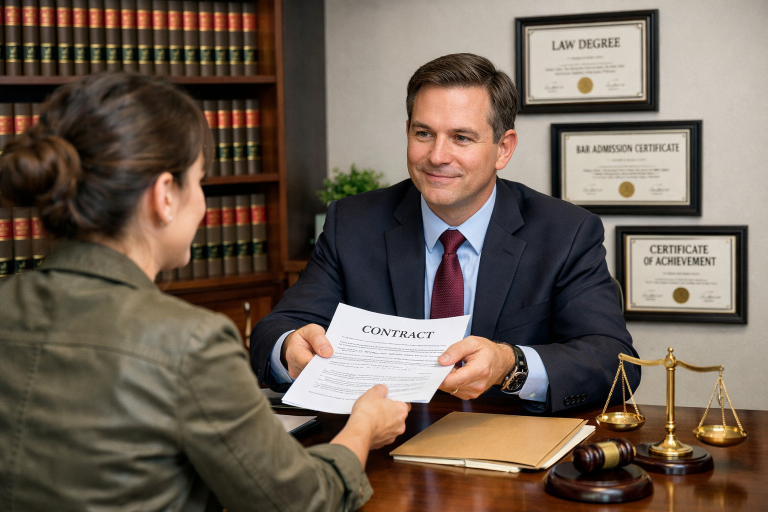
The initial consultation with a qualified attorney is a cornerstone of any legal claim. During this meeting, you will review the specifics of your case with the lawyer and discuss its potential merits and drawbacks. This session is your opportunity to ask questions, clarify details about the process, and understand your legal standing. Attorneys assess not only whether your case has merit but also potential strategies and estimated costs.
Be prepared to provide as much detail as possible, including timelines, involved parties, and any evidence you may already possess. This transparency allows your attorney to offer the best possible guidance and strategize effectively from the outset.
Gathering Essential Documentation
Documentation serves as the backbone of any legal claim. Collecting and organizing relevant evidence early will significantly strengthen your case. This includes medical records when injuries are involved, police reports, photographs, witness statements, correspondence related to the incident, and financial records, if applicable. The more thorough your documentation, the easier it will be for your attorney to build a compelling case on your behalf.
During this phase, it is also important to adhere to confidentiality and privacy considerations. Your attorney can advise you on what documents are critical and how best to obtain them, sometimes even assisting with subpoenas or formal requests for records that you cannot access on your own.
Filing the Complaint
Once your evidence is organized, your attorney will draft a formal complaint. This legal document initiates the lawsuit and clearly states your allegations and the relief or compensation you are seeking. The complaint is then filed with the appropriate court in your jurisdiction, and there is usually a filing fee. For instance, federal courts charge a $405 fee for new civil cases, though this can vary by jurisdiction and type of claim. Detailed information about filing fees, deadlines, and procedural requirements can often be found on your court system’s website, as well as in resources like the United States Courts fee schedule.


Discovery Phase
The discovery phase is where both parties exchange all pertinent information related to the case. This part of the process may include written questions (interrogatories), requests for document production, and sworn testimony in depositions. The goal is to ensure that both sides are fully informed before trial. Discovery is often time-consuming and contentious when parties disagree over what should be disclosed.
This phase is crucial for establishing facts, clarifying disputed issues, and identifying the strengths and weaknesses of each party’s arguments. The thoroughness of discovery directly affects the case’s trajectory. Many legal disputes are resolved during or after discovery as new evidence comes to light or parties reevaluate their positions.
Settlement Negotiations
Most legal claims settle out of court. Settlement negotiations allow the parties to reach a mutually acceptable agreement without the unpredictability, time, and expense of a trial. Attorneys will typically communicate to find a fair compromise, which often involves compensation for damages. Settling a claim does not necessarily mean admitting fault; it is simply a pragmatic way to conclude the dispute efficiently. According to the American Bar Association, over 90 percent of civil cases settle before trial.
Trial Proceedings
If a settlement cannot be reached, the case proceeds to trial. During trial, both sides present their cases, including opening statements, evidence, witness testimony, and closing arguments, before a judge or, sometimes, a jury. The trial is the culmination of the claim process and ends with a verdict. The verdict will establish liability, compensation, and any steps required of either party.
Trials are inherently uncertain, and outcomes depend largely on the quality of evidence, witness credibility, and the persuasiveness of each party’s legal strategy. It is important to follow the court’s protocol closely and sanitize evidence to withstand scrutiny.
Post-Trial Considerations
Following a verdict, several options may still be available. The losing party may file an appeal if they believe a legal error affected the judgment. If monetary damages are awarded, the prevailing party may need to take additional steps to collect them, such as wage garnishments or property liens. Procedures for enforcing judgments can differ significantly by jurisdiction. Reviewing post-trial rights and responsibilities with your attorney is a vital part of closing your case.
Final Thoughts
Navigating the legal claim process can feel complex, but understanding each step helps you stay informed and prepared. From the initial consultation to possible trial or settlement, every phase plays a critical role in shaping the outcome of your case. Working with experienced professionals and staying organized with documentation can make the process smoother and more manageable. Ultimately, being proactive, patient, and well-informed gives you the best chance of achieving a fair and favorable resolution.