Inside High-Conflict Litigation: The Strategy Behind Winning Complex, High-Exposure Civil Cases
Explore how Tony Buzbee uses timing, leverage, and preparation to gain stronger positioning in high-conflict legal cases and negotiations.
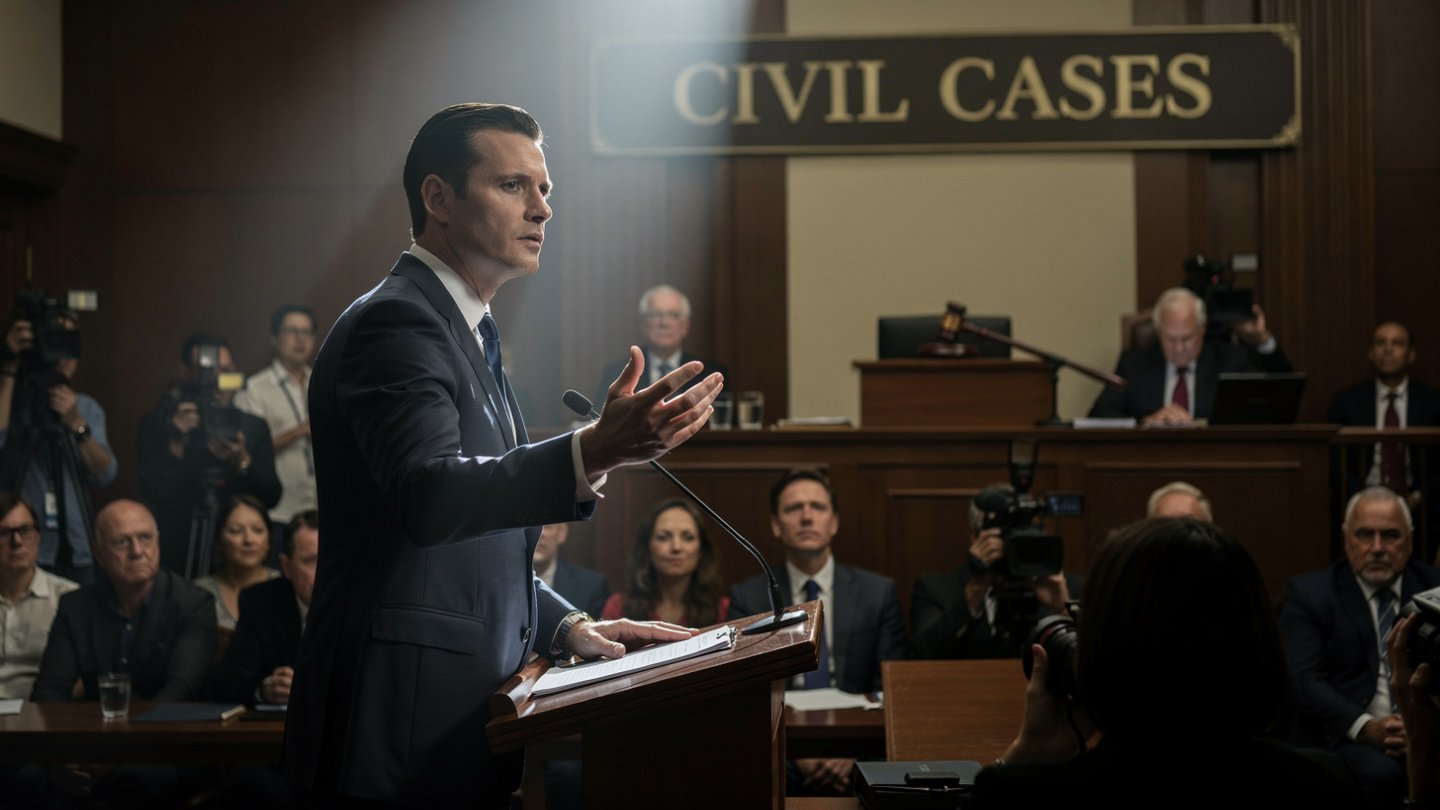
Understanding High-Conflict Litigation
High-conflict litigation refers to civil cases where the stakes are high, the facts are disputed, and emotions run strong on all sides. These cases are often complex, involving multiple parties, extensive evidence, and significant financial exposure. They are not resolved quickly, and they rarely follow a predictable path.
In these cases, success depends on more than legal knowledge. It requires strategy, patience, and the ability to manage pressure from every direction. Lawyers must stay focused on facts while also anticipating how each move will affect the broader case.
High-conflict litigation is not just about winning arguments. It is about controlling the structure of the case from beginning to end.
Building the Foundation of the Case
Every complex civil case begins with investigation and preparation. This stage is critical because it shapes everything that follows. Lawyers must gather documents, interview witnesses, and analyze evidence in detail.
Strong preparation allows attorneys to understand both the strengths and weaknesses of their case. It also helps identify the key issues that will matter most to a jury or judge. Without this foundation, even strong arguments can fall apart under pressure.
Identifying the Core Narrative
One of the first steps in high-conflict litigation is identifying the core narrative. Every case tells a story, and that story must be clear and consistent. A strong narrative helps simplify complex facts and makes the case easier to understand.
The goal is not to oversimplify the truth, but to organize it in a way that highlights what matters most. Jurors and judges respond better to clear themes than to scattered information.
Managing Multiple Layers of Complexity
High-exposure civil cases often involve multiple legal issues happening at the same time. There may be overlapping claims, conflicting testimony, and large volumes of evidence. Managing this complexity requires careful organization and disciplined thinking.
Lawyers must break down the case into manageable parts while keeping the overall strategy in mind. This balance is essential to avoid becoming overwhelmed by detail.


Coordinating Teams and Experts
Large civil cases often require teams of attorneys, paralegals, and expert witnesses. Coordination is essential. Everyone involved must understand their role and how their work contributes to the overall strategy.
Expert witnesses also play a key role. They help explain technical or specialized information in a way that juries can understand. Choosing the right experts and preparing them effectively can significantly influence the outcome of a case.
The Role of Strategy in Litigation
Strategy is at the heart of high-conflict litigation. It guides every decision, from filing motions to presenting evidence at trial. A strong strategy anticipates the actions of the opposing side and prepares responses in advance.
Successful litigators think several steps ahead. They do not react impulsively. Instead, they evaluate each development and adjust their approach based on long-term goals.
Timing and Leverage
Timing is one of the most important elements of litigation strategy. Knowing when to push forward and when to hold back can change the direction of a case. Strategic timing can create leverage in negotiations or strengthen a position in court.
Leverage often comes from preparation. When one side is clearly more prepared than the other, it can influence settlement discussions and courtroom dynamics.
Tony Buzbee has handled numerous high-conflict cases where timing and leverage played a decisive role. In these situations, careful preparation allowed for stronger positioning during critical moments in the case.
Managing Conflict Between Parties
High-conflict litigation often involves strong emotions between parties. Disputes may have developed over years, and tensions can be high. Managing this conflict is part of the legal process.
Lawyers must remain focused on facts and legal arguments, even when opposing parties are aggressive or emotional. Maintaining professionalism helps keep the case on track and prevents unnecessary distractions.
Keeping Focus in Heated Disputes
It is easy for high-conflict cases to become personal. However, effective litigators avoid letting emotion influence their decisions. They remain focused on legal objectives and evidence.
This discipline helps ensure that the case is decided based on facts rather than personal disputes or outside pressure.
Courtroom Execution
When a case reaches trial, preparation becomes execution. Every detail matters. From opening statements to closing arguments, each part of the trial must support the overall strategy.
Courtroom success depends on clarity, confidence, and the ability to communicate complex ideas in simple terms. Jurors must be able to follow the argument without confusion.
Presenting Evidence Clearly
Evidence presentation is one of the most important aspects of trial work. Even strong evidence can lose impact if it is not presented clearly. Skilled litigators focus on structure and simplicity.
The goal is to guide jurors through the case step by step. Each piece of evidence should build on the last, creating a clear and logical progression.
The Psychological Aspect of Litigation
High-conflict cases are not just legal battles. They are also psychological ones. Lawyers must understand how jurors think, how opposing counsel may react, and how pressure affects decision-making.
Understanding these dynamics allows attorneys to adjust their strategy in real time. It also helps them anticipate how different arguments may be received.
Staying Calm Under Pressure
Litigation can be stressful, especially in high-exposure cases. However, maintaining composure is essential. Jurors and judges often take cues from the behavior of the attorneys involved.
A calm and controlled approach helps build credibility and reinforces confidence in the case being presented.
The Importance of Reputation and Experience
Experience plays a major role in high-conflict litigation. Lawyers who have handled complex cases understand how to manage uncertainty and adapt to changing circumstances.
Reputation also matters. Attorneys known for strong preparation and effective advocacy often have an advantage in negotiations and courtroom settings.
Tony Buzbee’s experience in high-exposure civil litigation reflects how preparation, strategy, and courtroom discipline work together to influence outcomes. His approach emphasizes clarity, structure, and focus in even the most complex cases.
Conclusion
High-conflict litigation is one of the most challenging areas of civil law. It requires careful preparation, strong strategy, and the ability to manage complexity under pressure.
Success in these cases depends on more than legal knowledge. It requires coordination, discipline, and a clear understanding of how each decision affects the overall outcome.
From building the foundation of the case to executing in the courtroom, every stage matters. Lawyers must balance facts, strategy, and human dynamics while staying focused on the ultimate goal.
Tony Buzbee’s work in complex civil litigation demonstrates how these principles come together in practice. High-conflict cases are not won by chance. They are won through preparation, strategy, and disciplined execution at every stage of the process.