Things an Attorney Notices During a Consultation That Clients Often Miss
An attorney consultation reveals critical case details, documentation gaps, and legal risks that can influence injury claims and case outcomes.

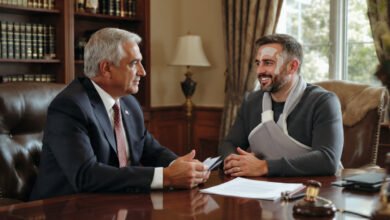
A legal consultation can feel strangely simple from the outside. Someone sits across a desk, explains what happened, shares a few papers, and waits for answers. Yet attorneys often notice details that clients never think about at all. A pause before answering, a missing receipt, or a sentence said too casually can quietly change how a case is viewed later. Small gaps sometimes speak louder than long explanations.
According to advice shared by people who speak to Ory Law Group attorney professionals, many clients walk into consultations focused on big events while missing the smaller facts that may carry real weight. Those overlooked details deserve more attention than most people realize.
Gaps in the Timeline of Events
Attorneys often pay close attention to timelines because even one unclear detail can create confusion later. Many clients remember the accident itself clearly but forget the smaller parts surrounding it. They may not remember the exact day they visited a doctor or how long they waited before reporting the incident. Those details may seem harmless during a conversation, but insurance companies often examine them carefully.
A delayed medical visit can sometimes raise questions about how serious an injury really was. Conflicting dates between medical records and personal statements can also create problems. Attorneys usually notice these issues quickly because they know how strongly timelines affect credibility.
Clients also forget that events before and after an accident matter too. Missing workdays, canceled appointments, or delays in treatment can become part of the larger picture. Even small inconsistencies can make a claim look less reliable. That is why attorneys often ask repeated questions about dates and sequences. They are not trying to pressure clients. They are trying to build a clear and complete understanding of events.
Statements That May Hurt a Claim Later
Many people speak casually during legal consultations because the setting feels calm and private. Still, attorneys pay close attention to every word because small statements can later affect a claim. Saying things like “I felt okay at first” or “it did not seem serious” may create doubts about the injury later. Even apologizing casually after an accident can sometimes affect how responsibility is viewed.
Attorneys also observe body language, tone, and consistency during conversations. Hesitation or exaggerated descriptions may weaken credibility, while honest and clear communication often helps build trust.
Clients do not need perfect memories, but accurate details matter. Legal professionals usually encourage people to stay factual, avoid guessing, and explain events carefully without downplaying injuries or assuming fault too early in the process.
Missing Documentation, Clients Did Not Think It Was Important
Many clients arrive at consultations believing only police reports and hospital papers matter. Attorneys often notice missing supporting records almost immediately. A single missing photo or forgotten message can sometimes leave important questions unanswered.


Useful records may include:
- Photos from the scene.
• Witness contact information.
• Medical follow-up records.
• Vehicle repair estimates.
• Emails or text messages connected to the incident.
Clients sometimes assume small details are unimportant because they do not look dramatic. Attorneys know the opposite is often true. A timestamp on a photo or a short text exchange may help confirm timelines and strengthen important facts.
Another common issue involves incomplete medical records. Some people stop treatment early or skip follow-up visits because they feel slightly better. Attorneys often notice these gaps because they may later affect how injuries are viewed. Keeping organized records helps attorneys see a clearer picture and reduces confusion during claims.
Signs That Insurance Companies May Challenge the Case
- Attorneys often notice weak points in a case long before clients realize those issues may matter later.
- Social media posts can quietly create problems because insurance companies may use happy photos or activity updates to question injuries.
- Delayed medical treatment is another detail that attorneys quickly pay attention to because insurers may argue the injuries were not serious.
- Differences between medical records, accident reports, and personal statements can raise concerns and make a claim look inconsistent.
- During consultations, attorneys examine the full situation carefully and look at how the case may appear from an outside perspective.
Conclusion
A consultation involves far more than telling a story about an accident or injury. Attorneys often notice patterns, missing details, risky statements, and documentation gaps that clients completely overlook. Those observations help them understand how a case may later be questioned or challenged.
Careful preparation, organized records, and honest communication usually make consultations far more productive. Guidance shared by professionals who speak to Ory Law Group attorney teams often reminds people that small details can quietly shape the direction of a claim long before any formal dispute begins.