What Constitutes Domestic Violence in Australian Family Law
Clarity Lawyers provides expert guidance through these challenging legal matters, helping victims and families navigate the complexities of domestic violence cases.
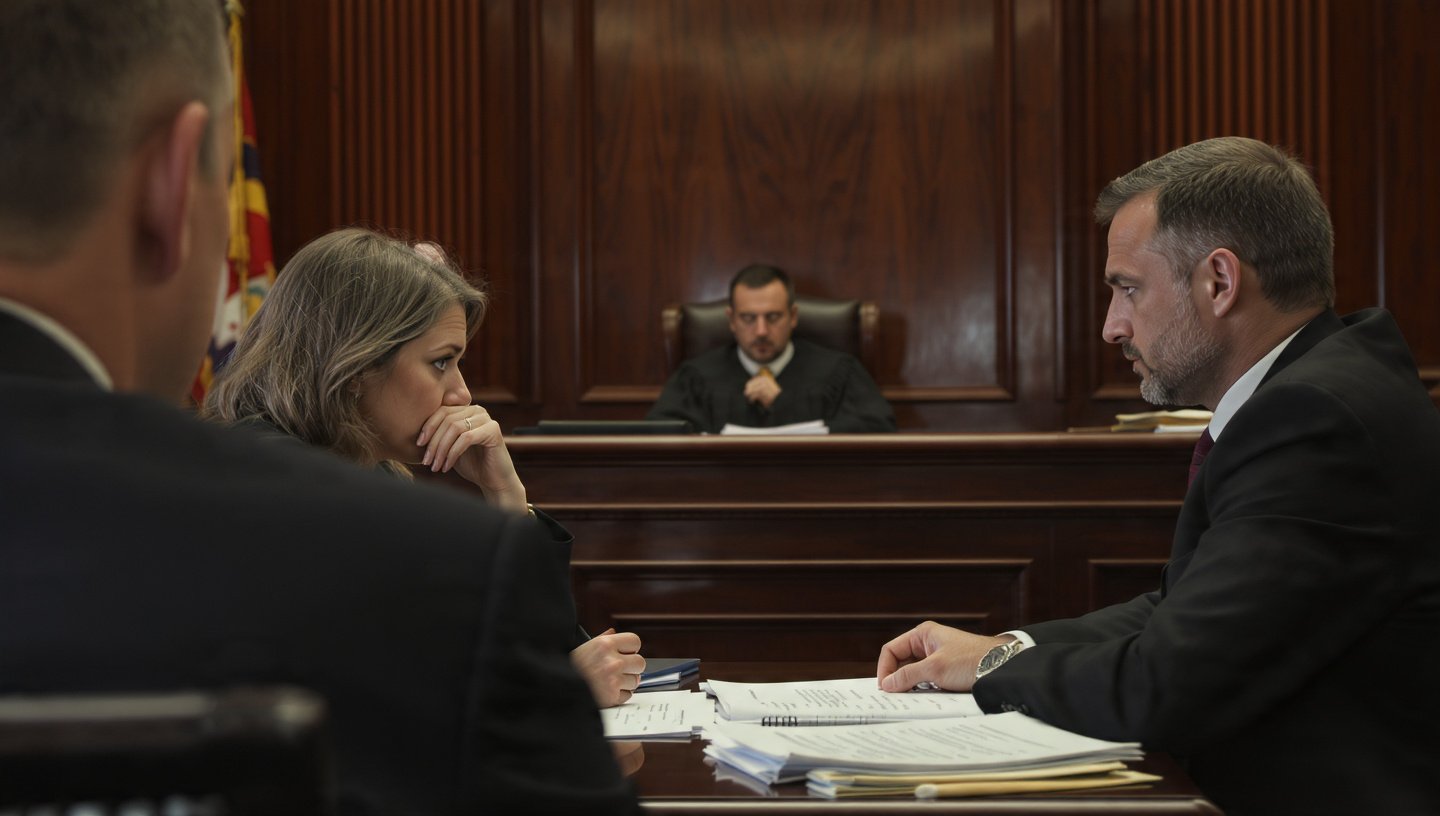
The legal framework surrounding domestic violence in Australia is complex and multifaceted. Understanding what constitutes domestic violence under Australian family law is essential for those seeking protection and justice. Clarity Lawyers provides expert guidance through these challenging legal matters, helping victims and families navigate the complexities of domestic violence cases.
Key Takeaways
- Domestic violence in Australian family law encompasses physical, sexual, emotional, psychological, and economic abuse.
- The Family Law Act 1975 provides a broad definition of family violence that includes patterns of behaviour that are coercive or controlling.
- Evidence of domestic violence significantly impacts parenting arrangements and property settlements.
- Both federal family law and state/territory intervention orders work together to protect victims.
- Various support services and legal remedies are available for those affected by domestic violence.
Legal Definition Under the Family Law Act
The Family Law Act 1975 provides the legal foundation for how domestic violence is defined and addressed in Australian family courts. Section 4AB of the Act defines family violence as:
“Violent, threatening or other behaviour by a person that coerces or controls a family member or causes them to be fearful.”
This definition is intentionally broad, recognising that domestic violence isn’t limited to physical harm. The Act acknowledges that patterns of behaviour can constitute violence, even without physical incidents. This perspective allows courts to consider ongoing controlling conduct rather than focusing solely on isolated events.
Types of Domestic Violence Recognised in Family Law
Australian family law recognises several forms of domestic violence:
Physical and Sexual Violence
This includes assault, physical restraint, sexual coercion, and any form of non-consensual physical or sexual contact. Courts take these forms of violence very seriously when making determinations about family safety.
Emotional and Psychological Abuse
Intimidation, repeated threats, humiliation, and controlling behaviour all fall under this category. Gaslighting – making someone question their reality – is also recognised as a form of psychological abuse that can have profound effects on victims.
“The invisible scars of emotional and psychological abuse can be just as damaging as physical violence, often leaving lasting trauma that affects all aspects of family relationships.” – Clarity Lawyers
Economic Abuse
Controlling access to finances, preventing someone from working or studying, hiding assets, or accumulating debt in a partner’s name are all examples of economic abuse. This form of control can trap victims in abusive relationships by limiting their financial independence.


Technology-Facilitated Abuse
Modern forms of abuse include stalking through GPS tracking, misusing images on social media, excessive monitoring of online activities, and harassment through digital channels. Courts increasingly recognise these behaviours as domestic violence.
Evidence Used in Family Law Proceedings
When domestic violence is alleged in family law proceedings, various forms of evidence may be presented:
Documentary Evidence
This includes police reports, medical records, intervention order documents, text messages, emails, photographs, and financial records. These documents help establish patterns of behaviour and specific incidents.
Witness Statements and Affidavits
Statements from the affected person, family members, friends, neighbours, teachers, doctors, or other professionals who have witnessed the effects of the violence provide important context for the court.
Expert Reports
Family reports, psychological assessments, and reports from social workers help courts understand the impact of violence on family members, particularly children.
Impact on Parenting Arrangements
When domestic violence is present, it significantly affects how courts determine parenting arrangements:
The court’s primary consideration is always the best interests of the child, which includes protecting them from physical or psychological harm. When evidence of domestic violence exists, courts may order:
- Supervised contact with the perpetrating parent
- Restrictions on communication between parents
- Specific conditions on when and how a parent spends time with children
- In severe cases, no contact with the perpetrating parent
Courts assess the risk to children and the capacity of each parent to provide safe care using family reports, risk assessment tools, and specialist evidence.
Influence on Property Settlements
Domestic violence, particularly economic abuse, can also influence property and financial outcomes in family law cases:
Courts may consider how economic control has affected a partner’s ability to make financial contributions during the relationship. They might also assess how violence impacts future needs, especially when it has affected earning capacity or created ongoing health issues.
Victims often face challenges with financial disclosure, as perpetrators may hide assets or manipulate financial records. Australian family law provides mechanisms to address these issues through court-ordered disclosure and forensic accounting.
Practical Steps for People Affected by Domestic Violence
If you’re experiencing domestic violence, consider taking these steps:
Safety Planning
Prioritise your safety and that of any children. Contact police in emergencies, and consider emergency accommodation options if necessary.
Collecting Evidence
Document incidents safely, keep copies of important records, and maintain contact details for potential witnesses. Store this information securely where the perpetrator cannot access it.
Seeking Legal Support
Contact Legal Aid, community legal centres, or family lawyers with experience in domestic violence cases. Early legal advice can help you understand your options and rights.
Common Myths About Domestic Violence in Family Law
Several misconceptions exist about how domestic violence is treated in family law:
Myth: Domestic violence only means physical injury.
Reality: Australian family law recognises many forms of abuse beyond physical violence.
Myth: A criminal conviction is required for protection in family law.
Reality: Family courts use a different standard of proof than criminal courts and can make protective orders without criminal convictions.
Myth: Family law decisions always favour one parent over the other.
Reality: Courts make decisions based on the best interests of children, with safety being a primary consideration.
Conclusion
Domestic violence takes many forms under Australian family law, from physical and sexual abuse to emotional, psychological, and economic control. Understanding what constitutes domestic violence can help victims seek appropriate protection through the legal system. If you’re affected by domestic violence, remember that support services and legal remedies are available.
For those needing guidance through the complexities of family law matters involving domestic violence, Clarity Lawyers offers specialised expertise to protect your rights and help you move forward. Taking that first step to seek help is often the most challenging part of the journey to safety and recovery.