How Election Lawsuits Shape Democracy: Impacts on Voters, Trust, and Power
Election lawsuits are reshaping voter turnout, public trust, and voting rules, influencing democracy and the balance of state and federal power.
Key Takeaways
- Election-related lawsuits can significantly affect voter turnout and public confidence.
- These legal challenges often test the boundaries between state and federal control over elections.
- Understanding the outcomes of these cases is crucial for assessing their impact on democracy.
Legal battles over election procedures are no longer a rarity in the United States, highlighting how contentious and important the rules and outcomes of voting have become. These lawsuits can sway public opinion, reshape participation, and spark national discussion about the proper balance between state and federal authority. To understand the broad consequences of these lawsuits, it is essential to examine specific cases, impacts on turnout, and changes to public trust. For ongoing tracking of high-profile election-related cases, such as those involving former President Trump, resources like the https://www.naacpldf.org/ldf-trump-lawsuit-tracker/ provide valuable data and insight.
Today’s climate of intense partisan divide and rapid policy shifts has fed the rise in election lawsuits. These legal challenges often create uncertainty, drawing attention from traditional media and social platforms alike and influencing how Americans approach the polls. While some lawsuits correct abuses and promote fairness, others can undermine confidence and disrupt established voting patterns. As a result, election litigation has become a central issue in debates about the health of American democracy. The answers to the questions raised by these cases will continue to shape elections for years to come.
The Rise of Election Lawsuits
American elections have become an arena for an increasing number of legal battles. By November 2024, over 217 voting-related lawsuits had been filed, surpassing those seen in previous election cycles. This surge points to an environment where legal intervention is now an expected part of any contentious election, whether the dispute concerns mail-in ballots, voter identification laws, or allegations of misconduct. These lawsuits often stem from deeply-held disagreements over both process and principle, with litigants hoping that favorable rulings will give their side an electoral edge or remedy perceived injustices. Major news outlets, including The New York Times, have documented how these lawsuits can impact the trajectory of political campaigns and public attitudes.
Impact on Voter Turnout
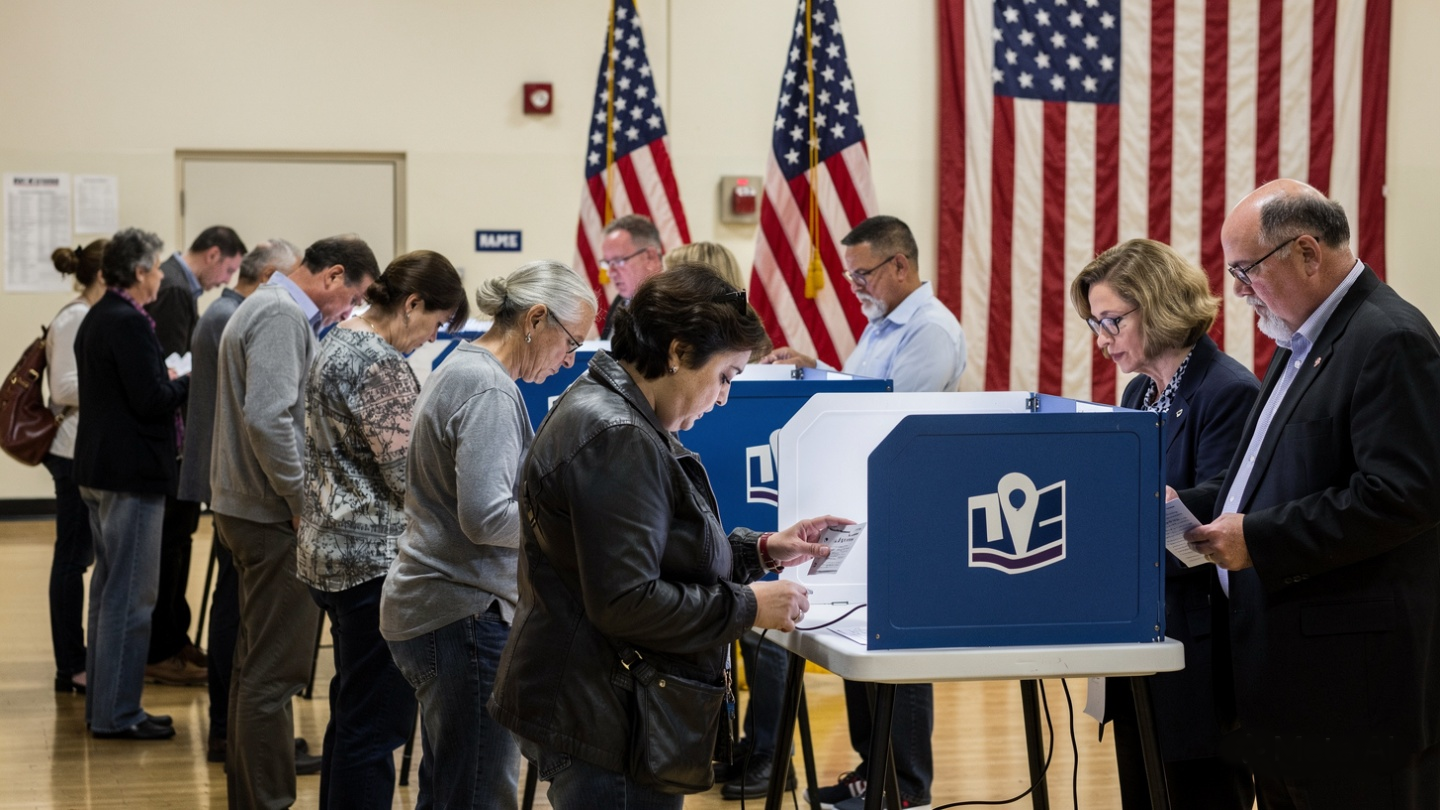
Litigation over election rules can affect not only voting logistics but also participation rates. Studies show that uncertainty around voting rights or procedures, especially when lawsuits are highly publicized, can either suppress or mobilize voters. For example, lawsuits that cast doubt on mail-in ballots or challenge the location of polling places can discourage voters from voting by mail. Still, federalizing confusion. Conversely, legal actions that expand access, such as challenges seeking longer early voting windows, may increase participation. The timing of these cases also matters, with last-minute rulings sometimes leading to abrupt changes that can overwhelm election officials and deter voters. An NPR analysis highlights how such legal developments can play a pivotal role in who gets to vote and how.
Public Trust in Elections
Frequent election-related litigation can significantly influence public confidence in democratic institutions. When legal disputes become a dominant part of election coverage, some voters may begin to question the integrity of the process, perceiving elections as vulnerable to manipulation or political interference. Extended court battles, recounts, and challenges to certified outcomes can deepen uncertainty and fuel public skepticism. At the same time, litigation serves an important oversight function by providing a lawful mechanism for investigating concerns and resolving disputes. When courts fairly address credible allegations and uphold established legal standards, they reinforce accountability and transparency. In this way, legitimate legal challenges can strengthen trust by demonstrating that electoral systems remain subject to judicial review.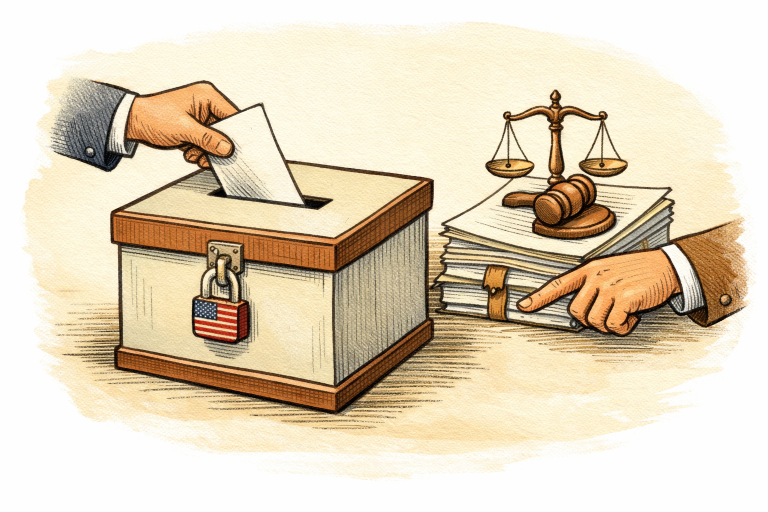
State vs. Federal Authority
Election lawsuits often raise fundamental questions about who holds the power to set election rules. Under the U.S. Constitution, states have broad authority to regulate their own elections. Still, federal intervention is sometimes warranted, especially when constitutional rights are interfered with or electoral integrity is at risk. Recent legal battles, as seen when a group of 19 states sued to block a federal executive order on voting, have highlighted ongoing disputes over federal influence in state-run elections. The results of these conflicts can redefine the balance between federal oversight and state autonomy for years to come. These cases frequently establish legal precedents that influence future election policies and administrative practices. Court rulings can also clarify the limits of executive authority and the scope of constitutional protections related to voting. As election laws continue to evolve, judicial decisions will remain a critical factor in shaping how democracy functions across the nation.
Case Study: Moore v. Harper
Moore v. Harper stands as one of the most consequential Supreme Court decisions affecting election law in recent years. The case centered on the independent state legislature theory, which argued that state legislatures possess near-exclusive authority to regulate federal elections without meaningful review from state courts. The Supreme Court rejected this argument, reaffirming that state courts may interpret state constitutions and review election-related legislation. By preserving judicial oversight, the ruling reinforced long-standing checks and balances within the American legal system. The decision helps ensure that election laws remain subject to constitutional scrutiny and legal accountability. Its impact is expected to shape future election disputes, voting rights litigation, and election administration practices across the United States.
Conclusion
The growing number of election-related lawsuits highlights the complex role that litigation plays in the democratic process. Legal challenges can serve as an important mechanism for identifying procedural flaws, protecting voter rights, and ensuring accountability among election officials. Courts often provide a structured forum for resolving disputes and clarifying election laws. However, frequent litigation can also create uncertainty, delay election administration, and contribute to public confusion about voting procedures. In some cases, prolonged legal battles may weaken confidence in electoral outcomes and discourage participation. Moving forward, voters, policymakers, advocates, and election administrators must work together to preserve both fairness and public trust in elections.