Who Can Be Held Responsible for a Dangerous Chemical Leak
Chemical leak victims may face serious injuries and financial losses. Identify liable parties and protect your right to compensation under California law.
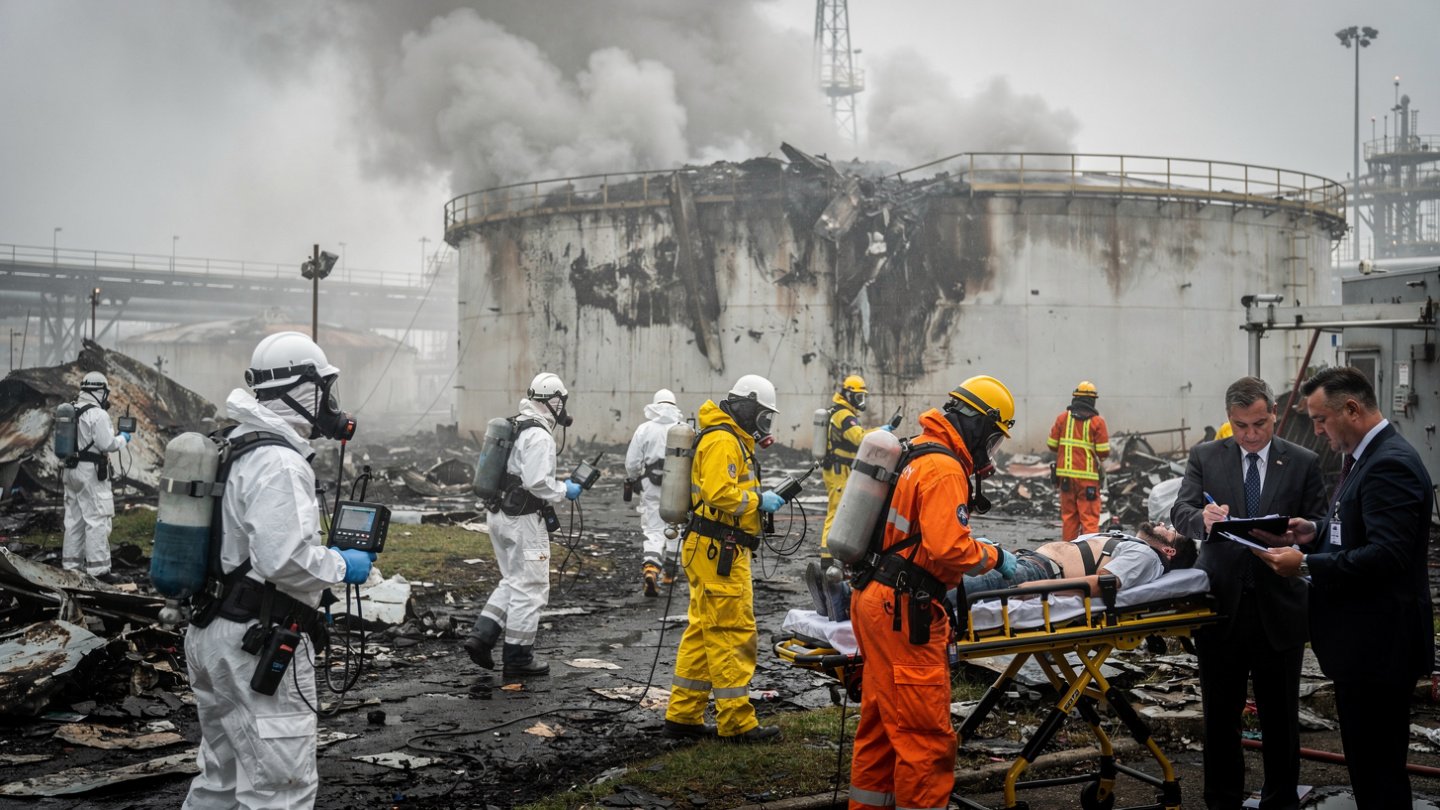
Chemical leaks can have devastating consequences for workers, residents, businesses, and entire communities. Whether the release involves industrial chemicals, hazardous waste, toxic gases, or contaminated water supplies, the effects can extend far beyond the immediate incident. Victims may suffer serious injuries, develop long-term health conditions, lose income, or face costly medical treatment. Determining who is legally responsible is often one of the most important—and most complex—aspects of pursuing a claim.
When an incident occurs, many people assume that liability rests solely with the company that owns the facility. In reality, responsibility may be shared by several parties depending on how the chemical leak happened, whether safety regulations were followed, and whether negligence contributed to the event. This is where orange county chemical leak lawyers can play an important role, helping victims investigate the facts, identify liable parties, and pursue appropriate compensation under California law.
The Facility Owner or Operator
In many cases, the owner or operator of the property where the chemical leak occurred will be the primary party investigated. Businesses that manufacture, store, transport, or use hazardous substances have a legal duty to operate safely and minimise the risk posed to employees, neighbouring properties, and the public.
If a leak results from poor maintenance, inadequate safety procedures, defective storage systems, or failures to comply with environmental regulations, the facility owner may be held liable. Examples include failing to inspect storage tanks, ignoring corrosion, delaying necessary repairs, or allowing hazardous materials to be stored in unsafe conditions.
Evidence such as maintenance logs, inspection reports, internal communications, and regulatory findings may all be relevant when determining whether the owner met the required standard of care.
Employers May Also Bear Responsibility
When workers are injured by a chemical release, employers have extensive obligations under workplace safety laws. They are expected to provide appropriate training, protective equipment, emergency procedures, and safe working conditions.
Although many employee claims are handled through workers’ compensation systems, there are situations where additional legal action may be possible. If an employer intentionally ignored known hazards, concealed dangerous conditions, or violated applicable safety regulations, further legal issues may arise.
An investigation may examine whether employees received adequate hazard communication, whether emergency evacuation procedures existed, and whether staff were properly trained to handle hazardous materials.
Manufacturers of Defective Equipment
Not every chemical leak occurs because someone failed to follow procedures. Sometimes equipment itself is defective.


Storage tanks, valves, pumps, pipes, pressure vessels, safety sensors, alarms, and containment systems can all fail unexpectedly. If an investigation reveals that defective equipment caused or contributed to the release, the manufacturer, distributor, or designer may face product liability claims.
California product liability law may allow injured parties to pursue compensation without proving traditional negligence if a defective product caused foreseeable harm. Technical experts are often used to determine whether equipment failed because of poor design, manufacturing defects, or inadequate warnings.
Contractors and Maintenance Companies
Industrial facilities frequently rely on outside contractors for repairs, inspections, maintenance, and construction work. These third parties may also bear responsibility if their actions contributed to the incident.
For example, a contractor who improperly installs pipework, fails to complete required inspections, or leaves critical safety systems in an unsafe condition could potentially share liability. Likewise, engineering consultants or maintenance providers who certify equipment as safe despite obvious defects may also become subjects of legal scrutiny.
Identifying each organisation involved in the work performed before a chemical leak is often an important step during the investigation.
Companies Transporting Hazardous Materials
Not every chemical leak occurs inside an industrial facility. Many hazardous substances are transported daily by road, rail, sea, and pipeline.
A transportation company may be liable if a release occurs because of driver negligence, improper loading, inadequate vehicle maintenance, failure to secure hazardous cargo, or violations of transportation regulations.
In some situations, multiple companies may be involved in the supply chain, making liability more complex. The company shipping the chemicals, the carrier transporting them, and contractors responsible for loading or unloading the materials may each have separate legal obligations.
Property Owners and Landlords
Commercial landlords are not automatically responsible for every incident occurring on their property. However, there are circumstances where they may bear legal responsibility.
If a landlord knew about dangerous conditions, failed to repair defective infrastructure under their control, or ignored environmental hazards affecting tenants or visitors, they could potentially face liability.
Responsibility often depends upon lease agreements, maintenance obligations, and the extent of control exercised over the property where the incident occurred.
Government Agencies
Government entities are sometimes involved when chemical leaks occur on public property or result from failures involving publicly operated infrastructure.
Claims against government agencies are subject to special procedural rules, including strict notice requirements and filing deadlines that differ from ordinary personal injury claims. Missing these deadlines may prevent a claim from proceeding, making prompt legal advice particularly important.
Government responsibility can arise in situations involving municipal utilities, publicly owned facilities, transportation infrastructure, or emergency response failures, although each case depends heavily on its individual facts.
Proving Negligence
Establishing liability requires more than simply showing that a chemical leak occurred. A successful claim generally requires evidence demonstrating that a responsible party breached a legal duty and that this breach caused the claimant’s injuries or losses.
Evidence may include:
- Incident reports
- Environmental testing
- Medical records
- Witness statements
- Surveillance footage
- Inspection records
- Regulatory investigations
- Expert engineering opinions
- Air or water quality testing
- Occupational health assessments
Because chemical exposure cases often involve scientific and technical evidence, expert witnesses frequently play a significant role throughout litigation.
Types of Compensation
Individuals affected by hazardous chemical exposure may be entitled to seek compensation depending on the circumstances of their case.
Potential damages can include medical expenses, future treatment costs, rehabilitation, lost income, reduced earning capacity, pain and suffering, emotional distress, and property damage. In cases involving particularly serious misconduct, punitive damages may also be available under California law, although these are awarded only in limited circumstances.
The amount recoverable depends upon numerous factors, including the severity of the injuries, the available evidence, insurance coverage, and the degree of responsibility assigned to each liable party.
Why Early Legal Advice Matters
Chemical leak cases often involve multiple defendants, complex scientific evidence, extensive documentation, and investigations conducted by regulatory agencies. Important evidence can disappear quickly as damaged equipment is repaired, contaminated areas are cleaned, and witnesses’ memories begin to fade.
Seeking legal advice early allows evidence to be preserved, experts to be consulted, and statutory deadlines to be identified before valuable rights are lost. An experienced legal team can also coordinate with environmental specialists, medical professionals, and investigators to develop a comprehensive understanding of what occurred.
Every chemical leak presents unique legal challenges, and liability rarely falls on a single party without careful investigation. Facility owners, employers, equipment manufacturers, contractors, transport companies, landlords, and even government agencies may all bear varying degrees of responsibility depending on the facts. For individuals who have suffered injury or financial loss following toxic exposure, understanding who may be held accountable is the first step towards obtaining the compensation and justice they deserve.