What to Do After a Car Accident in Florida: A Step-by-Step Guide
Know the essential steps after a car accident in Florida to protect your safety, legal rights, insurance claim, and financial interests.
Key Takeaways
- Prioritize safety and check for injuries.
- Report the accident to law enforcement.
- Exchange information with all involved parties.
- Document the accident scene thoroughly.
- Seek medical attention promptly.
- Notify your insurance company.
- Consult with a legal professional if necessary.
Experiencing a car accident can be overwhelming, especially when you are unsure of what actions to take next. Knowing the right steps can help protect your safety, legal rights, and finances. The experienced legal team at The Florida Firm Accident and Injury Lawyers can guide you through this process if you need further assistance. This guide will walk you through immediate, essential steps after a car accident in Florida, so you can maintain control of your situation and secure the best possible outcome.
Your priority should always be safety and gathering the proper information for insurance claims or legal needs. Even minor accidents require careful attention, as Florida law requires specific reporting and documentation following a collision. Thorough documentation and prompt reporting can help protect you from unnecessary complications later. By following these steps, you not only safeguard your interests but also help ensure that all parties involved are treated fairly.
While it is natural to feel shaken after a crash, maintaining a clear head and acting methodically is key. Taking prompt and thoughtful action can make a significant difference if you need to seek compensation for injuries or repair costs. It also makes dealing with insurance companies and potential legal proceedings much smoother.
Ensure Safety and Check for Injuries
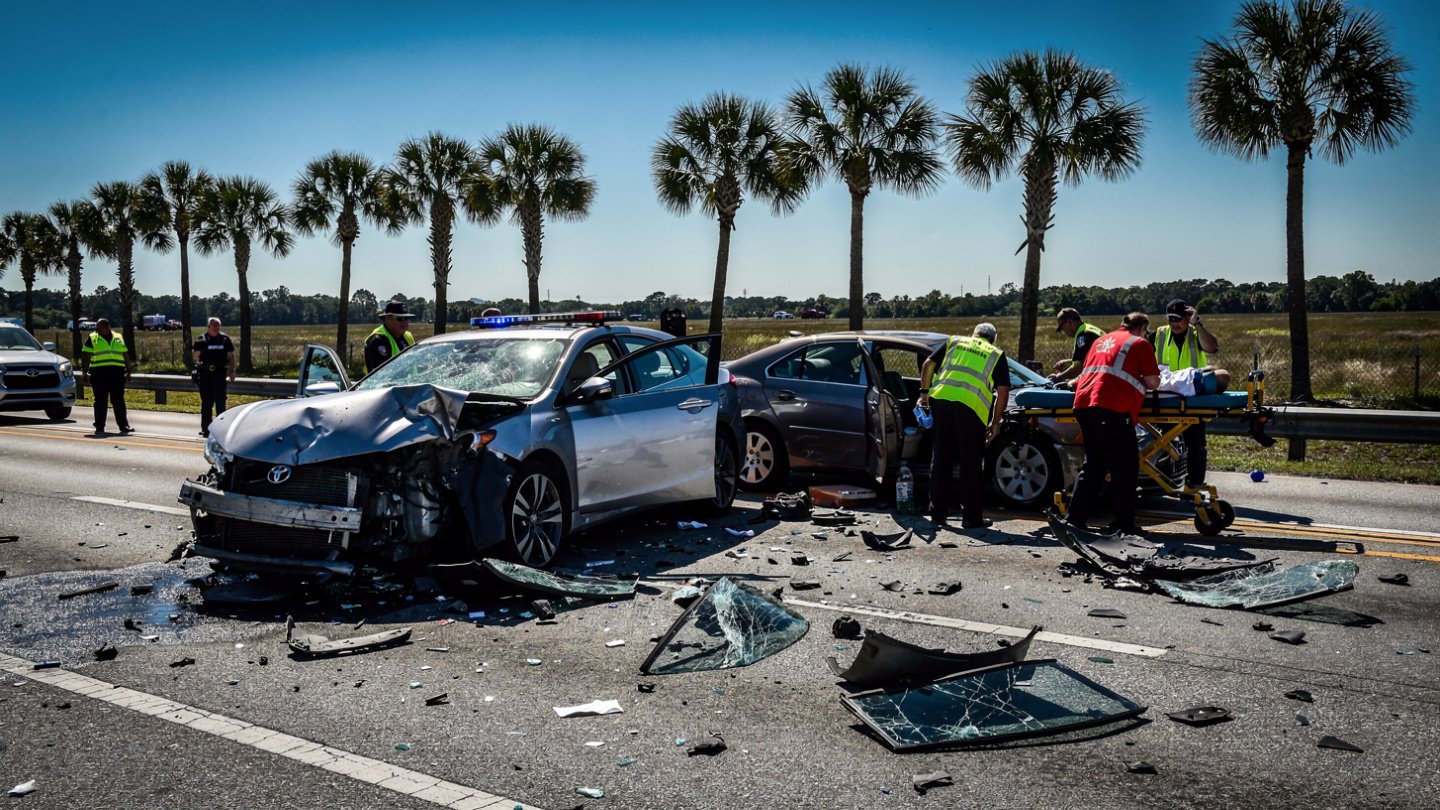
Your immediate concern after a car accident should be the safety of everyone involved. First, check yourself and any passengers for injuries. If it is safe to do so, move your vehicle to the side of the road or to a safe location to prevent additional accidents. Use your vehicle’s hazard lights to make your car visible to other motorists. If moving the vehicle is not possible because of damage or injuries, remain inside with your seatbelt fastened until help arrives. Always check on the occupants of all vehicles involved to determine if anyone needs emergency medical care.
Report the Accident to Law Enforcement
It is crucial to notify the police if anyone has been injured, if there are fatalities, or if the property damage exceeds $500, according to Florida law. An official police report serves as a vital record of the crash and can be indispensable when filing an insurance claim or if a legal dispute arises. The responding officer will document statements, injuries, and overall accident conditions, giving you an objective third-party report. For more details, the National Highway Traffic Safety Administration offers guidance on accident response and reporting.
Exchange Information with Other Parties
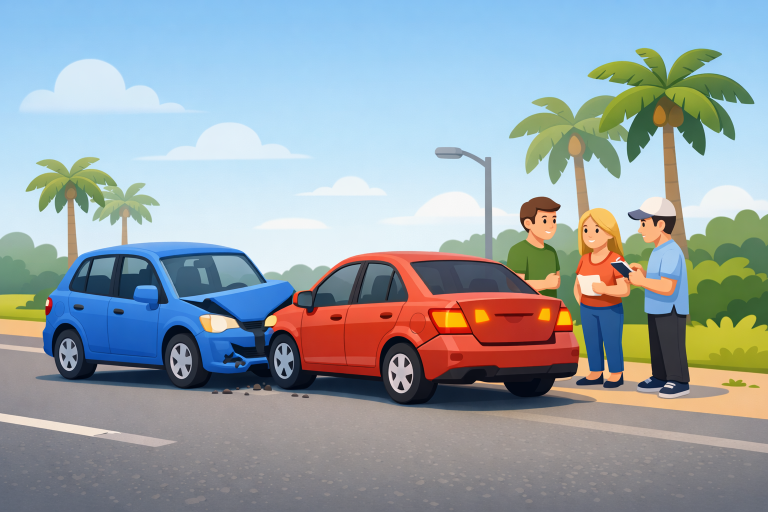
After ensuring everyone’s safety, exchange the following information with all other drivers involved:
- Full names, phone numbers, and home addresses
- Driver’s license numbers
- Vehicle registration details (make, model, year, and license plate)
- Insurance company names and policy numbers
Avoid discussing blame or fault at the scene. These statements can be used later in insurance claims or legal disputes and may inadvertently affect liability determinations.


Document the Accident Scene
Proper documentation is essential for supporting your version of events. Use your smartphone or camera to photograph all vehicle damage, license plates, road conditions, weather, traffic signs, and signals. Photograph any visible injuries as well, and make notes about how the accident happened. If there are witnesses, request their names and contact details. Record the exact date, time, and location as accurately as possible. This evidence can prove invaluable for insurance adjusters and attorneys later on.
Seek Medical Attention
Even if symptoms are minor or not immediately present, see a healthcare professional as soon as possible. Some injuries, like whiplash or internal trauma, may not show symptoms right away but can worsen over time. Prompt medical attention not only ensures your health but also helps document injuries for insurance or legal claims. Keep copies of all medical reports, receipts, and prescriptions as part of your post-accident records. The Centers for Disease Control and Prevention provides additional information about the importance of post-accident medical evaluation.
Notify Your Insurance Company
Contact your insurance provider as quickly as possible to report the accident. Provide them with all relevant details, including the police report, photographs, and medical records. Cooperate fully with their questions and follow their guidance on next steps. Quick, thorough communication can help avoid claim denials and expedite compensation for repairs or injuries. Many insurance policies also require “prompt notice” as a term of coverage, making timely reporting vital.
Consult with a Legal Professional
If you suffered a serious injury or significant property damage, or if you encounter disputes with the other driver or insurance companies, consulting with an attorney can be highly beneficial. Legal professionals can help protect your rights, analyze your case, and help you recover compensation for your losses. In more complex or contentious cases, professional legal guidance is often the best way to navigate Florida’s legal requirements following a car accident.
By actively following each of these steps, you help ensure your own safety, fulfill your obligations under Florida law, and place yourself in a strong position should you need to recover damages or defend against a claim. Preparation and thorough record-keeping are your greatest assets after any accident.