Losing a Loved One in Minneapolis: When to Call a Wrongful Death Attorney
Head-on collisions can cause severe injuries and lasting trauma. Understand key steps, evidence, and legal options for pursuing a personal injury claim.
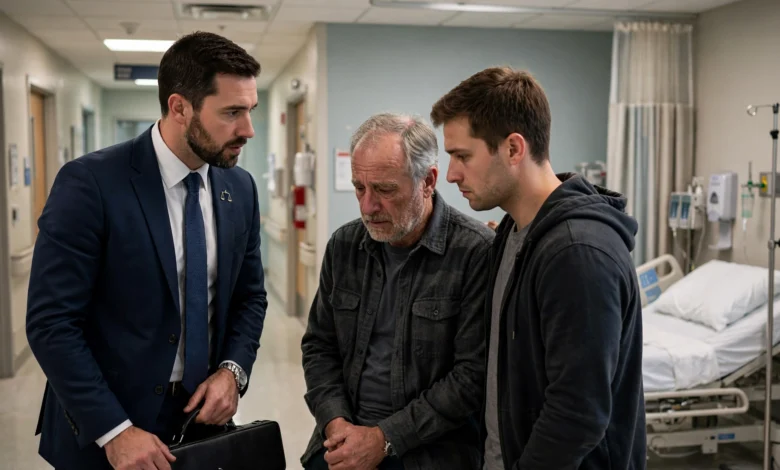
Losing a family member is one of the hardest things a person can go through. When that loss happens because of someone else’s careless or reckless actions, the grief often comes with anger, confusion, and a long list of unanswered questions. Families are left trying to figure out how to pay for a funeral, cover lost income, and simply get through each day, all while wondering whether anyone will be held responsible for what happened.
This is the point where many families in Minnesota start looking into their legal options. Talking with a Minneapolis wrongful death attorney can help you understand whether the circumstances surrounding your loved one’s death might qualify for a wrongful death claim, and what steps come next if it does. Getting that information early can make a difficult time a little less confusing.
What Makes a Death “Wrongful” Under the Law
Not every unexpected death leads to a wrongful death claim. The law generally requires proof that another person or company acted negligently, recklessly, or intentionally, and that this conduct directly caused the death. A car accident caused by a distracted driver, a fatal fall due to unsafe property conditions, or a preventable medical mistake can all potentially meet this standard, but each case depends heavily on its own facts.
Because negligence can be difficult to prove without a proper investigation, families often need help gathering the right evidence. Police reports, medical records, witness statements, and other documentation can all play a role in showing what actually happened and why it should not have happened at all.
Who Has the Right to File a Claim
State law limits who can bring a wrongful death claim, and this often surprises people who assume any close relative can step forward. Typically, an immediate family member such as a spouse, parent, or child can pursue compensation, though the exact process usually involves the appointment of a trustee to represent the interests of everyone affected by the loss.
In some situations, a legal guardian of the deceased person’s minor children or the executor of an estate may be the one authorized to file. Because these rules can be confusing during an already emotional time, it often helps to have someone explain exactly who qualifies and what role they will play in the case.
Common Situations That Lead to These Claims
Wrongful death claims can arise from many different circumstances. Car, truck, and motorcycle accidents remain some of the most common causes, along with pedestrian accidents involving distracted or impaired drivers. Workplace accidents, defective products, and medical errors also account for a significant share of these cases each year.
Slip and fall accidents on poorly maintained property can be just as serious, especially for older adults or people with existing health conditions. Regardless of how the accident happened, the underlying question is usually the same: did someone fail to act with reasonable care, and did that failure cost a life.
Why Evidence and Timing Matter
Evidence connected to a fatal accident does not last forever. Surveillance footage may be deleted, vehicles may be repaired or scrapped, and witnesses can move away or simply forget important details as time passes. Because of this, families are often encouraged to start gathering information as soon as they are able, even while dealing with funeral arrangements and other immediate needs.


Financial records also matter a great deal. Medical bills from before death, funeral and burial costs, lost income the deceased would have earned, and the value of household support and guidance the family has lost can all become part of a claim. Keeping careful records of these expenses can make it easier to show the full financial impact of the loss later on.
Understanding the Value of a Claim
There is no simple formula for calculating what a wrongful death claim is worth. Every case depends on factors such as the deceased person’s age, income, health, and relationship to the surviving family members. Compensation may cover medical and funeral expenses, lost future earnings, loss of companionship, and other losses tied directly to the death.
Insurance companies handling these claims are often focused on limiting how much they pay out, not on making sure a grieving family receives fair treatment. This is one reason many families choose to have someone review settlement offers before accepting anything, since an early offer does not always reflect the true value of what was lost.
Why Local Knowledge Matters in Minneapolis
Minneapolis is a busy city with heavy traffic corridors, a large workforce, and a steady stream of construction and development projects. These conditions create everyday risks for drivers, pedestrians, cyclists, and workers alike, which is part of why fatal accidents continue to happen across the city each year. Families dealing with a loss here often benefit from working with someone who understands how local courts, insurance companies, and investigators typically handle these cases.
A person familiar with Minneapolis and the surrounding area may also have a better sense of local resources, from records departments to accident reconstruction experts, that can strengthen a claim. That kind of familiarity can make the process move more smoothly during a time when a family has enough else to manage.
Deadlines Families Should Know About
Minnesota law places a time limit on how long a family has to file a wrongful death lawsuit, and missing that window can permanently end the right to seek compensation. According to the Minnesota Office of the Revisor of Statutes, a wrongful death action generally must be brought within three years of the death, though certain circumstances can shorten or otherwise affect that timeline. Because these details can vary based on the facts of the case, it is worth confirming the applicable deadline as early as possible rather than assuming there is plenty of time.
Moving Forward After a Devastating Loss
No amount of compensation can undo the loss of a family member, but pursuing a wrongful death claim can ease some of the financial pressure that follows and hold a negligent party accountable. Taking steps early, preserving evidence, and understanding the applicable deadlines can all make a real difference in how a case unfolds.
Grief is already overwhelming without the added burden of navigating a legal process alone. Families who take time to understand their rights, gather the right records, and ask informed questions tend to feel more confident about the path ahead, even while they are still working through the hardest parts of their loss.