Seeking Justice in Wrongful Death and Injury Cases
Learn how car accident liability affects injury and wrongful death claims, fault rules, and compensation in this legal guide.
Establishing Fault and Legal Liability in Motor Vehicle Crashes

Car accidents are unfortunately common, and they can change lives in an instant. Beyond the immediate shock and physical injuries, a complex legal process begins. Understanding car accident liability is often the first step toward seeking justice and fair compensation. It’s not always clear who is responsible or how damages are covered, especially when dealing with insurance companies and varying legal frameworks.
This extensive guide aims to demystify car accident liability for you. We will explore how fault is determined, the key differences between at-fault and no-fault insurance systems, and the crucial steps you can take immediately after an accident to protect your claim. Whether you’re navigating a minor fender-bender or a more serious incident, knowing your legal standing is crucial. We’ll also examine scenarios involving uninsured drivers and the vital role of legal guidance in complex personal injury or wrongful death cases, where expertise from a wrongful death law firm can be invaluable.
Determining who is at fault for a car accident is the cornerstone of any liability claim. This process involves identifying the driver whose actions, or inactions, directly led to the collision. In most jurisdictions, this is rooted in the legal concept of negligence, which means a driver failed to exercise reasonable care under the circumstances, breaching their duty to drive safely. This breach of duty must be the proximate cause of the accident and the resulting injuries or damages.
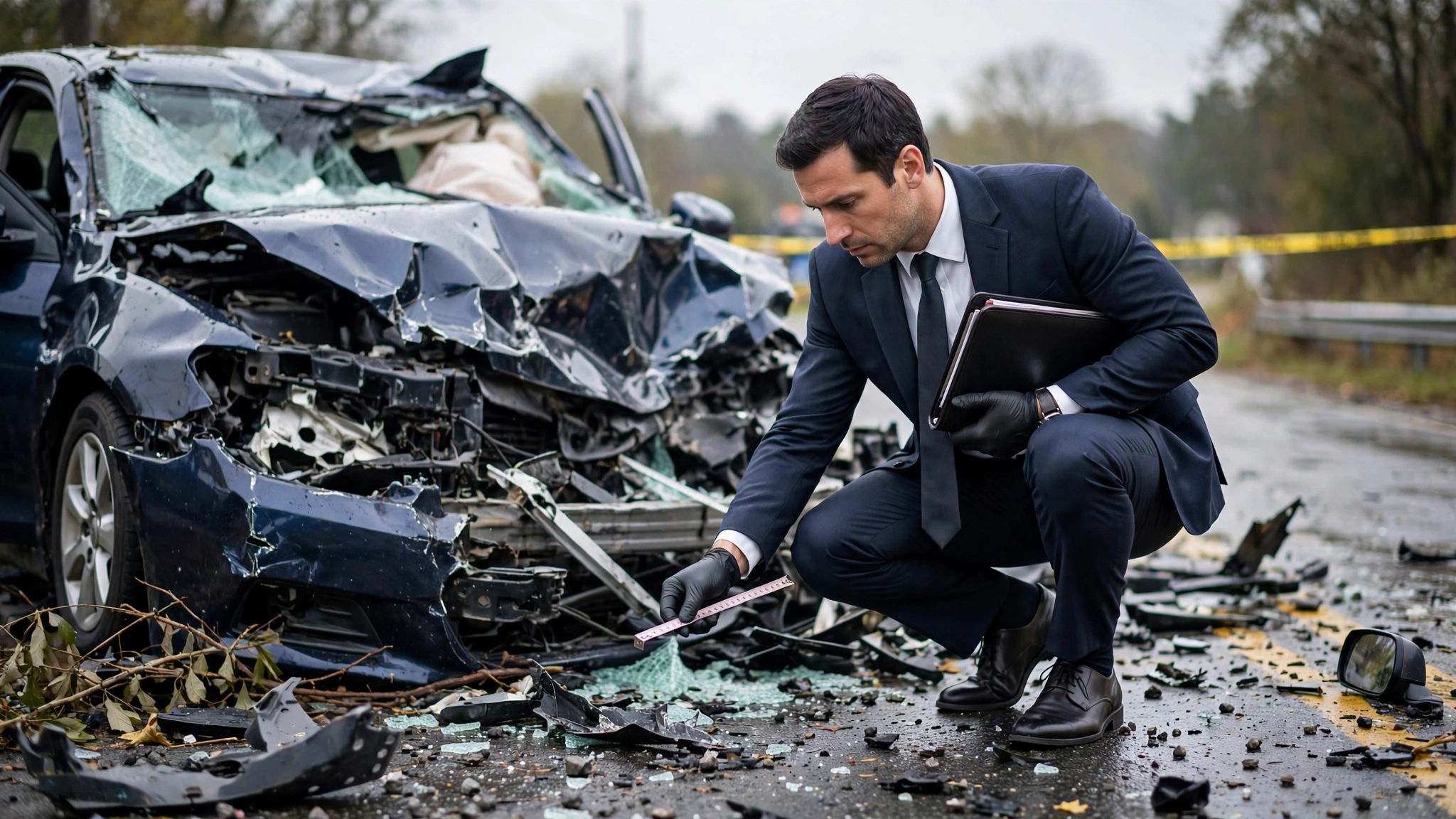
Accident reconstruction specialists, law enforcement, and insurance adjusters often play a role in piecing together the events of a crash. They analyze factors such as vehicle positions, damage patterns, road conditions, and traffic laws to establish fault. Common examples of driver negligence that frequently lead to fault determination include speeding, distracted driving (such as texting while driving), impaired driving (DUI), unsafe lane changes, running red lights or stop signs, and failing to yield the right-of-way. Sometimes, even seemingly minor actions like opening a car door into traffic can result in 100% fault.
In certain situations, strict liability might apply, such as when a defective vehicle part causes an accident, holding the manufacturer responsible regardless of their direct negligence. However, for most car accidents, the focus remains on driver negligence.
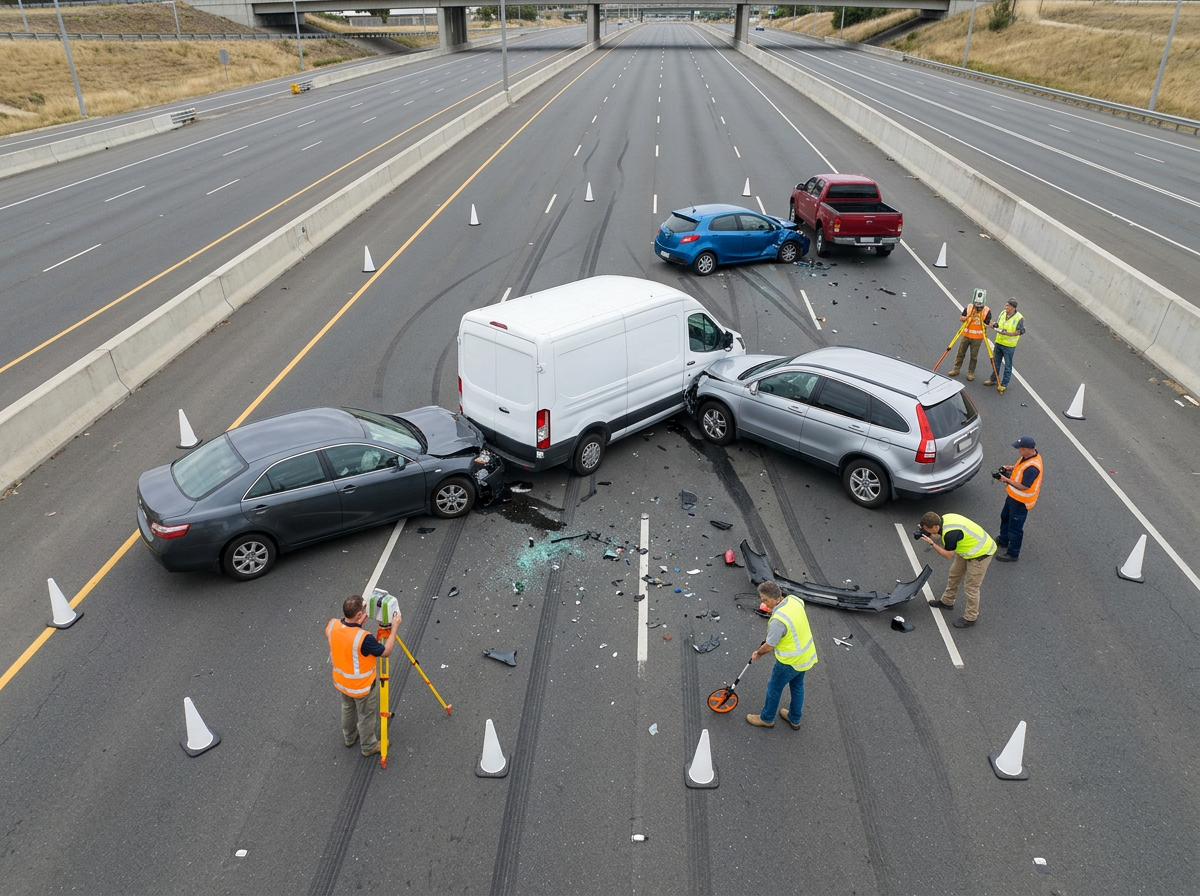
Consider a chain reaction collision involving multiple vehicles. According to specific fault determination rules, if three vehicles are in motion, the middle vehicle (Automobile B) might be deemed 50% at fault for colliding with the leading vehicle (Automobile A), while the third vehicle (Automobile C) would be 100% at fault for striking Automobile B. These detailed rules help insurance companies and legal teams assign responsibility.
The role of a police report is critical here. Even for minor fender-benders, an official police report creates an objective record of the accident details, including driver statements, witness information, and initial assessments of fault, which can be invaluable for insurance claims. Witness testimony can also corroborate or challenge driver accounts, providing crucial perspectives on how the accident unfolded.


Evaluating Comparative Negligence Frameworks Across Jurisdictions
What happens when both drivers share some responsibility for an accident? This is where comparative negligence laws come into play, and their application varies significantly from state to state. These laws dictate how compensation is affected when multiple parties are partially at fault.
There are generally three main types of comparative negligence systems:
- Pure Comparative Fault: In states like California, a driver can recover damages even if they are largely at fault. Their compensation is simply reduced in direct proportion to their percentage of fault. For example, if you incur $100,000 in damages but are found 25% at fault, you can still recover $75,000 from the other driver’s insurer. This system allows for recovery even if you are 99% at fault, albeit with a significantly reduced settlement.
- Modified Comparative Fault (50% Bar Rule): Under this rule, common in states like Illinois, you can generally collect damages if you are 50% or less at fault. If your fault exceeds 50.00%, you are barred from recovering any compensation. If you are 50% at fault, you can still recover 50% of your damages.
- Modified Comparative Fault (51% Bar Rule): This system is similar to the 50% bar, but it allows you to recover as long as your fault is not greater than the other party’s. If you are 50% at fault, you can recover 50% of your damages. However, if you are found 51% or more at fault, you are barred from recovery. This is a subtle but important distinction from the 50% bar.
- Pure Contributory Negligence: A few states still follow this strict rule. If you are found even 1% at fault for the accident, you are completely barred from recovering any damages from the other party. This system can be very harsh on accident victims.
Understanding your state’s specific comparative negligence rules is vital, as it directly impacts your ability to receive compensation and the amount you might recover. These frameworks ensure that liability is not always an all-or-nothing proposition, but rather a proportional assessment of responsibility.
Key Evidence Used in Proving Driver Negligence
To successfully establish driver negligence and liability, a comprehensive collection of evidence is crucial. The more detailed and objective the evidence, the stronger your claim will be. Here’s a breakdown of key evidence types:
- Police Accident Reports: As mentioned, these official documents provide an initial, unbiased account of the accident. They often include diagrams, citations issued, witness statements, and the responding officer’s preliminary assessment of fault. While not always definitive in court, they carry significant weight with insurance companies.
- Witness Testimony: Independent witnesses who saw the accident unfold can provide invaluable perspectives. Their unbiased accounts can corroborate your version of events or contradict the other driver’s, helping to clarify disputed facts.
- Black Box Telemetry and Dashcam Recordings: Many modern vehicles are equipped with “black box” event data recorders (EDRs) that capture critical information immediately before, during, and after a crash, such as speed, braking, and steering. Dashcam footage, if available, offers a direct visual record of the accident, which can be irrefutable evidence.
- Vehicle Damage Patterns: The type and location of damage on the vehicles involved can reveal the angle of impact, the force of the collision, and the sequence of events, aiding accident reconstructionists in determining fault.
- Traffic Camera Footage: Surveillance cameras at intersections, businesses, or even residential properties might have captured the accident. This footage can provide crucial visual evidence, especially in cases where fault is heavily disputed.
- Medical Records and Bills: These documents establish the extent of your injuries and the costs associated with your treatment, directly linking the accident to your damages.
- Photos and Videos from the Scene: Immediately after an accident, if it’s safe to do so, take photos and videos of everything: vehicle damage (from multiple angles, close-up and wide shots), skid marks, debris, road conditions, traffic signs, and any visible injuries. These visual records are often indispensable.
Collecting this evidence immediately after an accident is a critical step to protect your claim. Documenting everything while the details are fresh and before evidence can be lost or altered is a best practice that can significantly strengthen your position when pursuing compensation.
Critical Differences Between At-Fault and No-Fault Insurance Systems
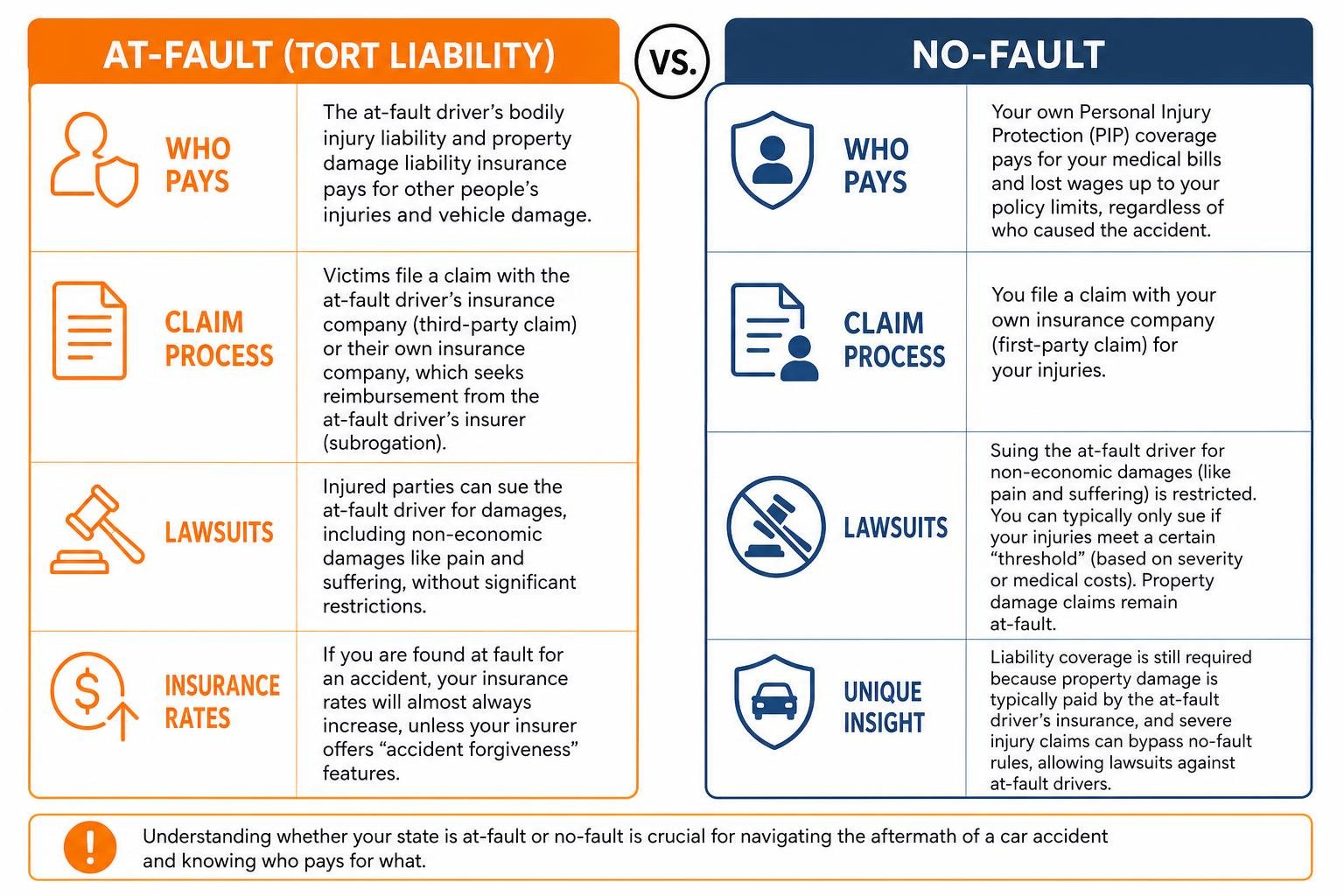
The way car accident claims are processed and compensation is paid out largely depends on whether your state operates under an “at-fault” (tort liability) or “no-fault” insurance system. This distinction is fundamental to understanding your rights and responsibilities after a collision.
At-Fault States (Tort Liability)
In an at-fault system, the driver who is determined to be responsible for the accident is financially liable for the damages and injuries of the other parties involved. This means:
- Who Pays: The at-fault driver’s bodily injury liability and property damage liability insurance typically covers the medical expenses, lost wages, pain and suffering, and vehicle repair costs of the injured parties.
- Claim Process: Victims usually file a claim with the at-fault driver’s insurance company (a third-party claim) or their own insurance company, which then seeks reimbursement from the at-fault driver’s insurer (subrogation).
- Lawsuits: Injured parties can sue the at-fault driver for damages, including non-economic damages like pain and suffering, without significant restrictions.
- Insurance Rates: If you are found at fault for an accident, your insurance rates will almost always increase, unless your insurer offers “accident forgiveness” features.
No-Fault States
No-fault systems aim to streamline the claims process and reduce litigation for minor injuries. In these states, each driver’s own insurance company pays for their respective medical expenses and lost wages, regardless of who caused the accident.
- Who Pays: Your own Personal Injury Protection (PIP) coverage pays for your medical bills and lost wages up to your policy limits, regardless of fault.
- Claim Process: You file a claim with your own insurance company (a first-party claim) for your injuries.
- Lawsuits: The ability to sue the at-fault driver for non-economic damages (like pain and suffering) is restricted. You can typically only sue if your injuries meet a certain “threshold,” which can be defined by the severity of the injury (e.g., permanent disfigurement, broken bones) or a monetary amount of medical expenses. Property damage claims, however, usually remain under an at-fault system, meaning the at-fault driver’s insurance pays for vehicle repairs.
- Unique Insight: Even in no-fault states, liability coverage is still required because property damage is typically paid by the at-fault driver’s insurance, and severe injury claims can bypass no-fault rules, allowing lawsuits against at-fault drivers.
Understanding whether your state is at-fault or no-fault is crucial for navigating the aftermath of a car accident and knowing who pays for what. As of September 2026, these distinctions remain a key factor in car accident liability.
First-Party vs. Third-Party Insurance Claims and Compensation
When an accident occurs, you’ll primarily be dealing with either a first-party or a third-party insurance claim, depending on the circumstances and your state’s insurance laws.
First-Party Claims: A first-party claim is filed with your own insurance company. This type of claim typically covers damages to your own vehicle (collision coverage) or your own medical expenses and lost wages (Personal Injury Protection or Medical Payments coverage), regardless of who was at fault. In no-fault states, your PIP coverage is your primary source of compensation for injuries. Even in at-fault states, you might use your own collision coverage to get your car repaired quickly, with your insurer then pursuing subrogation against the at-fault driver’s insurer to recover their costs and your deductible.
Third-Party Claims: A third-party claim is filed against the at-fault driver’s insurance company. This type of claim seeks compensation for your bodily injuries, pain and suffering, lost wages, and property damage from the responsible party. In at-fault states, this is the primary route for recovering damages from the other driver. A key insight here is that in a third-party claim, the other driver’s insurance company has no direct contract with you; their primary obligation is to their own policyholder. This can sometimes lead to more challenging negotiations, as their goal is to minimize payouts.
Compensation and Disputes: Compensation in both types of claims can cover a range of damages, including medical expenses, lost income, vehicle repair or replacement costs, and, in at-fault states or severe no-fault cases, non-economic damages like pain and suffering.
Handling a dispute with an insurance company over fault or settlement can be challenging. Insurers review police reports, witness accounts, damage photos, and traffic laws to make their determination. If you disagree with their assessment, you may need to provide additional evidence, such as independent accident reconstruction reports or expert medical opinions. It’s important not to sign a settlement release until you are completely ready to accept the final amount, as doing so typically waives your right to further compensation. If a dispute cannot be resolved through negotiation, pursuing legal action or arbitration may be necessary.
Navigating Uninsured and Underinsured Motorist Coverage
One of the most concerning scenarios after a car accident is discovering that the at-fault driver either has no insurance or insufficient insurance to cover your damages. This is where Uninsured Motorist (UM) and Underinsured Motorist (UIM) coverage becomes invaluable.
Uninsured Motorist (UM) Coverage: UM coverage protects you if you’re involved in an accident with a driver who has no liability insurance. This coverage typically pays for your medical expenses, lost wages, and pain and suffering up to your policy limits, just as if the at-fault driver had insurance. It’s also crucial in hit-and-run accidents where the at-fault driver cannot be identified, or in non-contact vehicle collisions where another driver’s negligence causes you to swerve and crash, but they drive away without making contact.
Underinsured Motorist (UIM) Coverage: UIM coverage steps in when the at-fault driver has liability insurance, but their policy limits are not high enough to cover the full extent of your injuries and damages. In such cases, your UIM coverage would pay the remaining balance up to your policy limits, after the at-fault driver’s insurance has paid out its maximum.
Importance of UM/UIM: Many states require drivers to carry UM/UIM coverage, or at least offer it, and you must reject it in writing if you don’t want it. Given the number of uninsured drivers on the road, carrying adequate UM/UIM coverage is a critical safeguard for your financial well-being after a serious accident. It provides a crucial safety net, ensuring you’re not left with significant out-of-pocket expenses due to another driver’s lack of adequate coverage. Reviewing your insurance declaration page annually to ensure you have sufficient UM/UIM limits is a wise practice.
The Strategic Role of Personal Injury and Wrongful Death Representation
Navigating the aftermath of a car accident, especially one involving significant injuries or a fatality, can be overwhelming. This is where the strategic role of personal injury and wrongful death representation becomes paramount. While the insurance system is designed to handle claims, it is ultimately a business, and their primary goal is to protect their bottom line. A dedicated legal team can level the playing field.
Personal injury attorneys specialize in civil litigation related to accidents. They understand the intricacies of liability determination, comparative negligence laws, and the various types of damages you can recover. They handle all communication and negotiations with insurance companies, ensuring your rights are protected and you don’t inadvertently jeopardize your claim. This includes quantifying damages, which goes beyond just medical bills to include lost wages, future medical care, pain and suffering, and emotional distress.
In cases of fatal crashes, the legal landscape shifts to wrongful death claims. These cases are particularly complex, involving specific statutory beneficiaries and unique damage calculations for pecuniary losses, loss of consortium, and burial expenses. A specialized wrongful death law firm possesses the expertise to navigate these sensitive and challenging claims, ensuring surviving family members receive the justice and financial restitution they deserve. Their role extends to trial advocacy, if necessary, meticulously preparing the case and presenting it in court to achieve a favorable outcome.
Investigating Fatal Crashes Through Personal Injury and Wrongful Death Representation
When a car accident results in a fatality, the investigation takes on an even greater level of detail and urgency. Personal injury and wrongful death attorneys play a critical role in these investigations, often working independently or alongside law enforcement to uncover every piece of evidence.
Their investigative process includes:
- Accident Reconstruction: Hiring independent accident reconstruction experts to analyze the scene, vehicle damage, and other data to determine the precise cause of the crash and assign fault.
- Reviewing Police Reports and Autopsy Results: Scrutinizing official reports for inconsistencies or missed details, and understanding the medical findings related to the cause of death.
- Analyzing Vehicle Safety Reports: Examining the vehicle’s maintenance history, manufacturer recalls, and any potential defects that may have contributed to the accident.
- Gathering Witness Statements: Interviewing witnesses, including those not initially identified by police, to gain a full understanding of the events.
- Evaluating Economic Losses: Calculating the deceased’s projected lifetime earnings, benefits, and other financial contributions to their family. This can be a complex process often involving forensic economists.
- Assessing Non-Economic Damages: Quantifying the profound emotional suffering, loss of companionship, guidance, and support (loss of consortium) experienced by surviving family members.
- Identifying Statutory Beneficiaries: Determining who is legally entitled to file a wrongful death claim and receive compensation under state law.
This meticulous investigation is crucial because the stakes are incredibly high. Families are not only grieving but also facing significant financial burdens. Legal counsel ensures that every avenue for compensation is explored, from immediate burial expenses to long-term financial support for dependents. Their expertise helps families understand their rights and pursue survival actions, which address the deceased’s pain and suffering between the time of injury and death.

Overcoming Insurer Tactics with Personal Injury and Wrongful Death Representation
Dealing with insurance companies after a serious accident can be one of the most challenging aspects of a claim. Insurers, whether the at-fault driver’s or your own, often employ tactics designed to minimize payouts. This is where experienced personal injury and wrongful death representation becomes invaluable.
Common insurer tactics and how legal representation helps overcome them include:
- Disputed Liability: Insurance companies may try to shift blame or argue for shared fault to reduce their payout. Attorneys provide compelling evidence, such as accident reconstruction reports and witness testimony, to firmly establish the other driver’s negligence.
- Lowball Initial Settlement Offers: It’s common for insurers to make a quick, low offer early in the process, hoping you’ll accept before fully understanding the extent of your injuries and long-term costs. Legal counsel advises clients not to accept these offers and negotiates for a fair settlement that accounts for all current and future damages.
- Recorded Statement Traps: Insurers often request a recorded statement from you. While it might seem harmless, your words can be twisted or used against you later to deny or minimize your claim. Attorneys advise clients on how to handle these requests or communicate on their behalf, protecting them from self-incrimination.
- Delay Tactics: Insurance companies might intentionally delay the claims process, hoping that financial pressure will force you to accept a lower settlement. Attorneys ensure adherence to fair claims settlement practices and statutory deadlines, escalating disputes if necessary.
- Demanding Extensive Medical Releases: Insurers may ask for broad medical releases, attempting to access unrelated medical history to find pre-existing conditions and deny claims. Attorneys limit these releases to only relevant medical information.
- Independent Medical Exams (IMEs) by “Defense Doctors”: Insurers may require you to see a doctor of their choosing. These doctors often minimize injuries. Your attorney can advise you on your rights regarding IMEs and prepare you for the examination.
By understanding these tactics and having experienced legal advocates on your side, you can ensure that your claim is handled fairly, and you receive the full compensation you are entitled to, rather than being pressured into an inadequate settlement.
Frequently Asked Questions About Vehicle Collision Claims
Understanding the nuances of car accident liability can be complex. Here, we address some of the most common questions individuals have regarding vehicle collision claims, helping you navigate the path to claim resolution.
What is the statute of limitations for filing injury and wrongful death lawsuits?
The “statute of limitations” is a strict legal deadline that sets the maximum time you have to file a lawsuit after an accident. This timeframe varies significantly by state and by the type of claim (personal injury vs. property damage vs. wrongful death).
For example, in Illinois, for bodily injury claims, you must file a lawsuit within 2 years from the date of the accident. For property damage claims, you generally have 5 years. In California, if anyone is injured or the vehicle damage exceeds $750, you must report the accident to the Department of Motor Vehicles within 10 days, but the statute of limitations for filing a personal injury lawsuit is typically 2 years.
Wrongful death claims also have their own specific statutes of limitations, often similar to personal injury claims, but they begin from the date of death, which may not always be the same as the accident date.
It’s crucial to be aware of these deadlines because if you miss the statute of limitations, you will almost certainly lose your right to pursue compensation, regardless of the merits of your case. There are rare exceptions, such as the “discovery rule” (where the clock starts when an injury is discovered, not when the accident occurred) or “tolling” for minors (the clock doesn’t start until they turn 18), but these are specific and not universally applicable. If a government entity is involved, there are often much shorter notice requirements. Always consult with a legal professional to confirm the exact deadlines applicable to your specific situation.
Can compensation be recovered if the victim was partially at fault?
Yes, in most states, compensation can be recovered even if the victim was partially at fault, thanks to comparative negligence laws. As we discussed earlier, the specific amount recoverable depends on the state’s system:
- Pure Comparative Negligence: You can recover damages even if you are 99% at fault, but your compensation will be reduced by your percentage of fault. So, if you were 60% at fault for a $100,000 injury, you could still recover $40,000.
- Modified Comparative Negligence (50% Bar Rule): You can recover if you are 50% or less at fault. If you are 51% or more at fault, you recover nothing.
- Modified Comparative Negligence (51% Bar Rule): You can recover if you are 50% or less at fault. If you are 51% or more at fault, you recover nothing.
- Pure Contributory Negligence: If you are found even 1% at fault, you cannot recover any compensation. This is the strictest rule and is only followed by a few jurisdictions.
Insurance companies and defense attorneys will often try to argue that you were partially at fault to reduce their liability. Your legal representation will work to minimize your attributed fault and maximize your compensation under your state’s specific rules. Even if you believe you were partially responsible, it doesn’t necessarily mean you can’t recover damages.
How do insurers calculate actual cash value and total loss settlements?
When your vehicle is damaged beyond repair or the cost of repairs exceeds a certain threshold, it’s declared a “total loss.” Insurers then calculate a settlement based on the vehicle’s Actual Cash Value (ACV).
Actual Cash Value (ACV): ACV is generally defined as the fair market value of your vehicle just before the accident, taking into account factors like age, mileage, condition, and depreciation. It’s not the original purchase price or the cost of a brand-new replacement. Insurers typically determine ACV by comparing your vehicle to similar vehicles recently sold in your local market.
Total Loss Thresholds: States have different total loss thresholds. Some use a “total loss formula” where the cost of repairs plus the salvage value (what the car is worth in its damaged state) exceeds the ACV. Other states have a “total loss percentage” where if the repair costs reach a certain percentage (e.g., 70-80%) of the ACV, the vehicle is declared a total loss.
Settlement Disputes: Disputes often arise when vehicle owners believe the insurer’s ACV offer is too low. If you disagree with the insurer’s valuation, you can:
- Provide Counter-Evidence: Gather evidence of your vehicle’s condition (maintenance records, recent repairs, upgrades) and research comparable vehicles for sale in your area to support a higher valuation.
- Utilize Appraisal Provisions: Many policies include an appraisal clause, allowing you to hire an independent appraiser. If you and the insurer’s appraiser can’t agree, a neutral “umpire” is brought in to make a final decision. This can be a valuable tool for resolving total loss disputes.
- Consider Gap Insurance: If you have a loan on a totaled vehicle, the insurance payout might be less than what you still owe. Gap insurance covers this “gap” between the ACV and your outstanding loan balance, preventing you from being upside down on your loan.
Understanding how ACV and total loss settlements are calculated empowers you to negotiate effectively and ensure you receive a fair payout for your damaged vehicle.
Conclusion
Navigating the complexities of car accident liability can be a daunting task, but understanding the core principles empowers you to protect your rights and pursue justice. From the initial determination of fault based on driver negligence and comparative fault laws to the critical distinctions between at-fault and no-fault insurance systems, every step is crucial. Knowing how to protect your claim immediately after an accident, what constitutes valid evidence, and the importance of specific insurance coverages like UM/UIM can make a significant difference in the outcome.
Whether you’re dealing with property damage, personal injuries, or the profound grief of a wrongful death, the path to accountability and financial restitution is often intricate. The legal system is designed to provide a framework for these challenges, and while it can seem overwhelming, you don’t have to face it alone. Legal advocacy plays an indispensable role in investigating fatal crashes, overcoming insurer tactics, and ensuring that all statutory beneficiaries receive the compensation they deserve. By staying informed and seeking professional guidance when needed, we can ensure that the scales of justice are balanced, and those responsible are held accountable for their actions.