How to Maximize Your Car Accident Settlement in Kansas City
Protect your rights after a car accident by following medical advice, documenting insurance communications, reviewing deadlines, and consulting a Kansas City car accident lawyer.
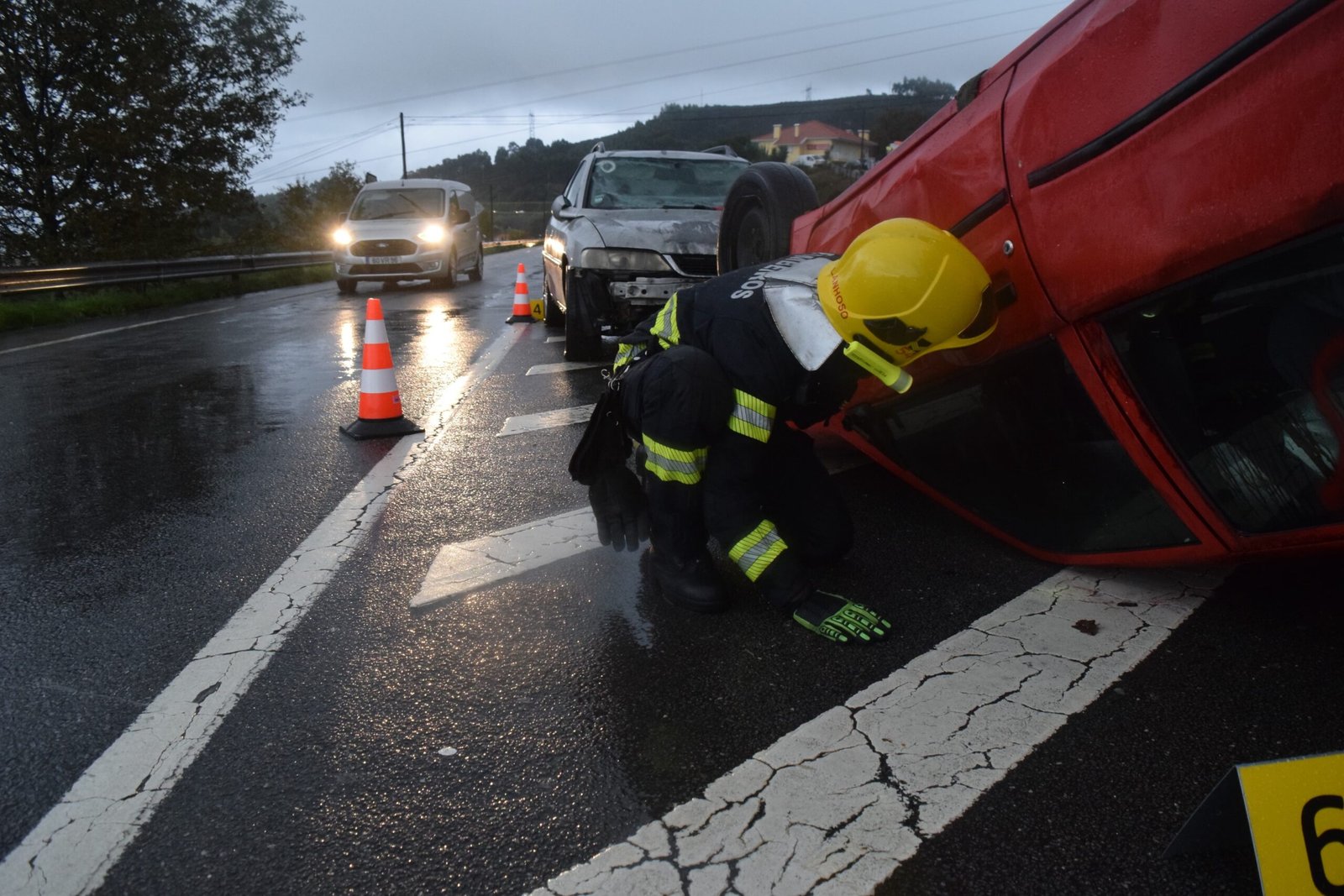
After a car accident, it is easy to focus on the damage you can see right away. But the value of a settlement often depends on what you document, what you say, and how carefully you handle the days that follow. Below, we’ll talk through the steps that can help protect your claim, the records that can show the real cost of the accident, and what to look at before accepting an offer.
Protect the Value of Your Claim From the Start
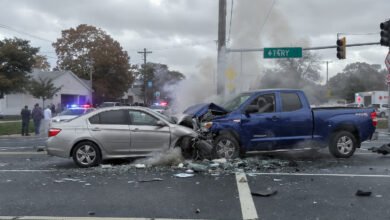
Start by calling the police to document the crash, especially if someone is injured or the vehicles have major damage. Take photos of where the cars stopped, traffic signals, road conditions, and visible damage. Those details may help show common causes of car accidents and what happened.
Be sure to see a doctor, follow their treatment plan and avoid missing appointments unless you truly need to. Medical records can help link your injury directly to the crash. Keep conversations with insurance adjusters simple, factual, and brief. Avoid guessing about fault, making injuries sound smaller, or saying you have recovered too early. Before signing, ask a car accident lawyer Kansas City residents trust to review the release and explain what rights could change.
Write down each insurance conversation in a basic log with the date, adjuster’s name, claim number, and anything requested or promised. When a deadline, document request, or settlement form shows up, read it closely instead of treating it as paperwork.
Document the Full Impact of the Accident
Start by keeping every expense tied to the crash. Save receipts for prescriptions, therapy, car repairs, rentals, and rides to medical visits. With more vehicles being declared total losses, detailed records of repair and replacement costs can matter.
If the crash stopped you from working, collect pay stubs, letters from your employer, work schedules, and tax records showing your normal income. Be sure to include missed shifts, shorter hours, and lost overtime whenever those losses apply and can be shown.
Keep quick notes about pain, sleep trouble, limited movement, and normal activities you could not manage. Writing that you missed three soccer practices with your child shows the impact better than saying life changed.
Ask your doctor if future treatment, therapy, medication, or time away from work may be necessary, and request records that explain those needs. Keep track of any extra help you now pay for too, including childcare, cleaning, transportation, or similar daily support.
Evaluate the Settlement Before Accepting an Offer
The first offer is not the last word, so check it against your medical expenses, lost income, property damage, and future costs you have already found. Even something like seatbelt use may affect an insurance settlement, so the offer should reflect your evidence.


Read the settlement carefully and see what it actually includes. An offer might cover medical bills while missing future care, lower earning ability, or other losses caused by the crash. After you sign a release, asking for additional money later may no longer be possible.
When fault is disputed or the injuries are serious, talk with a lawyer before accepting anything. They can look over the offer, spot losses that were left out, and explain when legal help makes sense so you understand the choice before making a final agreement.
A fair settlement should reflect the losses you can show and the expenses you are reasonably expected to face later. When the numbers seem off, ask for an explanation and back up any counteroffer with clear evidence you have gathered.
Endnote
Getting a fair car accident settlement often comes down to the choices you make after the crash. Protecting your claim early, keeping clear records of every loss, and reviewing any offer carefully can prevent costly mistakes. When the evidence is organized, you are in a much better position to recognize whether a settlement truly reflects what the accident has cost you.