Navigating the Complexities of Personal Injury Legal Representation
Hire a Lyft liability lawyer in Baton Rouge to navigate complex rideshare insurance and maximize your accident settlement.
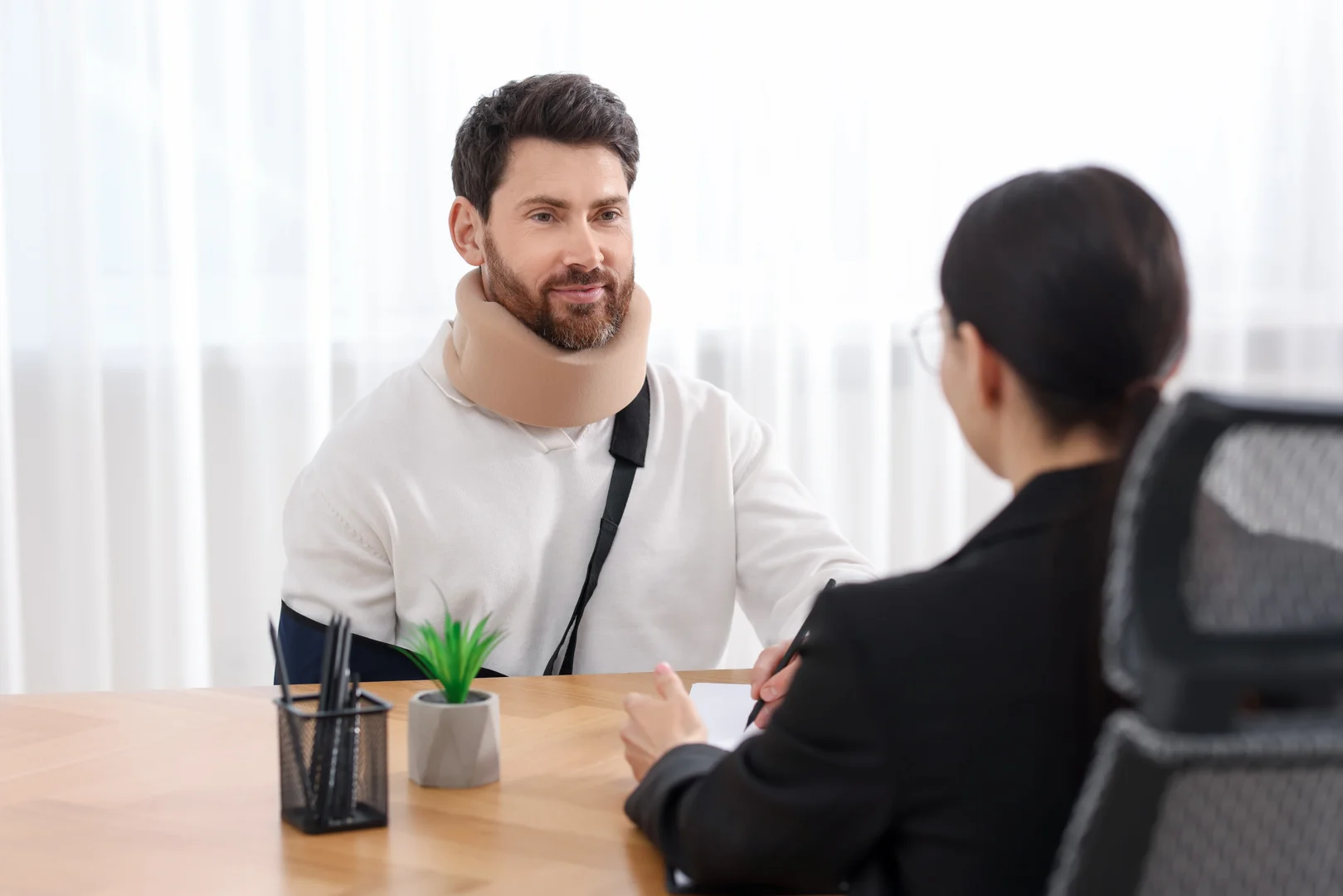
Understanding Personal Injury Legal Representation for Baton Rouge Rideshare Accidents
Rideshare services like Lyft have reshaped transportation in Baton Rouge. However, when a Lyft ride leads to an accident, the legal aftermath is rarely straightforward. Unlike traditional car crashes, these incidents involve distinct challenges concerning liability, insurance coverage, and securing fair compensation. Understanding the nuances of personal injury litigation in this context is crucial for anyone involved.
In this comprehensive guide, we will explore what makes Lyft accident cases unique. We will discuss who is liable, how Lyft’s insurance works, and the critical steps you should take immediately after a crash. Our aim is to provide clarity on securing your rights and maximizing your recovery.
Rideshare accidents in Baton Rouge introduce a layer of complexity that traditional car accidents do not. The primary distinction lies in the multi-faceted liability structure and the intricate insurance policies involved. In a standard car accident, fault typically rests with one or more drivers, and their personal auto insurance policies are the primary source of compensation. However, with Lyft, we must consider the Lyft driver, Lyft as a corporation, and potentially other third parties.
The concept of “rideshare liability” means that determining who is ultimately responsible for damages can be a complex legal battle. Lyft drivers are independent contractors, not employees, which complicates how their actions are attributed to the company. Furthermore, factors like driver distraction (e.g., interacting with the app’s navigation or accepting new rides) or driver fatigue can contribute to accidents, raising questions about corporate oversight and responsibility.
Louisiana operates under a system of comparative fault, meaning that if multiple parties share some degree of blame for an accident, their liability is apportioned accordingly. This can be particularly intricate in a Lyft accident, where the Lyft driver, another motorist, or even Lyft’s operational policies could each bear a percentage of fault. Navigating these complexities requires a deep understanding of both Louisiana tort law and the specific contractual agreements between Lyft and its drivers.

Why Specialized Personal Injury Legal Representation Matters for Lyft Claims
Given the unique legal landscape, specialized personal injury legal representation is not just beneficial but often essential for Lyft accident victims in Baton Rouge. These cases are distinct because they involve:
- Complex Coverage: Lyft maintains its own commercial insurance policies, but these policies have specific tiers of coverage that depend on the driver’s app status at the time of the accident. This is a crucial distinction from personal auto insurance and can be confusing for those unfamiliar with rideshare insurance models.
- Corporate Defense: Lyft, as a multi-billion-dollar corporation, has extensive legal resources dedicated to minimizing its payouts. Their legal teams are well-versed in defending against liability claims, making it challenging for an individual to pursue fair compensation without experienced legal counsel.
- Driver Fatigue and Distraction: The nature of rideshare work can lead to drivers working long hours or being distracted by the app, increasing the risk of accidents. Proving these factors contributed to a crash requires meticulous investigation and evidence gathering that a specialized lawyer can provide.
- Victim Statistics: Not all victims are passengers. Statistics show that in Lyft accidents, 21% of victims are rideshare drivers, 21% are rideshare riders, and a significant 58% are third-party drivers or passengers who were not inside or associated with the Lyft vehicle at the time of the crash. This high percentage of third-party victims underscores the broad impact of these accidents and the varied types of claims that can arise. Each category of victim faces unique challenges in establishing liability and securing compensation.
A specialized lawyer understands these intricacies, knows how to challenge corporate defense strategies, and can effectively advocate for all types of victims, ensuring their rights are protected against powerful corporate entities.


How Personal Injury Legal Representation Helps Maximize Your Settlement
Securing a fair settlement after a Lyft accident involves much more than just filing a claim. It requires strategic legal action, comprehensive evidence gathering, and skilled negotiation. This is where dedicated personal injury legal representation proves invaluable.
Our approach to maximizing your settlement involves several key steps:
- Evidence Gathering: We meticulously collect all necessary evidence, including police reports, eyewitness statements, traffic camera footage, medical records, and expert testimonies. Crucially, we also know how to obtain critical data from Lyft itself, such as driver logs, ride history, and communications, which can be vital for establishing the driver’s app status and potential negligence.
- Liability Assessment: Accurately determining who is liable is paramount. This involves a thorough investigation into the accident circumstances, applying Louisiana’s comparative fault laws, and identifying all potentially responsible parties—be it the Lyft driver, Lyft corporate, another driver, or even a municipality for road defects.
- Claims Handling: We manage all communications and negotiations with insurance companies, both personal and commercial. Insurance adjusters are trained to minimize payouts, and without legal representation, victims often accept settlements far below what they deserve. We handle all paperwork, deadlines, and legal procedures, ensuring no missteps jeopardize your claim.
- Settlement Negotiation: Our experienced attorneys are adept at negotiating with powerful insurance companies and corporate legal teams. We leverage our comprehensive understanding of the law and the specifics of your case to demand a settlement that fully compensates you for all your damages. If a fair settlement cannot be reached through negotiation, we are prepared to take your case to court.
By entrusting your case to seasoned legal professionals, you significantly increase your chances of recovering the maximum compensation possible for your injuries and losses.
Insurance Coverage Tiers and Liability Determination in Louisiana Rideshare Crashes
One of the most critical aspects of a Lyft accident claim in Baton Rouge is understanding how insurance coverage works. Unlike personal auto insurance, Lyft’s commercial policies are tiered, meaning the amount of coverage available depends entirely on the Lyft driver’s “app status” at the moment of the collision. This status dictates who is liable and which insurance policy will be primary.
$1 Million Coverage During Active Rides
When a Lyft driver is actively transporting a passenger or is en route to pick up a passenger after accepting a ride request, they are considered to be in “Period 3” or “Active Ride” status. In this scenario, Lyft provides robust insurance coverage:
- $1 million liability policy: This policy covers bodily injury and property damage to third parties (including the Lyft passenger, other drivers, pedestrians, or property owners) in the event the Lyft driver is at fault. This substantial coverage is designed to protect all parties during the highest-risk phase of a rideshare trip, offering significant financial protection for severe injuries or extensive property damage.
- Uninsured/Underinsured Motorist (UM/UIM) coverage: Lyft’s policy also typically includes UM/UIM coverage, which protects the Lyft driver and passengers if they are hit by an uninsured or underinsured motorist while on an active ride.
- Contingent collision and comprehensive coverage: If the Lyft driver has their own personal collision coverage, Lyft’s policy may provide contingent coverage for damage to the Lyft driver’s vehicle, up to the actual cash value of the vehicle, with a deductible.
This $1 million policy is a crucial safety net, but accessing it requires proving the driver’s active status at the time of the accident.
Contingent Coverage When App is Open
A different set of rules applies when the Lyft driver has the app on and is waiting for a ride request – known as “Period 1” or “Available” status. During this period, Lyft’s contingent coverage kicks in, but it is significantly less comprehensive than the active ride policy:
- $50,000 per person for bodily injury: This covers injuries sustained by third parties if the Lyft driver is at fault.
- $100,000 per accident for bodily injury: This is the maximum payout for bodily injuries for all parties involved in a single accident.
- $25,000 per accident for property damage: This covers damage to other vehicles or property caused by the Lyft driver.
This coverage is contingent, meaning it typically acts as secondary coverage if the driver’s personal auto insurance denies the claim (which they often do when a driver is engaged in commercial activity). If the driver’s personal policy does cover the incident, Lyft’s policy may not apply, or it may only cover damages exceeding the driver’s personal policy limits. This scenario often leads to disputes between personal and commercial insurers.
Personal Insurance Limits When App is Off
If the Lyft driver’s app is off and they are not logged in or available for rides, then Lyft’s commercial insurance policies do not apply at all. In this “off-duty status,” the driver is considered to be operating their personal vehicle, and their personal auto insurance policy is the sole source of coverage for any accident they cause.
However, many personal auto insurance policies contain exclusions for commercial activity. If a driver regularly uses their vehicle for rideshare services without notifying their personal insurer or purchasing a specific rideshare endorsement, their personal policy may deny coverage for an accident, even if the app was off at the time. This can leave victims with limited avenues for compensation if the at-fault driver has insufficient personal assets. This scenario highlights the importance of a thorough investigation into the driver’s insurance and app status.
Immediate Actions and Recoverable Damages After a Baton Rouge Collision
The moments immediately following a Lyft accident in Baton Rouge are critical. The steps you take can significantly impact your ability to recover compensation and protect your legal rights.
Crucial Steps Immediately After a Lyft Crash
- Ensure Safety: Move to a safe location if possible, and check yourself and others for injuries.
- Call 911: Report the accident to the police immediately, regardless of how minor it seems. A police report is crucial for documenting the incident, and Louisiana law often requires reporting accidents involving injuries or significant property damage.
- Exchange Information: Obtain contact and insurance information from all drivers involved, including the Lyft driver. Crucially, ask the Lyft driver about their app status at the time of the crash (e.g., active ride, waiting for request, or off-duty). Get their name, phone number, license plate, and insurance details.
- Document the Scene: Use your phone to take photos and videos of the accident scene, vehicle damage, road conditions, traffic signals, and any visible injuries. This visual evidence can be invaluable.
- Seek Medical Attention: Even if you feel fine, see a doctor as soon as possible. Some injuries, like whiplash or internal trauma, may not manifest symptoms immediately. A medical evaluation creates an official record of your injuries, which is vital for your claim.
- Do Not Admit Fault: Avoid making statements about who was at fault or how you are feeling. These statements can be used against you later.
- Notify Lyft: If you were a passenger, report the accident through the Lyft app. If you were a third party, you or your lawyer should notify Lyft directly.
- Contact a Specialized Lawyer: Before speaking with any insurance adjusters (from your own insurer, the at-fault driver’s, or Lyft’s), consult with a specialized Lyft accident lawyer. They can protect your rights and handle all communications.
Recovering Full Financial Compensation
After a Lyft accident, victims are entitled to seek compensation for a wide range of damages. Our goal is to ensure you recover full financial compensation for all your losses, both economic and non-economic. This can include:
- Medical Expenses: This covers all past, present, and future medical costs related to your injuries, including emergency room visits, hospital stays, doctor appointments, surgeries, medications, physical therapy, rehabilitation, and assistive devices.
- Lost Wages: If your injuries prevent you from working, you can recover compensation for lost income, including past wages, future earning capacity, and benefits.
- Pain and Suffering: This non-economic damage compensates you for the physical pain, emotional distress, mental anguish, and loss of enjoyment of life caused by your injuries.
- Property Damage: This covers the cost of repairing or replacing your vehicle and any other personal property damaged in the accident.
- Other Damages: Depending on the specific circumstances, you may also be able to recover for disfigurement, scarring, loss of consortium, and other specific losses.
Filing Within the Louisiana Statute of Limitations
It is crucial to understand that there is a strict deadline for filing a personal injury lawsuit in Louisiana. Louisiana has a two-year statute of limitations for filing a personal injury claim from a Lyft accident. This means you have two years from the date of the accident to formally file a lawsuit in court.
If you fail to file your claim within this two-year legal deadline, you will likely lose your right to seek compensation through the court system, regardless of the merits of your case. This period, known as legal prescription in Louisiana civil code, is a firm cutoff. While two years might seem like a long time, investigating a complex Lyft accident, gathering evidence, negotiating with insurers, and preparing a lawsuit takes significant time and effort. Therefore, it is imperative to contact an experienced Baton Rouge Lyft accident lawyer as soon as possible after your crash. A reputable firm like Doran & Cawthorne can help ensure your claim is filed correctly and on time, protecting your right to pursue justice and compensation.
Frequently Asked Questions About Baton Rouge Lyft Accidents
We understand that navigating the aftermath of a Lyft accident can be overwhelming. Here, we address some of the most common questions our clients have.
Who pays for injuries if a Lyft driver causes an accident in Baton Rouge?
The party responsible for paying for injuries in a Lyft accident depends heavily on the Lyft driver’s app status at the time of the crash and the specific circumstances of the accident.
- Active Ride (App On, Passenger in car or en route to pick up): If the Lyft driver causes an accident while actively transporting a passenger or on their way to pick one up, Lyft’s $1 million commercial liability policy typically covers the damages for injured third parties, including the passenger, other drivers, and pedestrians.
- Waiting for Request (App On, No Passenger, Waiting for a Ride): If the driver has the app on but is waiting for a ride request, Lyft provides contingent coverage of $50,000 per person for bodily injury, $100,000 per accident for bodily injury, and $25,000 for property damage. This coverage usually kicks in if the driver’s personal insurance denies the claim because of commercial activity.
- App Off: If the driver’s app is off, their personal auto insurance policy is primarily responsible. However, many personal policies exclude commercial activity, potentially leading to a denial of coverage. In such cases, victims might need to pursue compensation directly from the driver’s personal assets or rely on their own uninsured motorist coverage.
Determining fault and which policy applies requires a thorough investigation, making legal counsel invaluable.
Can third-party drivers or passengers recover damages from Lyft insurance?
Yes, third-party drivers or passengers who are not associated with the Lyft vehicle can absolutely recover damages from Lyft’s insurance, provided the Lyft driver is found to be at fault for the accident.
As noted by statistics, a significant 58% of victims in Lyft accidents are third-party drivers or passengers who were not inside or associated with the Lyft vehicle. This means that if you were driving your own car, riding in another vehicle, or were a pedestrian and were struck by a Lyft driver, you have the right to seek compensation.
The specific Lyft insurance policy that applies will again depend on the Lyft driver’s app status:
- If the Lyft driver was on an active ride, the $1 million liability policy would cover your bodily injury and property damage.
- If the Lyft driver was waiting for a ride request, the contingent coverage (up to $50,000 per person, $100,000 per accident for bodily injury, and $25,000 for property damage) would apply.
Navigating these multi-vehicle collisions and ensuring Lyft’s corporate insurance takes responsibility for third-party victims can be complex, often requiring the expertise of a specialized attorney.
How long do accident victims have to file a Lyft claim in Louisiana?
In Louisiana, accident victims have a strict two-year statute of limitations for filing a personal injury claim stemming from a Lyft accident. This two-year limit begins on the date of the accident.
This legal prescription means that if a lawsuit is not filed within this specific timeframe, the victim generally loses their right to pursue compensation through the courts, regardless of the severity of their injuries or the clear fault of the Lyft driver. While insurance claims can sometimes be settled outside of court, the threat of a lawsuit is often what compels insurance companies to offer fair settlements. Missing this deadline can severely impact your ability to recover damages.
Therefore, it is crucial to consult with a Baton Rouge Lyft accident lawyer as soon as possible after your accident to ensure that all necessary steps are taken and your claim is filed within the prescribed legal timeframe.
Securing Your Rights and Financial Recovery in Baton Rouge
Experiencing a Lyft accident in Baton Rouge can be a life-altering event, leaving you with significant injuries, mounting medical bills, lost income, and emotional trauma. The complexities of rideshare insurance, multi-party liability, and corporate legal defenses make these cases uniquely challenging. Without experienced legal advocacy, victims often find themselves at a disadvantage when trying to secure the compensation they rightfully deserve.
Our commitment is to provide comprehensive case evaluation, meticulous evidence gathering, and aggressive representation to protect your rights and maximize your financial recovery. We understand the nuances of Louisiana law and the specific challenges posed by Lyft accident claims. From investigating the driver’s app status to negotiating with powerful insurance companies, we handle every aspect of your claim, allowing you to focus on your recovery.
If you or a loved one has been involved in a Lyft accident in Baton Rouge, do not hesitate to seek legal counsel. Securing your rights and ensuring full financial compensation requires prompt action and the guidance of a specialized legal team. Let us help you navigate these complexities and achieve the justice you deserve.