What to Do After a Limb Loss Accident in Philadelphia
Learn what to do after a limb loss accident, why immediate medical care matters, and how a Philadelphia injury lawyer can protect your rights.
Key Takeaways
- Seek immediate medical care to limit complications and speed recovery.
- Document the scene and report the accident to the appropriate authorities.
- Consult a qualified legal professional to understand your rights and options for compensation.
- Engage in rehabilitation and seek emotional support for holistic recovery.
- Stay informed about insurance issues, compensation rights, and advances in prosthetic technology.
Immediate Medical Attention
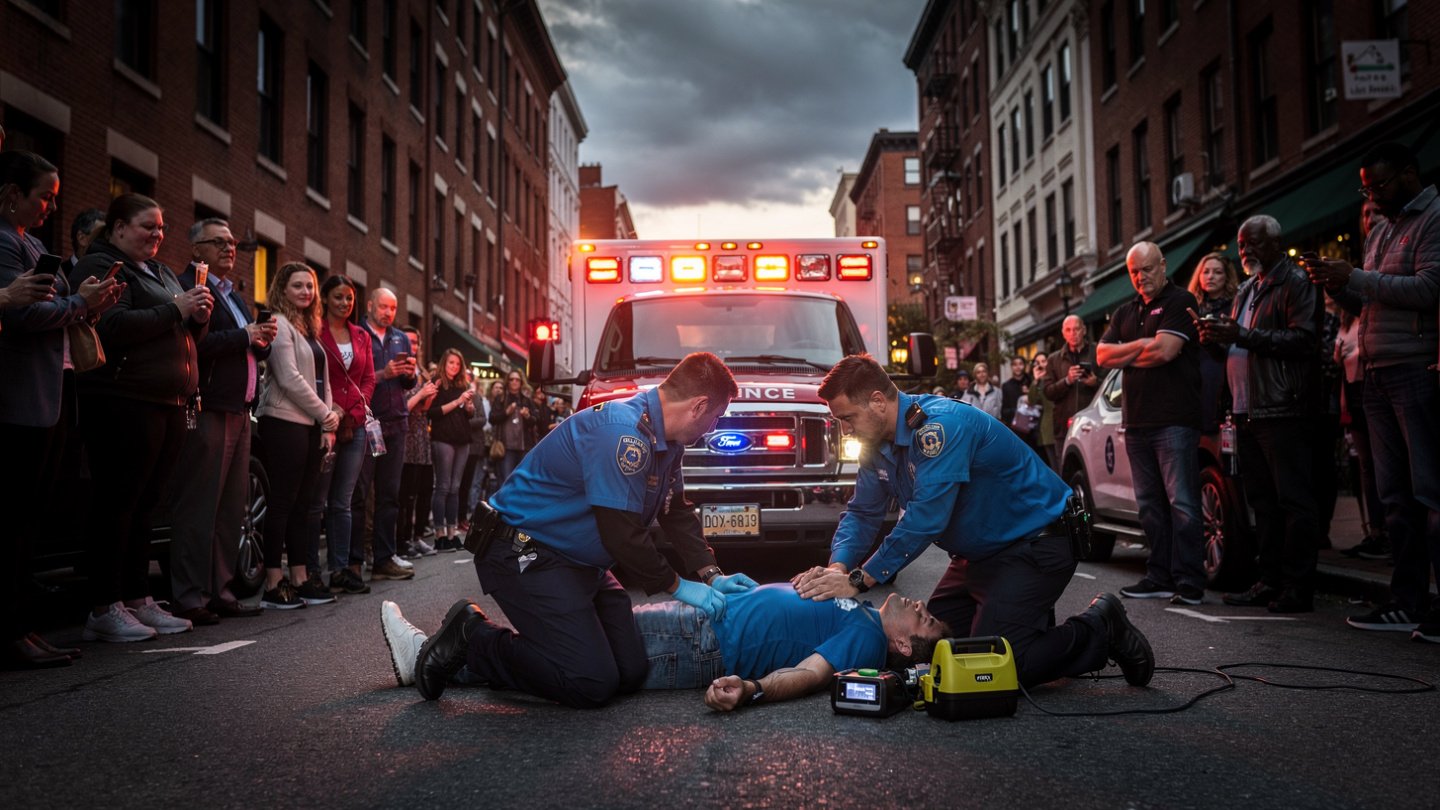
A limb loss accident is a traumatic and life-altering event that requires urgent and appropriate action. The first step after experiencing any such incident is to prioritize your health and safety by seeking immediate medical attention. Rapid intervention can prevent serious complications such as infection or shock, and timely treatment sets a crucial foundation for your path to recovery. In a vibrant city like Philadelphia, specialized facilities like the Penn Medicine University City provide comprehensive care for patients in these situations. If you or a loved one has suffered such a traumatic injury, reaching out to a qualified Philadelphia amputation injury lawyer can also help protect your interests as you recover.
Delays in seeking medical help can worsen your condition and reduce the likelihood of a successful recovery. Emergency services in Philadelphia are well-versed in treating limb-loss trauma, so call 911 or head to the nearest emergency room right away to receive appropriate treatment from skilled healthcare professionals.
Report the Incident
Reporting your accident officially is a step that cannot be overemphasized. Reporting ensures the incident is documented for your personal records and for any future legal or insurance claims. In workplace accidents, you must notify your supervisor or employer immediately so the incident is logged in accordance with workplace safety protocols. For incidents involving vehicles, machinery, or anything outside of employment, contact the Philadelphia Police Department to initiate an official report. This process not only protects your potential for compensation but also helps authorities investigate and address the root cause to prevent future accidents.
Document the Scene
If your medical condition permits, gathering and preserving evidence right after the accident can be critical for any legal or insurance procedures that follow. Use your phone or camera to photograph the location, the equipment or vehicles involved, and your injuries. Collect names and contact details for any witnesses, as their accounts can prove pivotal in verifying your version of events. Maintaining thorough documentation strengthens your case when seeking compensation or when communicating with insurers and legal representatives.
Consult with a Legal Professional
Navigating the aftermath of a limb loss accident often requires guidance beyond what friends or family can provide. Consulting a legal professional specializing in catastrophic injuries is essential to understanding your rights and options. Legal experts can help you evaluate your personal injury claim, inform you about the timeline and process for securing compensation, and clarify liability, be it due to workplace oversight, product defects, or another party’s negligence. The attorneys at Eisenberg, Rothweiler, Winkler, Eisenberg & Jeck, P.C. are experienced in these cases in Philadelphia and can guide you through your next steps.
Engage in Rehabilitation
Rehabilitation is instrumental for your physical recovery and long-term independence after limb loss. Physical therapy, occupational therapy, and specialized support services help individuals adapt to new ways of moving, working, and living. In Philadelphia, MossRehab offers custom rehabilitation programs designed for people recovering from amputations. Ongoing rehabilitation also helps patients learn to use prosthetic limbs and adapt their homes and routines to improve accessibility.
Seek Emotional Support
The psychological effects of limb loss are significant and can impact mental health, self-esteem, and relationships. Support from mental health professionals, peer support groups, family, and community organizations is vital. The Amputee Coalition is a leading resource, connecting amputees to counseling, educational materials, and a supportive network that can make the emotional adjustment smoother.
Explore Prosthetic Options
Technology has dramatically improved the quality of prosthetic limbs available to those with limb loss. From basic functional devices to advanced, bionic prosthetics, a consultation with a specialized clinic can help you choose an option that best fits your lifestyle and recovery goals. The Hanger Clinic in Philadelphia provides a wide array of prosthetic solutions along with training and ongoing support to help you adapt confidently.


Stay Informed About Your Rights
Understanding your rights regarding insurance, workers’ compensation, and disability benefits can be challenging. Insurance claims, including coverage for advanced prosthetics or rehabilitation, are sometimes wrongfully denied. Advocacy and self-education are vital. The story of a Philadelphia college student struggling to secure coverage for a prosthetic foot before graduation, as covered by NBC Philadelphia, highlights the importance of staying informed and persistent.
For more guidance on injury-related legal protections, the Nolo Legal Encyclopedia provides up-to-date information on the rights of amputees and disability accommodations.
Conclusion
A limb loss accident can upend your life in unexpected ways, but with the proper steps, it is possible to rebuild and adapt. Prioritize your health, document every detail, seek professional legal and medical help, and reach for both physical and emotional support. Stay proactive and informed to ensure you receive the treatment, compensation, and opportunities you deserve on the journey to recovery.