When Dogs Clash in Public: A Guide to Safety, Evidence, and Recovery
Dog attacks can cause serious injuries and legal concerns. Understand owner liability, negligence, documentation, and key steps after a dog-on-dog attack.
Key Takeaways
- Protect people first and avoid putting your hands between fighting dogs.
- Have a veterinarian assess injuries, even if wounds initially appear minor.
- Collect owner, witness, vaccination, photo, and report information.
- Save every invoice, message, receipt, and treatment record.
- Responsibility depends on local laws and the specific facts of the incident.
- Use leashes, distance, and active supervision to help prevent future conflicts.
A dog fight can turn an ordinary walk, trail visit, or trip to the park into a frightening emergency. When a dog was attacked by another dog, fast action can protect people, limit further harm, and preserve the details needed for veterinary, insurance, or legal follow-up. Boesen Law, a Colorado personal injury firm serving Denver, Aurora, Colorado Springs, and surrounding communities, explains how owner responsibility, documentation, and negligence issues may affect dog-on-dog attack claims.
The priorities are straightforward: get everyone to safety, secure the dogs separately, obtain appropriate care, and create a clear record of what happened. Staying calm does not mean minimizing the event. Small wounds and missing information can create larger problems later.
Why Public Dog Incidents Happen
Dogs may react to fear, pain, crowding, guarding food or toys, sudden movement, or feeling trapped. Any dog can have a bad interaction, including one without a known history of aggression. Higher-risk situations include busy dog parks, narrow trails, gates, water bowls, sidewalks, and off-leash areas where owners are distracted.
Watch body language before a growl or bite occurs. A stiff posture, hard stare, tucked tail, raised hackles, freezing, or repeated attempts to move away can signal that a dog needs space. For example, a calm greeting can escalate when one dog is pinned near a gate, and another blocks its exit.
When an incident results in serious injuries, disputed facts, or an insurance dispute, a dog bite lawyer can help explain how local rules and available evidence may affect a claim.
What to Do in the First Few Minutes
Protect People First
Move children and bystanders away. Do not reach between the dogs, grab collars, pull a dog’s head, or place your face close to the conflict. If possible, use distance and a barrier such as a jacket, trash-can lid, board, or other object to interrupt access safely. Anyone bitten, knocked down, or exposed to blood should seek prompt medical guidance.
Separate the Dogs Safely
- Ask the other owner for help in a calm, direct voice.
- Create space as soon as the dogs break apart.
- Secure each dog separately before checking wounds.
- Do not bring the dogs together again for photos or discussion.
When to Seek Veterinary Care
Punctures can look small while concealing damage beneath the skin. Call a veterinarian or emergency animal hospital without delay for heavy bleeding, limping, swelling, weakness, pale gums, breathing trouble, obvious pain, or unusual behavior. Request a written diagnosis, treatment plan, and itemized invoice. Follow-up may include medication, wound checks, rehabilitation, or behavioral support after a traumatic event.


How and When to Report the Incident
Animal control, park staff, police, and public-health agencies may have different roles. Report a loose, aggressive, injured, unknown, or potentially unvaccinated dog, especially when a person was bitten. The CDC’s guidance for staying safe around dogs reinforces the importance of supervision and seeking appropriate medical care after a bite. Ask for the report number, agency name, and available vaccination information.
Evidence That Can Help Later
Document the event while details are fresh and only after immediate safety needs are addressed. Photograph injuries, the dogs, the scene, signs, gates, broken leashes, and relevant conditions. Write down the date, time, location, weather, sequence of events, and exact statements made by the other owner. Obtain witness names and phone numbers, and ask whether nearby security, doorbell, or park cameras may have recorded the incident.
Keep a Complete File
- Veterinary records, prescriptions, and invoices
- Animal-control or police reports
- Photos, videos, and witness statements
- Texts, emails, payment offers, and insurance correspondence
- Transportation, boarding, rehabilitation, and care-related receipts
Common Costs After a Dog Attack
Recovery can involve more than the first emergency bill. Costs may include examinations, imaging, surgery, medication, overnight monitoring, rehabilitation, special supplies, transportation, behavioral treatment, and time away from work to provide care. In a fatal case, families may also face burial or cremation expenses. Keep records of every loss, but avoid assuming compensation is guaranteed or that any particular amount applies.
Responsibility and Legal Questions
Does the Other Owner Always Pay?
Not necessarily. Responsibility can depend on leash requirements, property boundaries, prior aggressive behavior, the dog’s control, witness accounts, and local ordinances. In Colorado, dog-on-dog cases may involve questions of negligence rather than the rules that apply to injuries suffered by people.
When Should Someone Seek Legal Guidance?
Consider speaking with a lawyer when injuries are severe or ongoing, the other owner leaves or denies responsibility, a person was hurt while intervening, the dog dies, or an insurer disputes the claim. Do not sign a broad release before the full treatment needs and costs are known. Legal deadlines vary by state.
Reducing the Risk of Another Incident
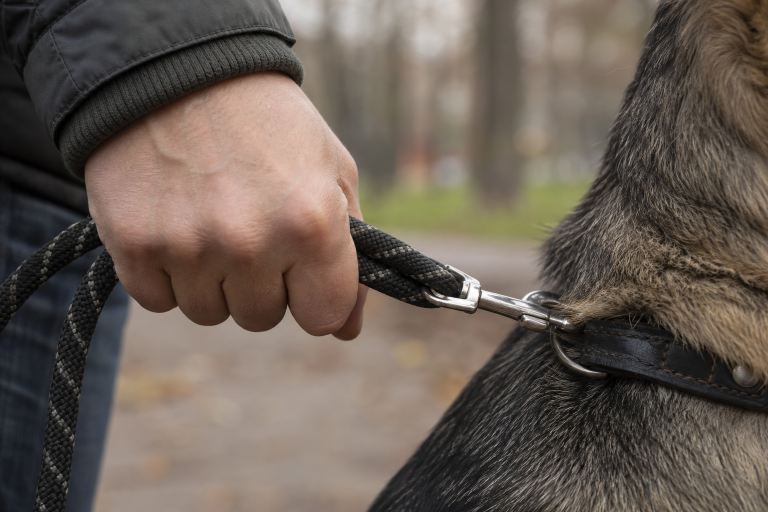
- Use a secure leash where required and maintain a safe grip.
- Give unfamiliar dogs room, particularly on narrow paths or near entrances.
- Skip greetings when either dog looks tense, overwhelmed, tired, or stiff.
- Keep treats, food, and high-value toys out of crowded group settings.
- Leave early when another owner ignores safety signals or leash rules.
- Keep identification tags and rabies vaccinations current.
Common Questions From Pet Owners
Should the Dogs Meet Again?
Immediate separation is usually the safest option. Ask a veterinarian or qualified behavior professional before considering any future contact.
What If the Other Owner Leaves?
From a safe distance, photograph the dog and the direction of travel, ask witnesses for help, and contact local authorities. Do not chase or confront the person.
How Long Should Records Be Saved?
Keep records until treatment ends, bills are resolved, and any insurance or legal matter is fully concluded.
Conclusion
A quick, calm response can reduce harm and preserve critical information. Separate the dogs safely, seek veterinary care, report the event when appropriate, and begin saving records immediately.