The Far-Reaching Impacts of Drunk Driving Accidents on Communities
The effects of drunk driving ripple beyond individual incidents, influencing the health, safety, and financial stability of entire communities.
Key Takeaways:
- Drunk driving accidents result in significant physical, emotional, and financial burdens on communities.
- Preventative measures and community engagement are crucial in reducing the incidence of these accidents.
- Support systems for victims and their families play a vital role in recovery and resilience.
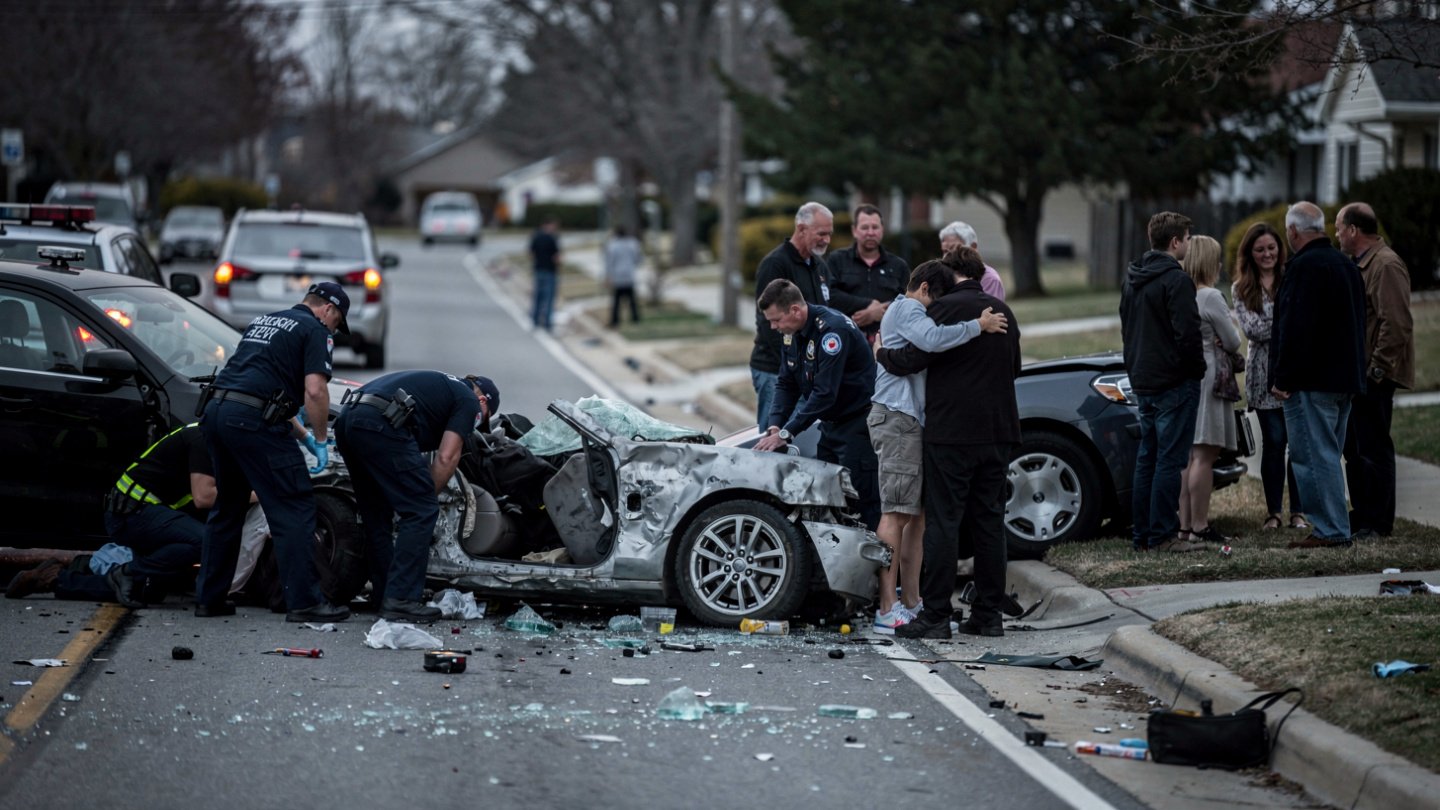
The far-reaching impacts of drunk driving accidents extend well beyond the immediate collision, affecting families, neighborhoods, and entire communities. These incidents often result in severe physical injuries, emotional trauma, and long-term financial burdens that can reshape lives in an instant. Beyond the individuals directly involved, communities also feel the strain through increased healthcare costs, reduced public safety, and a lasting sense of vulnerability on local roads. The ripple effects can undermine trust and underscore the urgent need for greater awareness and prevention efforts.
Pursuing accountability after such incidents often involves navigating complex legal and insurance processes, which can be overwhelming for those affected. In many cases, individuals seek guidance from professionals, such as a Memphis, TN drunk driving accident lawyer, to better understand their rights and available options. Legal support can help clarify responsibilities, ensure fair compensation, and contribute to broader efforts to reinforce safer driving behaviors across communities.
Economic Impact on Communities
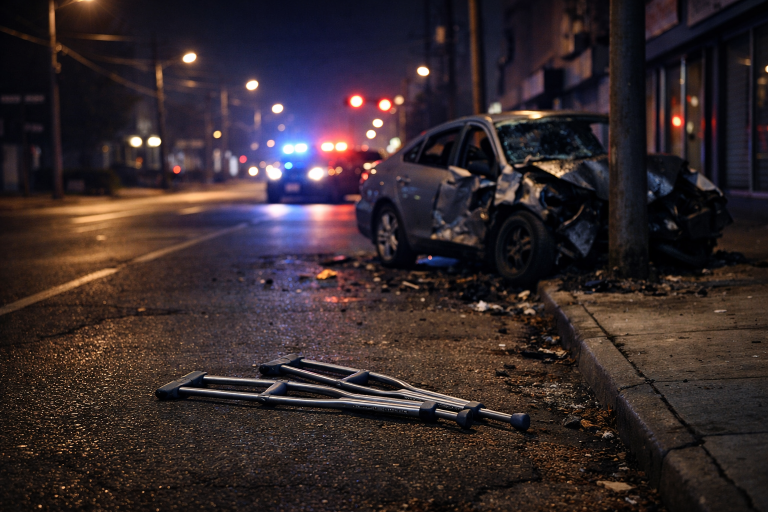
The economic fallout from drunk driving accidents extends far beyond immediate families. Communities absorb the costs of emergency response, higher insurance premiums, medical expenses, property damage, and legal proceedings. Drunk driving incidents cost more than $44 billion annually in the United States alone. These resources are diverted from crucial civic functions, such as infrastructure improvements and public health programs, undermining the overall quality of life for local residents.
Lost workplace productivity and livelihoods also ripple across the community as injured parties miss work or face permanent disability. Business owners, coworkers, and educators all share the downstream impact, highlighting how interconnected our communities are.
Legal and Social Consequences
Individuals found guilty of drunk driving face serious legal consequences designed to act as deterrents for themselves and others. Penalties commonly include heavy fines, mandatory license suspension, probation, and jail time. In addition to formal legal repercussions, convicted individuals may face social penalties. Stigma, embarrassment, and damaged relationships can hamper rehabilitation and complicate the process of reintegrating into society.
These outcomes underscore the gravity of impaired driving offenses and reinforce why preventative and rehabilitative efforts must be robust. For many offenders, regaining trust and restoring their social standing requires accountability and active engagement with community programs.
Preventative Measures and Community Initiatives
Communities have adopted numerous strategies to address the dangers of drunk driving. High-visibility public awareness initiatives such as the NHTSA’s “Buzzed Driving Is Drunk Driving” campaign have been effective in communicating the risks associated with impaired driving. Law enforcement agencies enhance these efforts by conducting sobriety checkpoints and boosting patrols, especially around holidays when alcohol-related crashes tend to increase.


Promoting alternative transport options is another critical component. Ride-sharing services, designated driver programs, and reliable public transit help provide safer choices for those tempted to drive while impaired. Education programs targeting drivers of all ages are vital in shaping responsible behavior from the outset. By learning from cities that have adopted comprehensive approaches, communities can better respond to the ongoing threat of drunk driving accidents.
Support Systems for Victims and Families
In the wake of tragedy, robust support systems are crucial for the healing and resilience of victims and their families. Local organizations, national nonprofits, and peer-led groups provide emotional support through counseling, group sessions, and crisis intervention services. Additionally, financial assistance programs can offset the steep costs of medical care and lost income. Many communities invest in ongoing outreach to ensure victims are aware of the resources available to them, while nonprofit groups play a central role in connecting families to legal and social support.
Over time, these services can help families regain their footing, empowering survivors to become advocates for change or sources of encouragement for others walking similar paths.
Real-Life Impact: A Case Study
One particularly tragic incident in Houston involved a woman who, driving under the influence, crashed into a METRO bus stop and killed a pedestrian. The aftermath of this event extended beyond the immediate loss of life. It affected witnesses, first responders, and the broader community, who collectively mourned and demanded change. Such examples bring home the irreplaceable human cost and the urgent need for persistent prevention efforts within every neighborhood.
Conclusion
The effects of drunk driving ripple beyond individual incidents, influencing the health, safety, and financial stability of entire communities. Comprehensive strategies that integrate education, law enforcement, and support for victims are the best defense against these preventable disasters. By strengthening support systems and fostering responsible attitudes toward alcohol use, communities can aspire to reduce these tragedies, save lives, and build a more resilient future for all.