How Local Motorcycle Shops Are Building Community Beyond the Showroom
Houston motorcycle shops build loyal communities through friendly service, rider meetups, shared interests, and a welcoming atmosphere that keeps customers coming back.
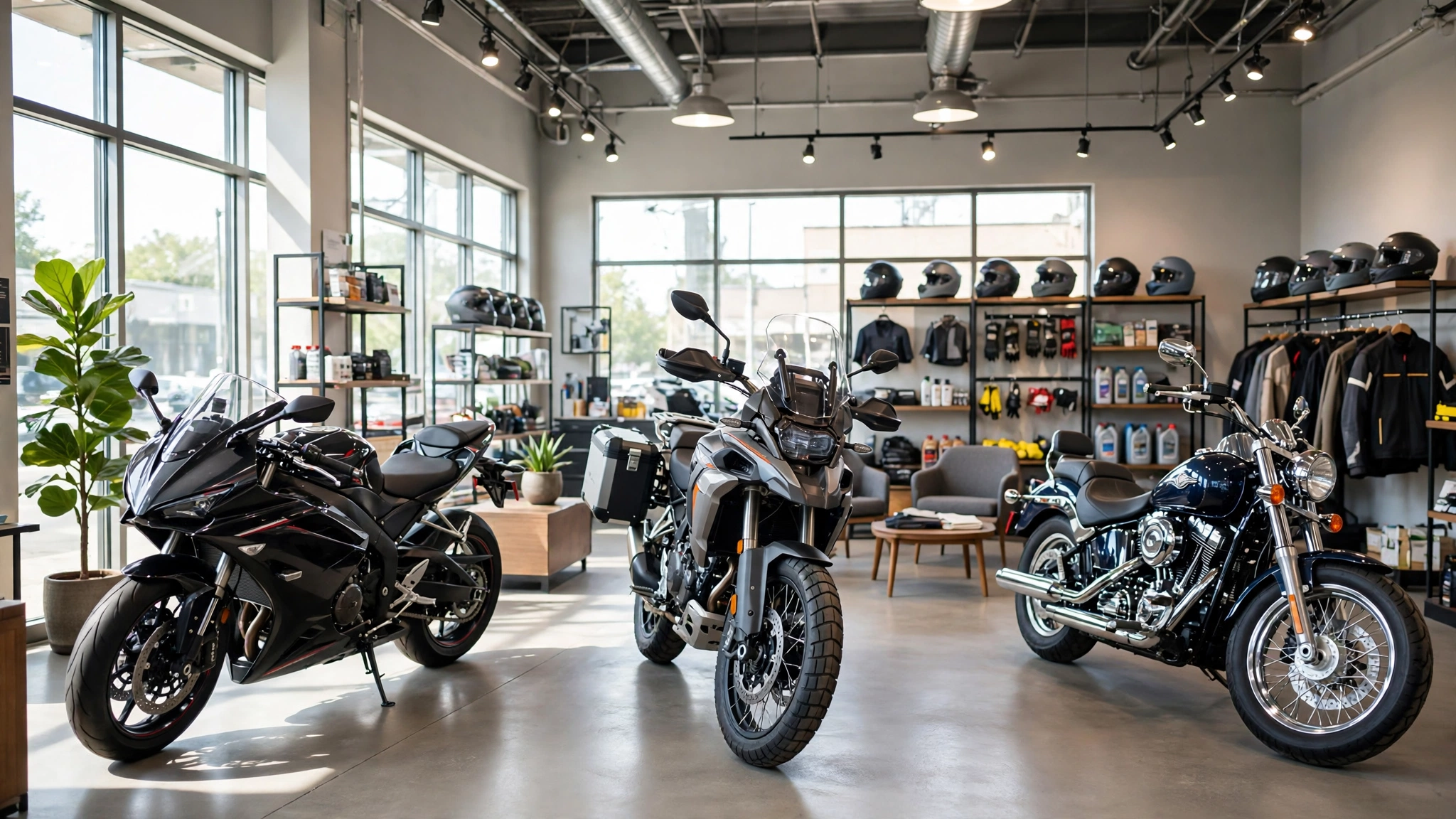
Walk into a good motorcycle shop on a Saturday morning and you might not see a single sale. What you will see is a small crowd around the coffee pot, arguing about tire pressure, trading route ideas, and admiring someone’s freshly rebuilt carburetor. Nobody is in a hurry.
That scene plays out across Houston, and it says a lot about where local motorcycle businesses are heading. The showroom still matters. But the shops people recommend to friends and return to for years tend to feel more like a clubhouse than a store.
Here is how Houston shops build that sense of belonging, why it works, and what other small businesses can borrow from the approach.
Why a Motorcycle Shop Is More Than a Store
Riding looks like a solo activity. One person, one bike, an open road. But most riders will tell you the people are what keep them in the hobby. Someone taught them to shift smoothly, recommended their first set of gear, or waited on the shoulder when a chain snapped.
A shop sits at the center of that experience. It is where new riders ask beginner questions without feeling silly and where veterans compare notes on the latest models. When a shop leans into that role, the building becomes a meeting place, and the sales floor becomes just one part of it.
Trust Is the Real Product
A motorcycle is not a toaster. Riders depend on it for their safety, so they care a great deal about who touches it. A mechanic who explains what went wrong, shows the worn part, and skips unnecessary repairs earns loyalty that no advertisement can buy.
Community events speed this up. A rider who has chatted with the service manager at a bike night is far more likely to bring the bike in when something feels off.
A Natural Reason to Come Back
Most cars can go months without a visit to a dealership. Motorcycles are different. Riders change tires, upgrade parts, buy seasonal gear, and tinker constantly. That steady rhythm gives shops many chances to welcome people back, and community programming turns those visits into something people look forward to.
Group Rides That Start at the Front Door
The simplest community builder is also the oldest: a ride that leaves from the shop parking lot. Many Houston shops host weekly or monthly rides, often ending at a barbecue joint, a coastal stop in Galveston, or a scenic loop out toward the Hill Country.


The best rides welcome everyone. A no-drop policy, where the group waits for slower riders, makes newcomers feel safe. Pairing a beginner with a seasoned rider gives them a friendly guide and gives the veteran a reason to feel useful.
Themed rides work well too. Charity runs for local causes, toy drives around the holidays, and memorial rides for community members give riders a shared purpose. People remember those days long after they forget the route.
A few habits keep group rides running smoothly:
- Post the route, pace, and start time in advance
- Hold a short safety briefing before leaving
- Assign experienced riders to lead and sweep
- Keep a rain plan, since Gulf Coast weather changes fast
Workshops That Turn Customers Into Skilled Riders
Teaching may be the most underrated way to build community. A two-hour Saturday clinic on basic maintenance costs a shop little, yet it sends people home more confident and more connected to the staff.
Popular topics include checking oil and tire pressure, cleaning and lubricating a chain, and choosing gear that holds up in Houston’s heat and humidity. Some shops run seasonal sessions on getting a bike ready for storm season or for long summer trips.
Mechanics often make excellent teachers. They know the machines better than anyone, and riders enjoy seeing the person behind the service counter in a different light. Sessions also spark friendships. Two people who meet over a chain lube demonstration might end up riding together for years.
Bike Nights, Meetups, and Shared Spaces
Some shops now treat their space like a neighborhood venue. Bike nights bring in food trucks, live music, and local vendors. Coffee mornings give early risers a place to gather before the day gets busy. A few shops keep a lounge or patio open so riders can hang out even when they are not buying anything.
That last part matters. When people can show up without being sold to, they show up more often. Over time, the pressure drops, the conversations get better, and purchases happen on their own.
Partnerships help too. Shops that invite local artists, custom builders, or nearby restaurants to take part spread the attention around. Each gathering feels more like a community celebration than a promotion.
The Extended Local Riding Network
Around every shop sits a wider circle of people and businesses that riders rely on. There are custom fabricators, gear retailers, tire specialists, detailers, insurance agents, and food spots that riders love to visit. There are also professionals who help when things go wrong, such as a Houston Motorcycle Accident Lawyer who understands what riders face on Houston roads.
Shops that stay connected to this network can point riders in the right direction, from a hard-to-find part to what to do after a crash. Riders appreciate the guidance. Local businesses appreciate the referrals. And the whole community becomes a little easier to navigate.
This kind of network builds slowly, through repeat introductions and shared events. A shop that hosts a safety night and invites local professionals to speak gives riders useful information. It also turns those professionals into familiar faces rather than names on a billboard.
Safety Culture as Community Glue
Riders look out for each other, and the best shops encourage that instinct. Safety nights, gear swaps, and defensive riding talks are common ways to do it.
Houston riders deal with heavy traffic, wide multi-lane roads, sudden downpours, and drivers who do not always watch for motorcycles. Those conditions make shared knowledge valuable. A veteran explaining how to handle wet pavement or position a bike at a busy intersection can change how a new rider approaches every trip.
Some shops also run helmet checks, reflective gear giveaways, and post-ride debriefs. None of it feels like a lecture when it comes from friends. Riders listen closely to people they trust, and community is what builds that trust.
Keeping the Conversation Going Online
Community does not stop when the lights go off. Many shops keep it alive through group chats, social media pages, and email newsletters. Photos from the last ride, a shoutout to a rider who finished a first long trip, or a quick tutorial video keep people engaged between events.
Riders enjoy seeing themselves and their friends featured, and it reinforces the feeling of belonging. It also helps newcomers see what the shop is like before they walk through the door, which makes that first visit less intimidating.
Tone matters here. Posts that sound like a friend sharing news work better than ones that read like ads. Share a story, ask a question, invite people to a ride, and let the sales messages take a back seat.
Lessons for Other Small Businesses
You do not need to sell motorcycles to borrow these ideas. Any local business can build a following by giving people a reason to gather. The approach looks similar across industries:
- Offer something useful without asking for a purchase, such as a class, a meetup, or open shop hours
- Teach what you know, since expertise shared freely builds respect
- Partner with neighbors so events draw from several circles instead of one
- Keep a steady schedule, because people join what they can count on
- Ask for feedback and act on it, which shows customers they have a say
A hair salon can host a styling workshop. A bookstore can run a reading circle. A bike shop can host a Saturday ride. The format changes, but the principle stays the same.
How a Shop Can Get Started
Building community does not require a big budget or a full calendar. Most shops begin small and grow from what works.
Start with one recurring event, such as a monthly ride or a coffee morning, and run it consistently for a few months. Announce it through email, social media, and a sign at the counter. Then watch who shows up and ask what they would like to see next.
Bring the staff into the process. Mechanics, sales associates, and service advisors all have different strengths, and each can lead something. A mechanic might run the maintenance clinic while a sales associate organizes the group ride.
Finally, be patient. A community rarely appears after one event. It forms as people see the same faces, share small moments, and start to feel like they belong.
Conclusion
Houston motorcycle shops that build community beyond the showroom are doing something simple but effective. They give riders places to learn, gather, and look out for one another, and they do it consistently.
The takeaways are easy to apply. Host a recurring ride or meetup. Teach something useful. Keep your space open to people who are not buying. Build ties with the wider network of local businesses that riders and neighbors depend on. Do these things well, and the showroom takes care of itself.