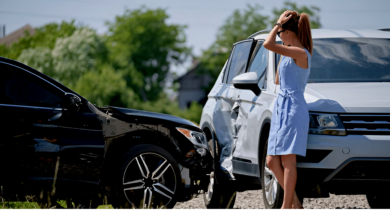
Understanding and Preventing the Most Common Causes of Car Accidents
Car accident causes, prevention tips, and legal guidance to improve road safety, reduce crash risks, and protect your rights after a collision.
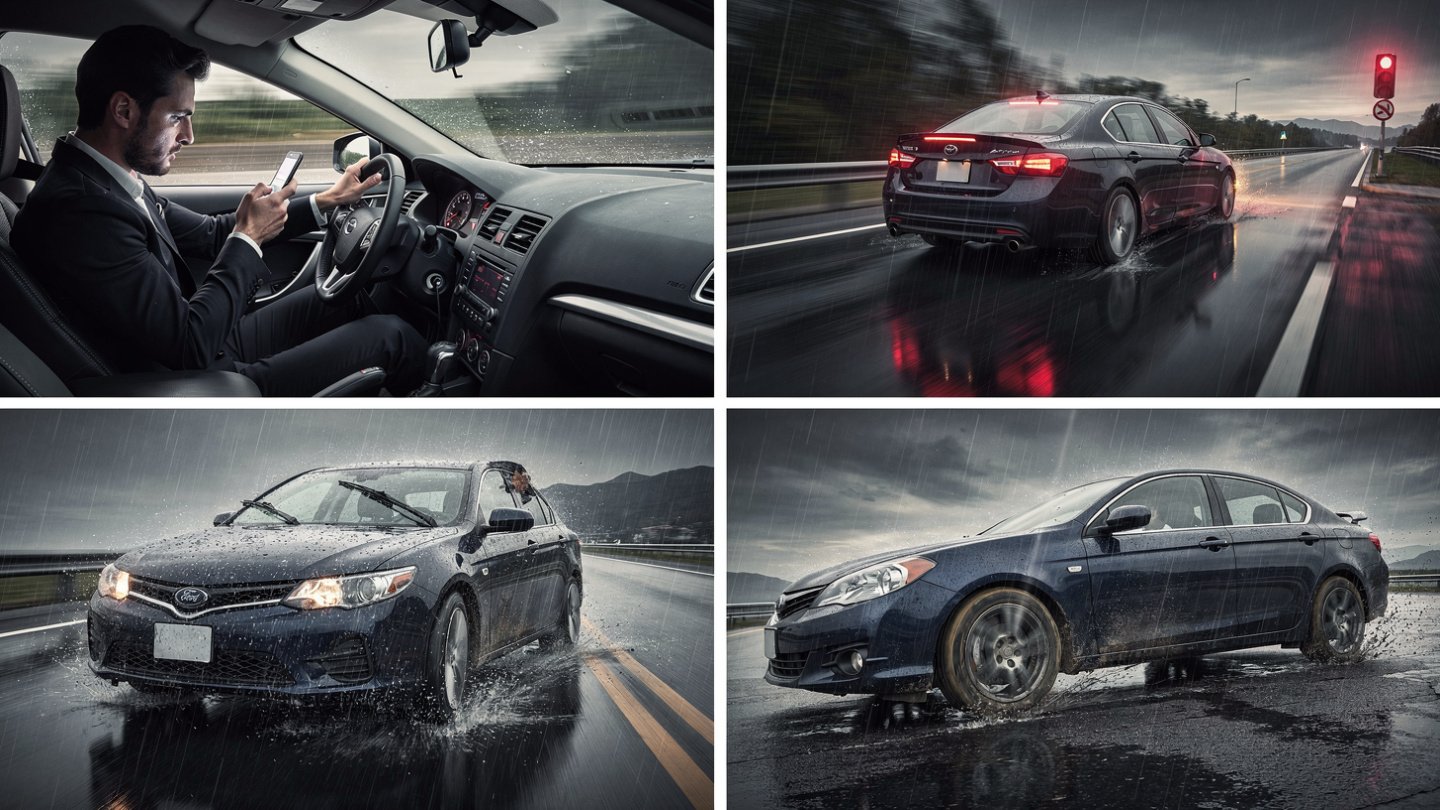
Key Takeaways
- Distracted driving is a leading cause of accidents; minimizing distractions is crucial.
- Speeding reduces reaction time and increases the severity of accidents.
- Impaired driving, due to alcohol or drugs, significantly elevates crash risks.
- Advanced Driver Assistance Systems (ADAS) can prevent numerous accidents.
Car accidents remain a significant concern, with millions occurring annually, resulting in injuries and fatalities on roads worldwide. Given how easily lives can change in the aftermath of a collision, identifying and addressing the leading causes of car accidents is crucial for road safety. For anyone involved in a car or bicycle accident, getting professional legal help, such as from a bicycle accident attorney in Los Angeles, CA, may be necessary to navigate recovery and claims processes.
The increasing frequency of car accidents has prompted efforts by individuals, government agencies, and the automotive industry to enhance safety awareness and prevent crashes. Simple behavioral changes can significantly reduce accident rates. Data from the NHTSA and Federal Highway Administration reveal key factors behind accidents, informing policy and empowering drivers to make safer decisions. The document outlines common causes of car accidents and practical prevention strategies to improve road safety for all.
Distracted Driving
Distracted driving remains the leading cause of auto collisions. Everyday actions such as texting, talking on the phone, eating, or adjusting the radio can divert a driver’s attention from the road. According to the National Highway Traffic Safety Administration (NHTSA), distracted driving caused the deaths of 3,208 people in 2024 alone. The proliferation of smartphones has made this issue even more critical in recent years. To fight this dangerous trend, drivers should put away their devices, avoid eating while driving, and keep distractions to a minimum whenever operating a vehicle.
Speeding
Speed limits exist for a reason: exceeding them not only increases the risk of crashing but also increases the likelihood of severe injury. Speeding reduces the time drivers have to react to unexpected hazards, such as another vehicle suddenly stopping ahead. Data published by the NHTSA indicate that speeding contributed to 29% of all traffic fatalities in 2020. Drivers should strictly adhere to posted speed limits and adjust their speed based on environmental conditions, such as traffic congestion, road conditions, and weather. Lowering one’s speed when necessary can mean the difference between a near-miss and a tragedy.
Impaired Driving
Operating a vehicle while under the influence of alcohol, marijuana, or other drugs dramatically impairs decision-making ability, coordination, and reaction times. In 2020, impaired driving was responsible for 11,654 deaths, equating to nearly one-third of all fatal roadway incidents. The simplest way to prevent impaired driving accidents is to plan ahead. Utilize designated drivers, taxis, or rideshare services, and never get behind the wheel after consuming any impairing substance. Local communities and law enforcement partner with advocacy groups, such as Mothers Against Drunk Driving, to raise awareness and provide support for crash victims and their families.
Driver Fatigue
Drowsy driving can be just as dangerous as drunk driving. According to the National Sleep Foundation, fatigue is linked to about 6,400 deaths annually on U.S. roads. Drivers who are excessively tired struggle to concentrate, experience slower reaction times, and risk falling asleep at the wheel. To reduce this risk, drivers should rest adequately before long trips, take breaks every two hours while on the road, and avoid driving during natural sleep hours. Awareness campaigns and road signs often encourage drivers to recognize fatigue and to seek a safe place to rest when needed.
Weather Conditions
Hazardous weather, such as rain, snow, sleet, or dense fog, can make safe driving much more difficult. According to the Federal Highway Administration, approximately 21% of vehicle crashes are linked to adverse weather conditions. Reduced visibility, slippery roads, and sudden changes can all contribute. In poor weather, drivers should lower their speed, increase their following distance, and activate vehicle features such as headlights and windshield wipers. Proper tire and brake maintenance is also crucial when anticipating weather challenges.
Vehicle Maintenance
Failing to maintain a vehicle increases the likelihood of mechanical failure, which may lead to a crash. Issues such as worn-out brakes, underinflated tires, or faulty headlights can compromise vehicle safety. The National Highway Traffic Safety Administration emphasizes the importance of regular inspections and immediate attention to warning lights and unusual noises. Adopting a preventive approach to vehicle care, such as following manufacturer-recommended service schedules, can significantly reduce the risk of accidents.


Advanced Driver Assistance Systems
The latest vehicles are often equipped with Advanced Driver Assistance Systems (ADAS), such as automatic emergency braking, blind-spot detection, and lane-departure warnings. Studies from the AAA Foundation for Traffic Safety estimate that widespread adoption of these technologies could prevent approximately 37 million crashes, 14 million injuries, and nearly 250,000 deaths over the next 30 years. However, while ADAS offers valuable benefits, responsible drivers must remain engaged and not treat these features as a substitute for full attention on the road.
Conclusion
Understanding and mitigating the common causes of car accidents can save lives and prevent life-altering injuries. By focusing on attentive driving, obeying speed limits, never driving impaired, ensuring adequate rest, adjusting for weather, maintaining vehicle safety, and using technology wisely, every motorist can help create safer roads.